


 Iran Warns US Against Renewed Attacks as Hormuz Tensions Rise
  Denmark Expects Long-Term NATO Presence in Greenland, Arctic
  OpenAI, Anthropic CEOs Summoned to Australia AI Inquiry
  China Says U.S. Shares Responsibility for AI Governance
  Judge Blocks Trump Election Conditions on Counterterrorism Grants
  Taiwan Pushes Back on China’s World War Two Narrative After Trump-Xi Summit
  Trump to Ease U.S. Fuel-Economy Standards
  Republicans Flood Safe House Races With Cash as Midterm Risks Rise
  UK PM Burnham to Unveil Economic Vision at Labour Conference
  North Korea Tests Drone-Missile Swarm Attack Tactics
  California Bans Memecoins Issued by Public Officials Under New Law
  UK Police Arrest Five in RAF Fairford Terror Probe
  Iran Holds Firm on Hormuz Reopening Terms Despite Trump Rejection
  UK PM Burnham Signals Social Care Tax Changes, Questions Heathrow Expansion
  Iran Says Diplomacy Only Path to End U.S.-Israel Conflict
  China Cuts Tariffs on U.S. Farm Goods but Excludes Soybeans


 Add as a preferred source on Google
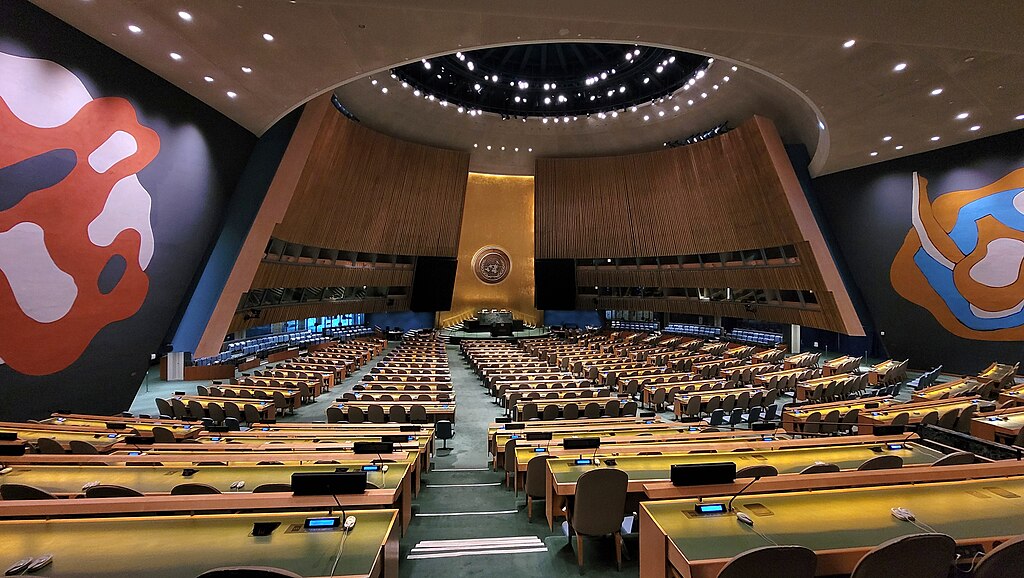
More than a dozen United Nations human rights experts have called on the U.S. government to halt its third-country migrant deportation policy, warning that the practice could expose vulnerable people to torture, persecution and other serious abuses.
The Trump administration has reached agreements with several African governments since last year to accept migrants who cannot legally be deported to their countries of origin. Some migrants transferred under these arrangements had previously received protection from U.S. judges after courts determined they could face abuse if returned home.
According to the UN experts, at least 23,000 third-country nationals have been deported to 29 countries and territories. Human rights organizations have raised concerns about conditions in some receiving nations, including Equatorial Guinea, where police reportedly drew firearms on migrants, and the Central African Republic, which is accepting Iranian deportees.
The experts warned that the consequences of the U.S. deportation policy were already materializing and could result in a series of human rights violations. They identified children, women, people with disabilities, trafficking victims, LGBT individuals, human rights defenders and stateless people among those facing particularly serious risks.
The U.S. diplomatic mission to the UN in Geneva did not immediately comment. Washington has previously maintained that its third-country deportation agreements are legal and that removals are conducted in accordance with U.S. immigration law.
The policy is also facing legal challenges in the United States. President Donald Trump asked the U.S. Supreme Court this month to allow his administration to continue the deportation program after lower courts ruled against it.
The UN experts also contacted 35 countries and territories that they said had agreements with Washington to receive deported migrants.
The experts operate under mandates established by the Geneva-based UN Human Rights Council to examine specific human rights issues and crises, but they serve independently rather than as representatives of the United Nations itself.







