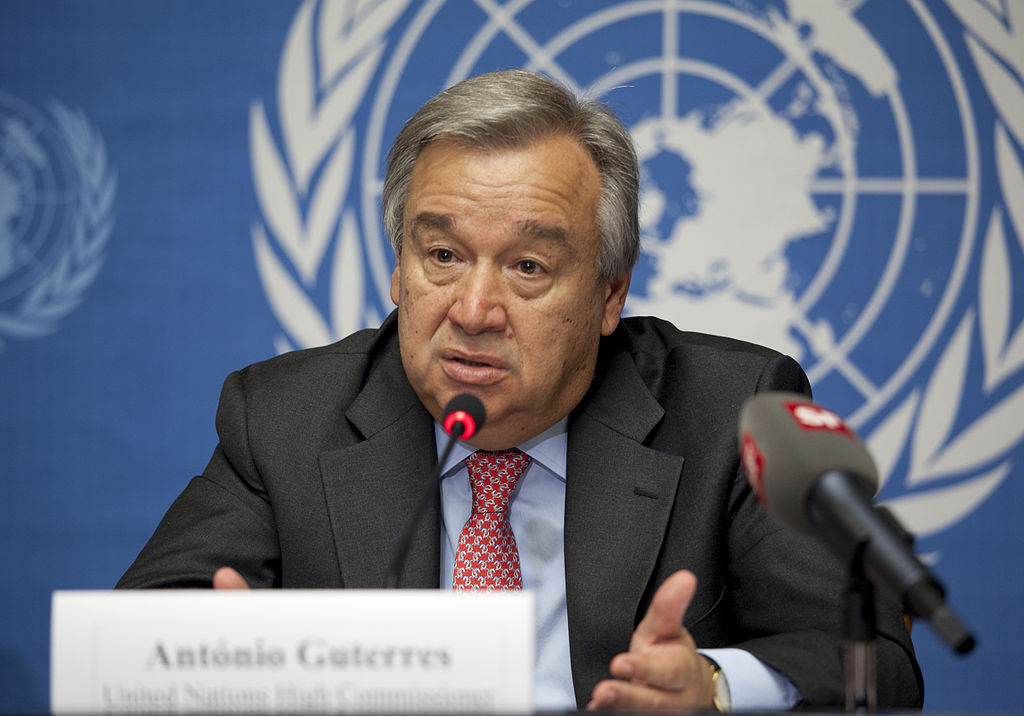
United Nations High Commissioner for Human Rights Volker Turk is facing unexpected opposition to his proposed second four-year term, with Russia and Israel challenging his reappointment ahead of a potentially divisive vote on Friday, according to diplomats cited by Reuters.
Turk, an Austrian lawyer who has spent decades serving the United Nations in Geneva and field missions including Kosovo, is set to complete his first four-year term in October. U.N. Secretary-General Antonio Guterres has nominated him for another term through October 2030, according to U.N. documents.
However, Russia has proposed a much shorter extension that would keep Turk in office only until the end of 2026. Diplomats also said Israel opposes a full four-year renewal, while the United States has reportedly expressed reservations, raising the possibility that what was expected to be a consensus decision could instead require a contentious vote.
Some diplomats argued that the appointment should be left to the next U.N. secretary-general, as Guterres will step down in December after completing his second term. Neither Russia nor Israel immediately commented on the reports, while the U.S. State Department also did not respond to requests for comment.
Turk’s office declined to discuss the reappointment process. Spokesperson Thameen Al-Kheetan said only that the High Commissioner is prepared to continue serving if reappointed.
Since taking office, Turk has emerged as a vocal advocate for human rights, frequently criticizing governments over alleged violations. He has condemned Russia over its military actions in Ukraine, citing serious breaches of international humanitarian law—claims Moscow rejects.
He has also called for investigations into deaths in U.S. immigration detention and criticized escalating hostilities involving the United States and Iran. In addition, Turk has strongly condemned Israel’s military campaign in Gaza, describing it as involving “mass killing,” while some human rights advocates have argued he should have gone further. Israel has consistently denied accusations of genocide.
Despite the opposition, diplomats said Turk retains broad support from European countries, many Latin American nations, and African states. An African Union diplomatic memo reviewed by Reuters indicated there were no objections to his proposed four-year reappointment. No alternative candidates have publicly emerged for the position.
U.N. spokesperson Stephane Dujarric said Guterres has followed established procedures throughout the nomination process and praised Turk’s performance as High Commissioner for Human Rights.