The United Nations has raised serious concerns over growing instability in Venezuela following the United States’ capture of President Nicolas Maduro, an operation that has sparked sharp debate at the U.N. Security Council and renewed questions about international law, sovereignty, and regional security.
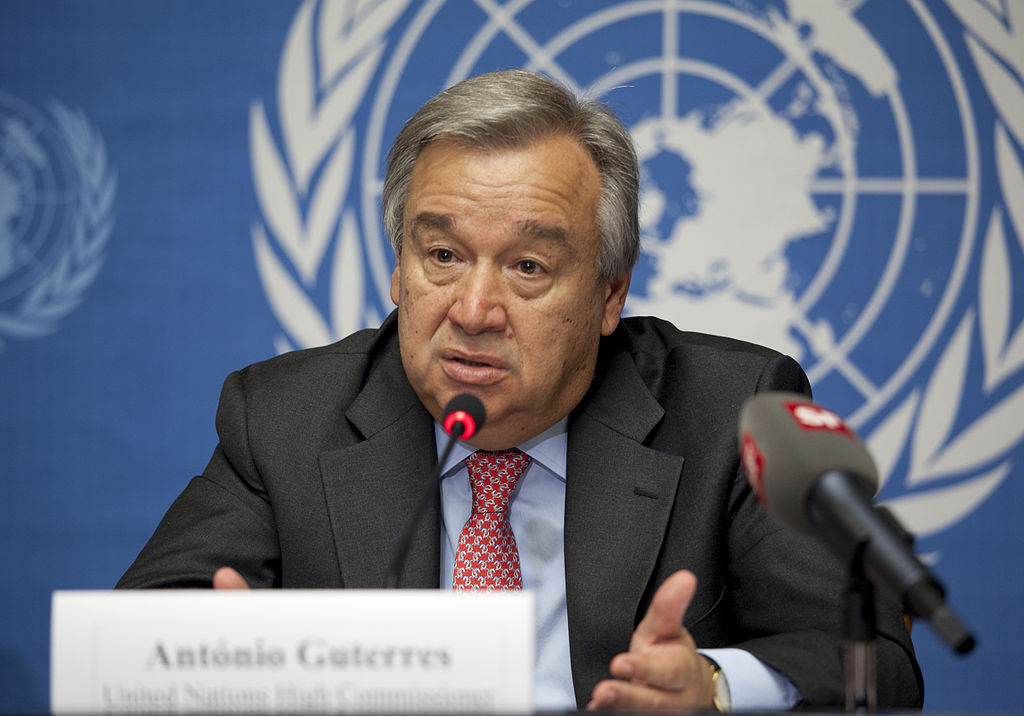
U.N. Secretary-General Antonio Guterres warned that the incident could worsen Venezuela’s political and social crisis and set a troubling precedent for relations between states. Speaking through U.N. political affairs chief Rosemary DiCarlo, Guterres said he was deeply concerned about the potential impact on the region and urged all Venezuelan actors to pursue an inclusive and democratic dialogue. He emphasized the United Nations’ readiness to support peaceful efforts that allow Venezuelans to determine their own future.
The emergency meeting of the 15-member Security Council took place just hours before Maduro was scheduled to appear in a federal court in Manhattan on charges including narco-terrorism conspiracy, allegations he has consistently denied. The United States defended its actions, with U.S. Ambassador Mike Waltz describing the capture as a “surgical law enforcement operation” targeting two indicted fugitives, referring to Maduro and his wife, Cilia Flores. Waltz stressed that Washington has no intention of occupying Venezuela and framed the operation as necessary to protect U.S. national security and prevent adversaries from exploiting the Western Hemisphere.
Venezuela’s U.N. Ambassador Samuel Moncada strongly condemned the operation, calling it an illegitimate armed attack with no legal basis. He insisted that Venezuelan institutions remain fully functional, constitutional order is intact, and the government maintains control over its territory.
Concerns over international law dominated the discussion. Guterres noted that the operation appeared to conflict with the U.N. Charter’s prohibition on the use of force against another state’s sovereignty. The United States cited Article 51 of the Charter, which allows self-defense in response to an armed attack. Russia, China, and Colombia denounced the U.S. action as illegal, while other council members urged respect for the U.N. Charter without directly criticizing Washington.
Despite calls from Venezuela, Russia, and China to release Maduro, the Security Council is unlikely to take action due to the U.S. veto power, underscoring the deep divisions surrounding the crisis and its implications for global governance.