


 Nicaragua Withdraws From Central American Parliament
  Trump Plans Diesel Tax Relief as Fuel Prices Hit Record Highs
  Trump Offers US Help to Russia After Plague Lab Worker Dies
  Takaichi Pledges to Control Japan Bond Issuance
  New York Declares Measles Disaster Emergency as Cases Surge
  ISIS Attack Near Kirkuk Kills Iraqi Policeman After US Withdrawal
  Mexico Seeks US Evidence After Border Gunfire Claim
  Japan Protests to US After Marine Arrested in Okinawa Murder Case
  Flavio Bolsonaro, Lula Head to Brazil Presidential Runoff
  Yemen Launches Major Offensive to Retake Houthi-Held Areas
  Cuba Says US Contacts Continue but Formal Talks Remain Stalled
  Ethiopia-Tigray Fighting Intensifies as Airstrikes Kill 17
  Fairshake Backs 32 Pro-Crypto House Candidates
  Iran Keeps Strait of Hormuz Closed as War Talks Stall
  Ukraine to Intensify Strikes on Russian Oil Refineries
  Paraguay Opposition Wins Key Mayor Races in Blow to Colorado Party
  California Woman Arrested Over Alleged Spying on Taiwan President’s Son


 Add as a preferred source on Google
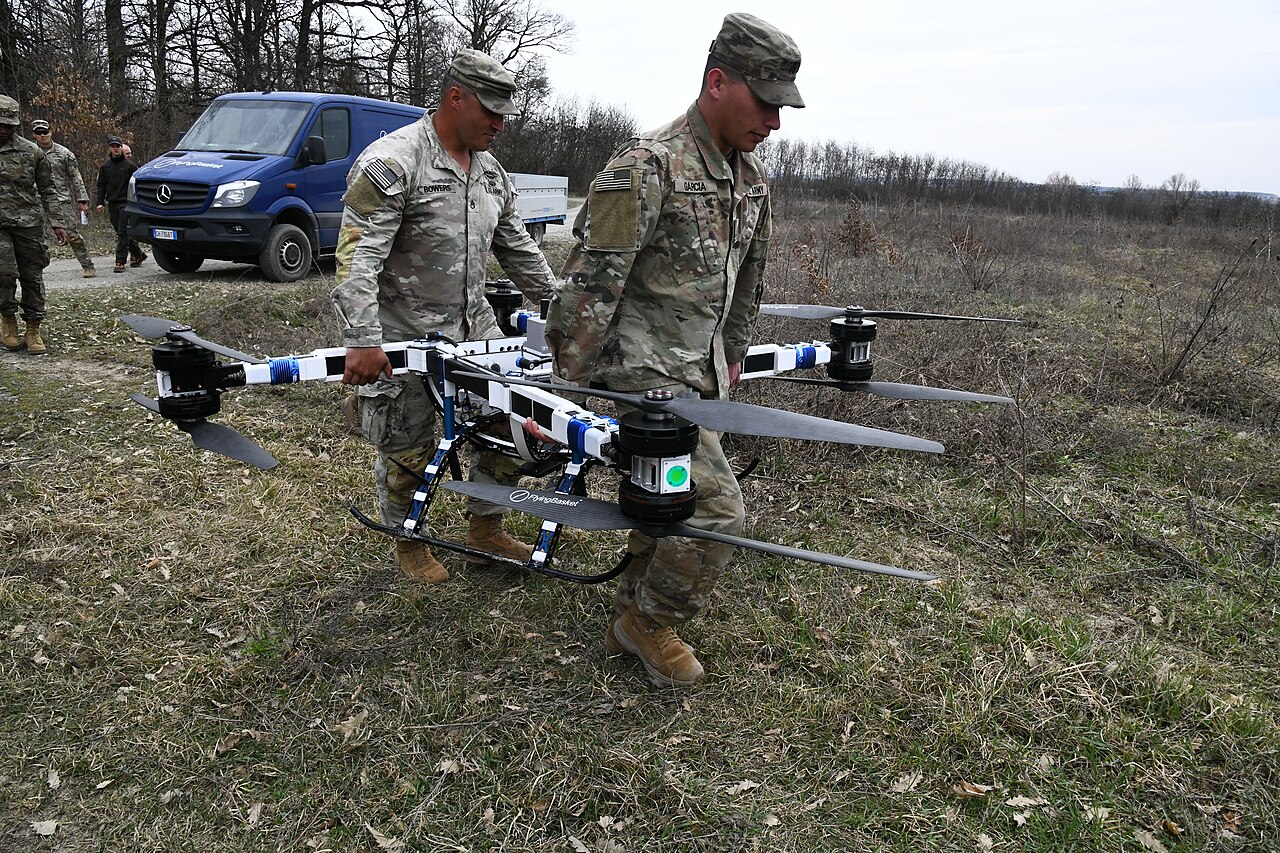
The US Army is testing advanced counter-drone technology along the US-Mexico border as it works to strengthen defenses against drones used by criminal cartels while drawing lessons from the Ukraine-Russia war.
During the Falcon Peak exercise conducted by US Northern Command in Arizona in September, soldiers evaluated technologies including radar systems, interceptor drones and autonomous weapons designed to detect, track and neutralize small unmanned aircraft.
Army officials said most drones detected crossing the southern border are commercially available models used by criminal groups for surveillance connected to smuggling and human trafficking. Brigadier General Brian Filler, deputy commander for operations at Joint Task Force Southern Border, said the military recorded 378 drone incursions over the previous 30 days, with activity continuing to rise.
Filler said the aircraft are largely off-the-shelf commercial drones equipped with cameras and are frequently spotted during cross-border movements.
The US military also said earlier this month that it had destroyed 11 cartel drones with laser systems since deploying the technology along the border in August.
While officials stressed that cartel drones are generally less sophisticated than systems deployed in Ukraine or the Middle East, the border provides a real-world testing ground for counter-drone equipment and military training.
The Pentagon is particularly interested in adopting the rapid technology development seen in Ukraine, where drones have become central to modern warfare. Russia's 2022 invasion also triggered billions of dollars in investment in defense technology companies developing drones, autonomous systems and counter-drone weapons.
Technologies demonstrated during Falcon Peak included Anduril's Ghost drone, Teledyne FLIR's radar and camera detection platform, Allen Control Systems' Bullfrog automated counter-drone gun and an interceptor drone from Powerus, which went public Thursday through a merger with a company backed by sons of President Donald Trump.
Brigadier General Matt Ross said the Army should learn from Ukraine's ability to rapidly modify battlefield technology.
Rather than simply admiring how quickly Ukrainian forces adapt on a daily or weekly basis, Ross said the US military should work to replicate that innovation process.







