To counter China's ban on Japanese seafood, the United States has initiated the purchase of Japanese seafood to supply its military stationed in the country. This unprecedented step marks a significant development in the ongoing economic tensions between the two nations.
The decision comes as a response to China's imposition of the ban following Japan's release of treated water from the Fukushima nuclear plant into the sea, as per Japan Today.
Strengthening Economic Cooperation
U.S. Ambassador to Japan, Rahm Emanuel, revealed this new initiative in a recent Reuters interview. He emphasized the importance of expanding cooperation to offset China's economic actions, which he labeled "economic wars."
By purchasing Japanese seafood, the United States aims to alleviate the impact of China's ban and strengthen economic ties with Japan.
Amidst China's claims of food safety concerns, the U.N.'s nuclear watchdog has confirmed the safety of the water release from the Fukushima plant, which began in August. In a show of international solidarity, G7 trade ministers have called for an immediate repeal of bans on Japanese food, demonstrating their confidence in the safety of Japanese seafood.
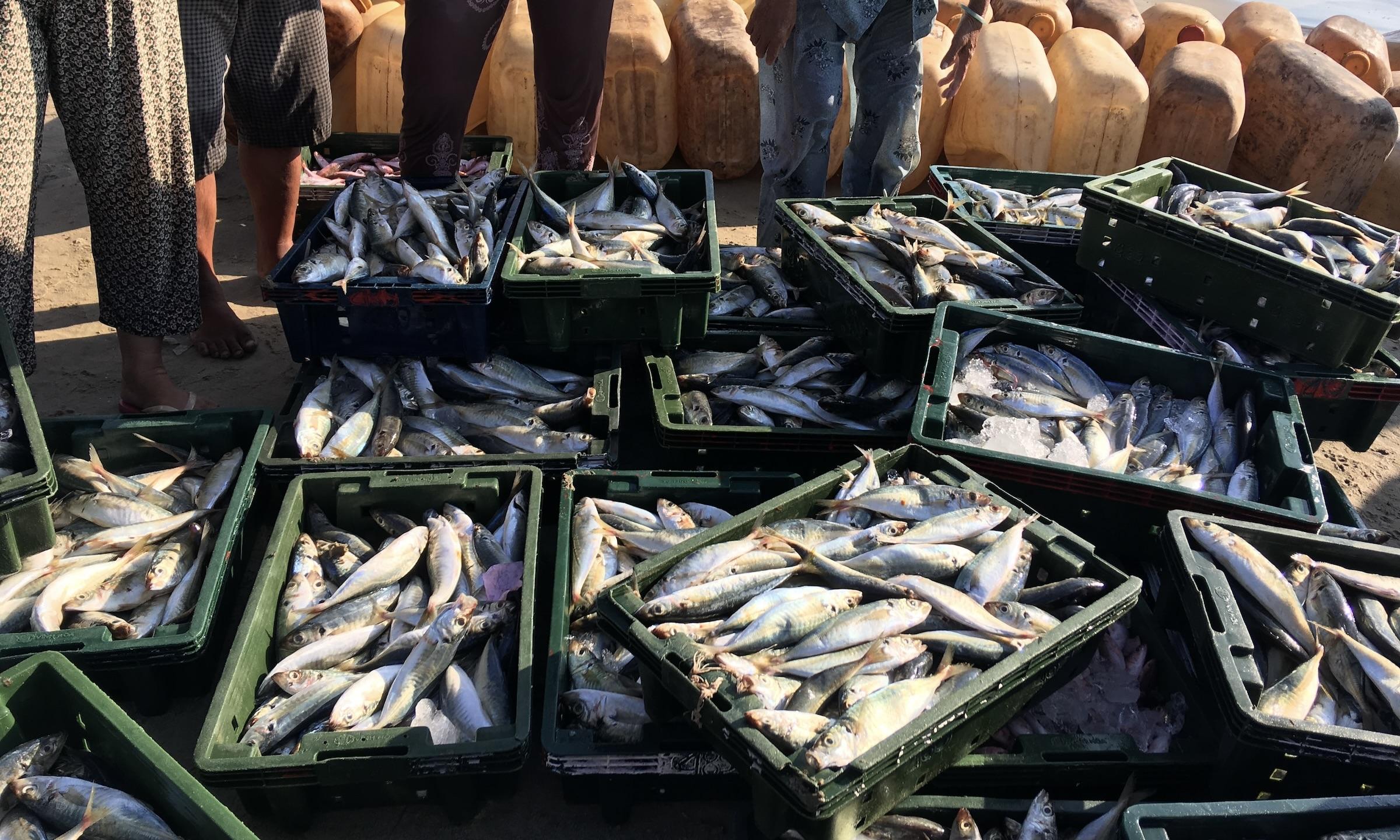
Emanuel announced that the seafood purchases would be part of a long-term contract between the U.S. armed forces and Japanese fisheries and cooperatives. The initial purchase involves a modest amount of scallops, a fraction of Japan's annual export to mainland China.
However, the U.S. plans to increase the purchases to include various types of seafood gradually. These products will not only be provided to soldiers but also sold in shops and restaurants on military bases.
Countering China's Economic Tactics
To counter China's economic coercion, Emanuel emphasized the effectiveness of assisting targeted countries or industries. The U.S. believes that supporting Japan's seafood industry is a strategic move to mitigate China's ban and protect the interests of both nations.
China's foreign ministry spokesperson, Wang Wenbin, responded to Emanuel's statements by urging diplomats to prioritize promoting friendship rather than stirring up trouble. China's reaction highlights the ongoing tensions between the two countries and the need for careful diplomatic navigation.
While the initial focus is on seafood for military consumption, Emanuel mentioned the possibility of expanding the initiative to include other imported fish from Japan and China. Additionally, discussions are underway to direct locally caught scallops to U.S.-registered processors, further enhancing economic cooperation between the two nations.
Photo: Duangphorn Wiriya/Unsplash