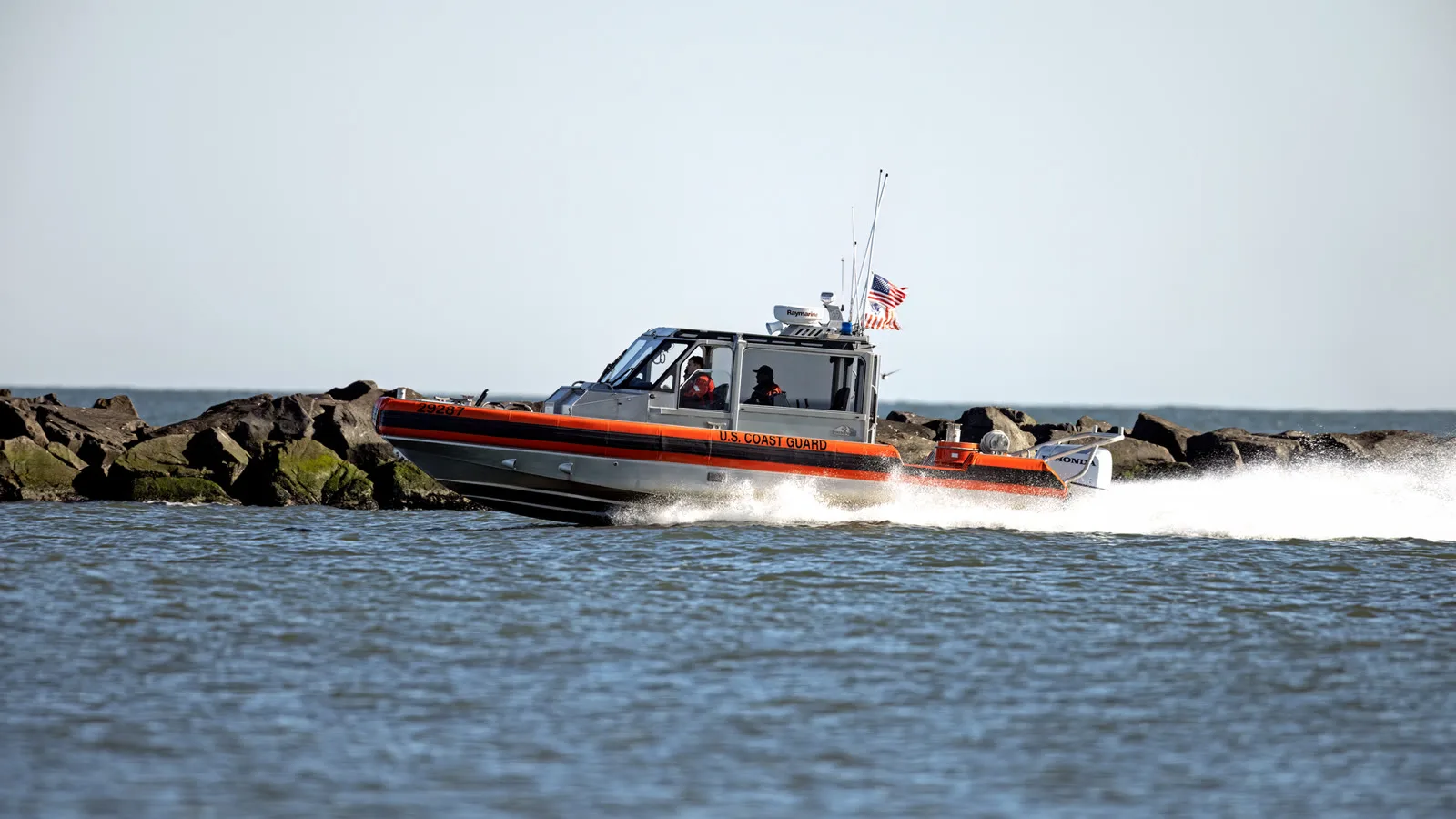
A rule effective Oct. 30 barred unauthorized entry around a tanker undergoing repairs off Pascagoula, Mississippi, after equipment failures disabled its inert gas system, the U.S. Coast Guard said.
Vessels and people need permission from the Captain of the Port, Sector Mobile, or a designated representative to enter the temporary safety zone. The restriction covers navigable waters around the M/T KALAHARI in the Gulf of America.
The Coast Guard, part of the Department of Homeland Security, published the rule in the Federal Register on Oct. 30. Both of the tanker's auxiliary boilers are out of service, leaving its inert gas system unable to operate.
The tanker will undergo repairs at anchorage. The zone addresses potential hazards to people, vessels and the marine environment associated with the vessel's condition.
A separate Coast Guard rule published Oct. 30 establishes a temporary moving safety zone around the S.S. UNITED STATES and every vessel involved in towing it. That rule takes effect Nov. 6.
The tow will pass through the Mobile River Channel, Mobile Bay and the Gulf of America. People and vessels must obtain authorization from the Captain of the Port, Sector Mobile, to enter the moving zone.
The restriction addresses hazards from towing a ship that is not operating under its own power. The zone will move with the S.S. UNITED STATES and the vessels taking part in the operation.
In fisheries, a Commerce Department rule published Oct. 30 prohibits fishing specifically for pollock in Statistical Area 630 in the Gulf of Alaska, the National Oceanic and Atmospheric Administration said.
The prohibition took effect Oct. 28, before publication. It is intended to keep the catch within the area's annual limit for 2026.
A separate rule from the same agencies transfers part of Rhode Island's commercial bluefish catch allowance to North Carolina. Published Oct. 30 and effective Oct. 29, it adjusts both states' 2026 quotas under the Atlantic Bluefish Fishery Management Plan.
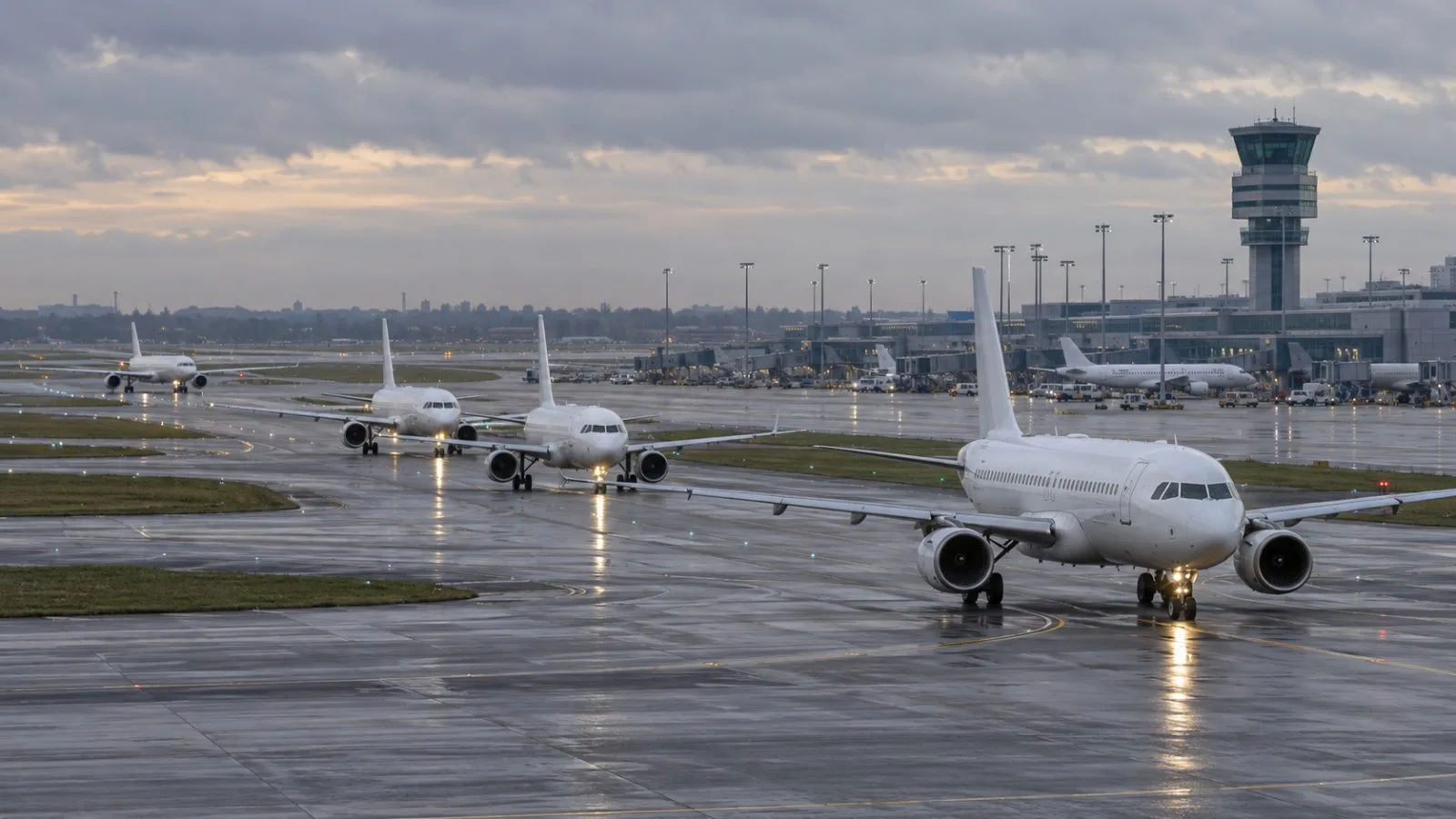
The Transportation Department's Federal Aviation Administration also published two rules on Oct. 30 changing aircraft approach, takeoff and departure procedures at certain airports. Both took effect that day.
One rule amends, suspends or removes existing procedures. The other also establishes procedures, alongside revisions, suspensions and removals.
The changes govern approaches using flight instruments, minimum conditions for takeoff and departure routes that account for obstacles. They respond to new or revised criteria and changes in the national airspace system.
Those changes include new navigation facilities, additional obstacles and different air traffic requirements. The rules aim to support safe flight operations and efficient use of airspace at the affected airports.