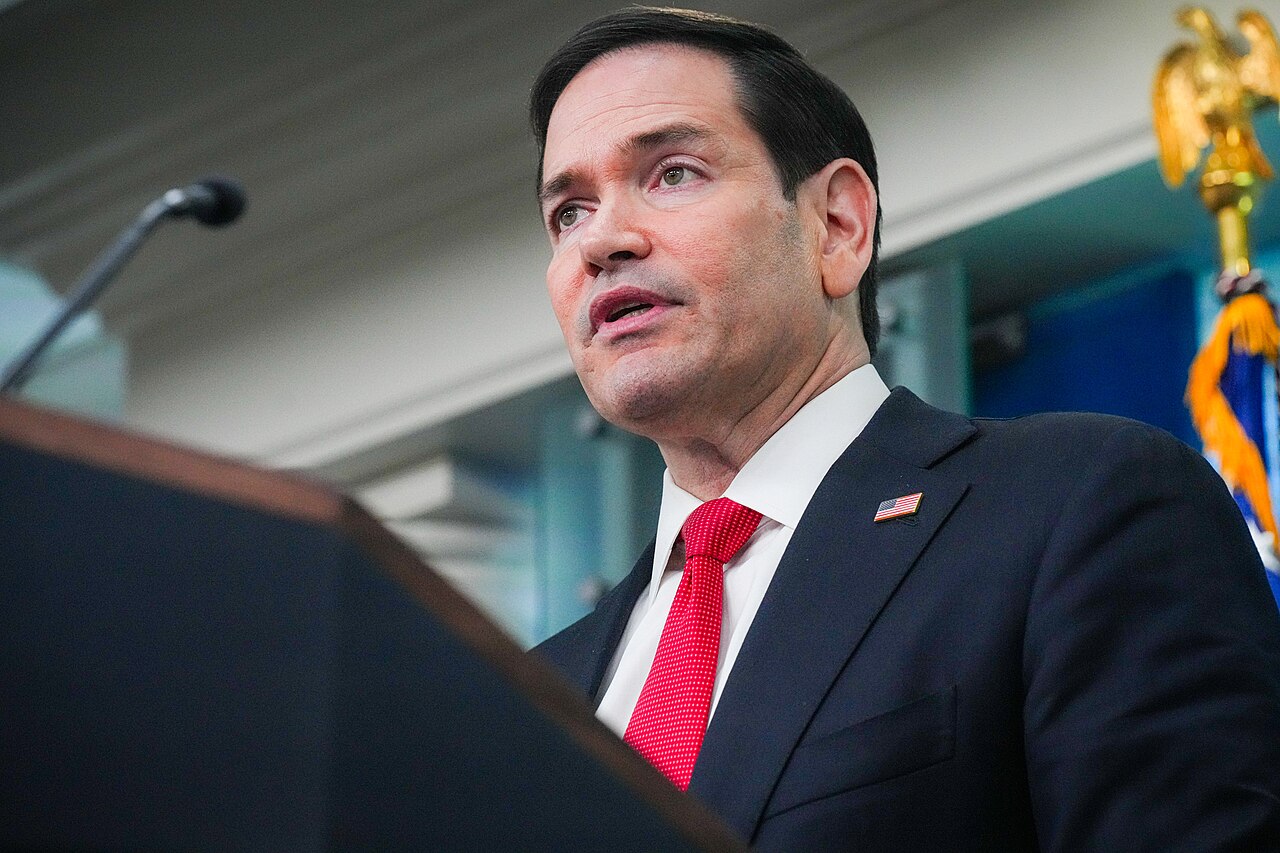
The United States has intensified its efforts against organized crime in Latin America by designating Brazil’s two largest criminal groups, Primeiro Comando da Capital (PCC) and Comando Vermelho (CV), as Specially Designated Global Terrorists (SDGTs). The announcement was made on Thursday by U.S. Secretary of State Marco Rubio, signaling Washington’s growing focus on transnational criminal organizations linked to drug trafficking and regional violence.
According to Rubio, the U.S. government plans to formally classify PCC and Comando Vermelho as Foreign Terrorist Organizations (FTOs) beginning June 5, 2026. The move would place the Brazilian gangs alongside other groups considered threats to U.S. national security and could expand the legal tools available to American authorities in combating their operations.
The decision has raised concerns in Brazil, where President Luiz Inácio Lula da Silva’s administration has reportedly sought to avoid such a designation. Brazilian officials worry that an FTO classification could create legal grounds for broader U.S. actions, including potential sanctions targeting financial institutions that unknowingly conduct business with individuals connected to the gangs. Some policymakers have also expressed concerns about the implications for national sovereignty and security cooperation.
Rubio described PCC and Comando Vermelho as among the most violent criminal organizations operating in Brazil. He noted that their influence extends far beyond the country’s borders, reaching multiple nations across Latin America and affecting criminal networks within the United States.
The U.S. State Department’s designation as Specially Designated Global Terrorists allows authorities to target assets, financial transactions, and support networks linked to the groups. The measure is intended to disrupt funding channels and limit the organizations’ ability to operate internationally.
“The Trump Administration will continue to use all available tools to protect our nation and our national security interests,” Rubio said, emphasizing efforts to curb illicit drug trafficking and dismantle the financial infrastructure supporting violent narco-terrorist groups.
The designation marks a significant development in U.S.-Brazil relations and highlights Washington’s increasing use of counterterrorism tools against major transnational criminal organizations.