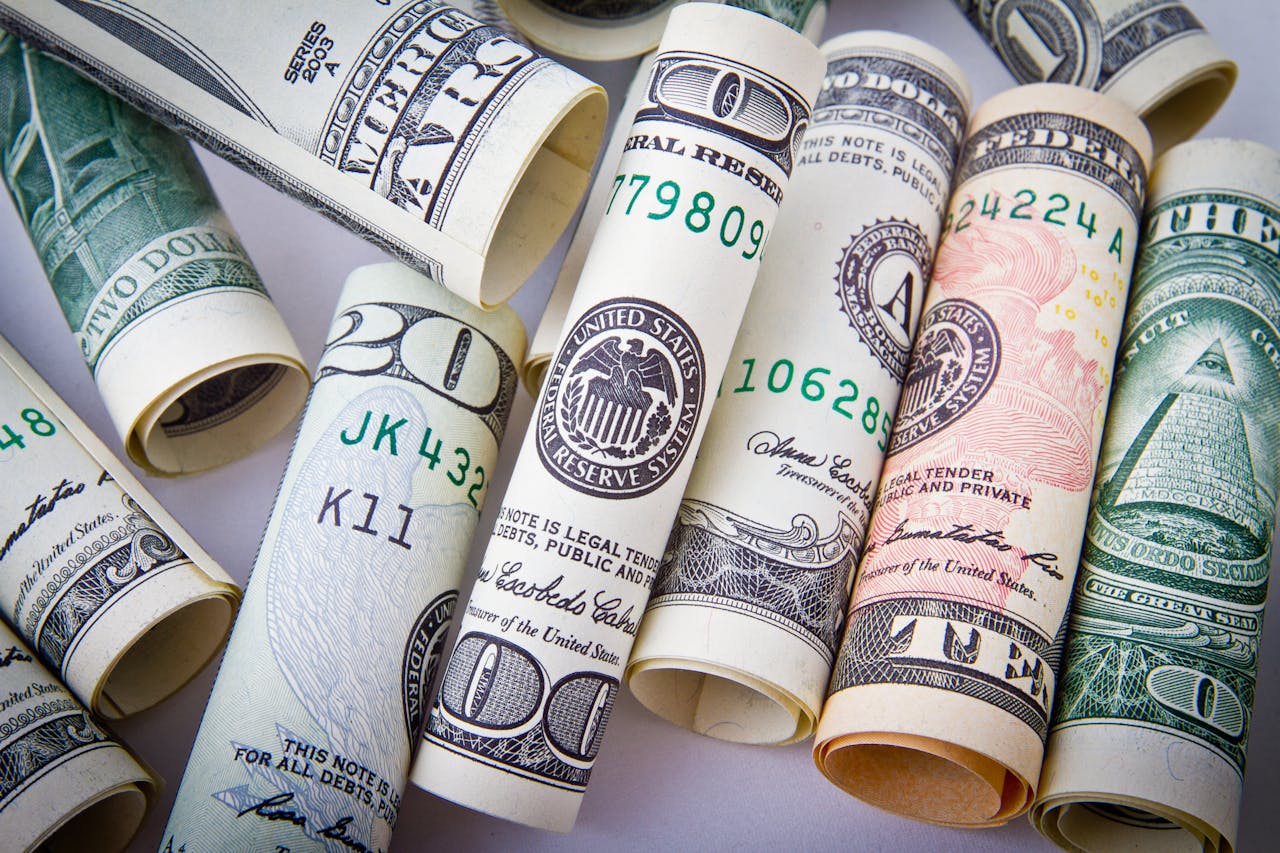
The U.S. dollar remained close to a one-week high on Tuesday as investors balanced escalating geopolitical tensions in the Middle East against growing hopes for a potential ceasefire. Currency markets stayed cautious as concerns over global energy supplies and inflation continued to influence trading.
The U.S. dollar index, which tracks the greenback against six major currencies, held steady at 100.96, remaining near its strongest level since July 15. Against the Japanese yen, the dollar traded little changed at 162.50, while the euro hovered at $1.1415. The British pound remained firm at $1.3434 after newly appointed U.K. Prime Minister Andy Burnham reaffirmed his commitment to maintaining fiscal discipline.
Market sentiment remained highly sensitive to developments in the Middle East. Oil prices fluctuated near six-week highs after Yemen’s Iran-backed Houthi movement announced a naval blockade targeting Saudi Arabia, raising concerns over potential disruptions to global energy supplies. At the same time, optimism emerged after reports that Iran had received a 10-day ceasefire proposal from international mediators.
National Australia Bank senior currency strategist Rodrigo Catril said markets remain extremely volatile, with investors waiting to see whether regional tensions ease or intensify further.
Rising oil prices also renewed concerns about inflation, prompting traders to reassess the outlook for U.S. interest rates. The benchmark 10-year U.S. Treasury yield stayed elevated at 4.5937%, while the 30-year Treasury yield remained above the 5% level, reflecting persistent inflation expectations.
Elsewhere, the New Zealand dollar climbed 0.4% to $0.5860, its highest level since early June, after stronger-than-expected inflation data increased expectations of additional interest rate hikes. The Australian dollar also edged higher to $0.7001.
In Europe, a European Central Bank survey indicated that eurozone businesses expect slower price increases. Although the ECB is widely expected to leave interest rates unchanged this week, elevated oil prices have strengthened expectations for another rate hike in September.
Meanwhile, the Canadian dollar stabilized after falling to a one-month low following the U.S. decision to impose a 50% tariff on a broad range of Canadian goods, citing what Washington described as discriminatory trade practices.