The US dollar continued to slide toward six-week lows on Wednesday as improving risk sentiment driven by hopes of a lasting ceasefire in the US-Iran war pressured the safe-haven currency. The US Dollar Index dropped 0.1% to 98.06, hovering just above pre-conflict levels as investors rotated back into riskier assets like equities.
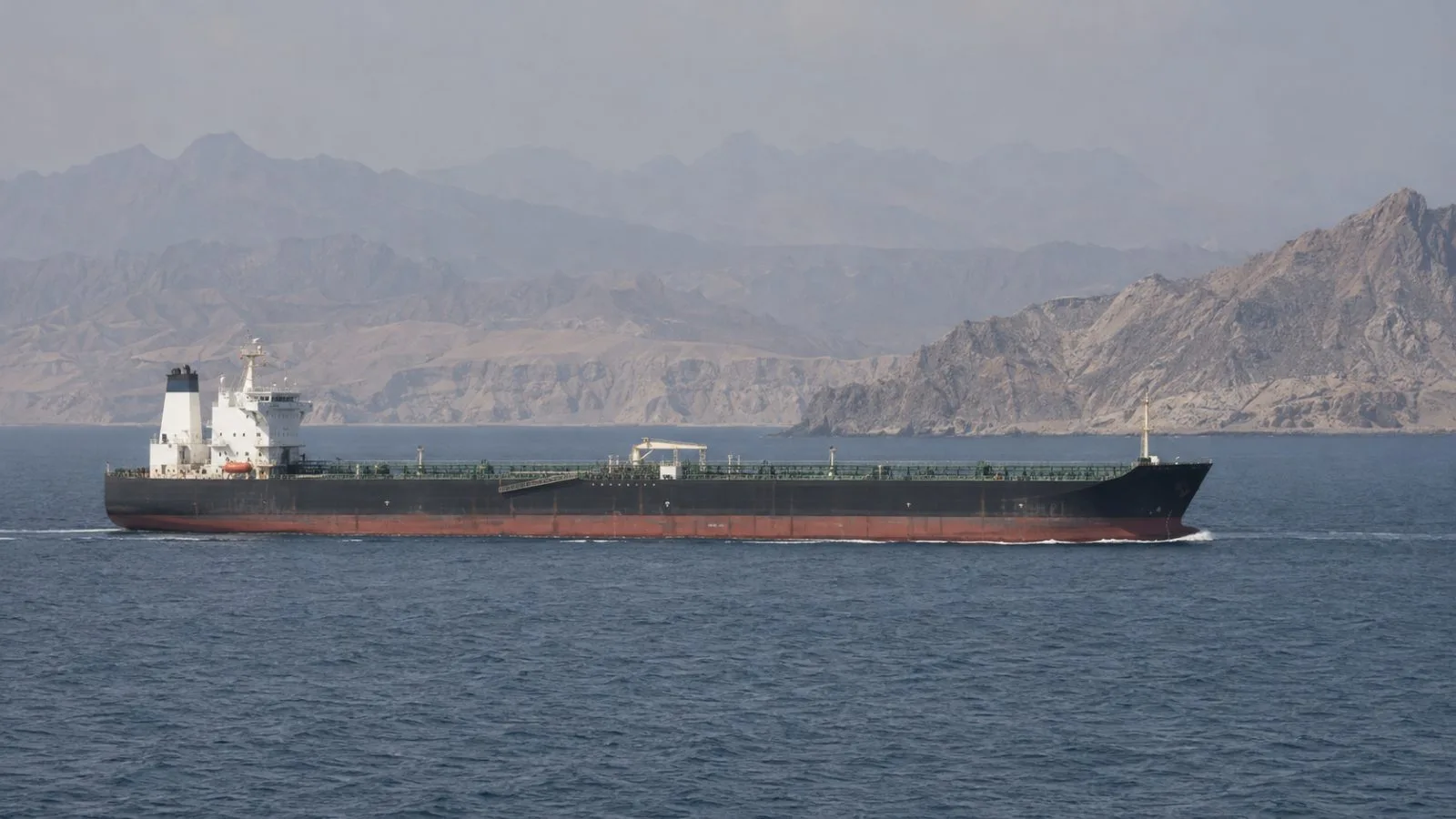
The greenback surged in March when traders sought shelter during the Middle East conflict, partly because the US economy — a net energy exporter — was seen as relatively shielded from oil supply disruptions caused by the near-closure of the Strait of Hormuz. However, growing optimism around peace negotiations has since eroded much of that safe-haven premium.
President Donald Trump signaled the conflict, which began with joint US-Israeli strikes on Iran in late February, could be "close to over." Speaking to multiple media outlets, Trump called a permanent ceasefire agreement "very possible" before King Charles's upcoming visit. White House Press Secretary Karoline Leavitt confirmed that negotiations remain "productive and ongoing," with officials expressing confidence about reaching a deal. A fresh round of talks is expected within days following an initial round in Pakistan that yielded no breakthroughs. The existing two-week ceasefire is set to expire on April 21.
Meanwhile, US Central Command announced it had fully implemented a naval blockade against Iran, widely viewed as a pressure tactic ahead of further negotiations. Oil prices remained below $100 per barrel but stayed elevated compared to pre-war levels, keeping inflationary concerns alive globally.
Analysts at Macquarie noted that a peace deal could push oil and gas prices lower, prompting central banks — particularly the Bank of England and European Central Bank — to dial back their hawkish stances. ING strategists, however, cautioned that risks for the dollar remain tilted to the upside until a concrete agreement materializes.