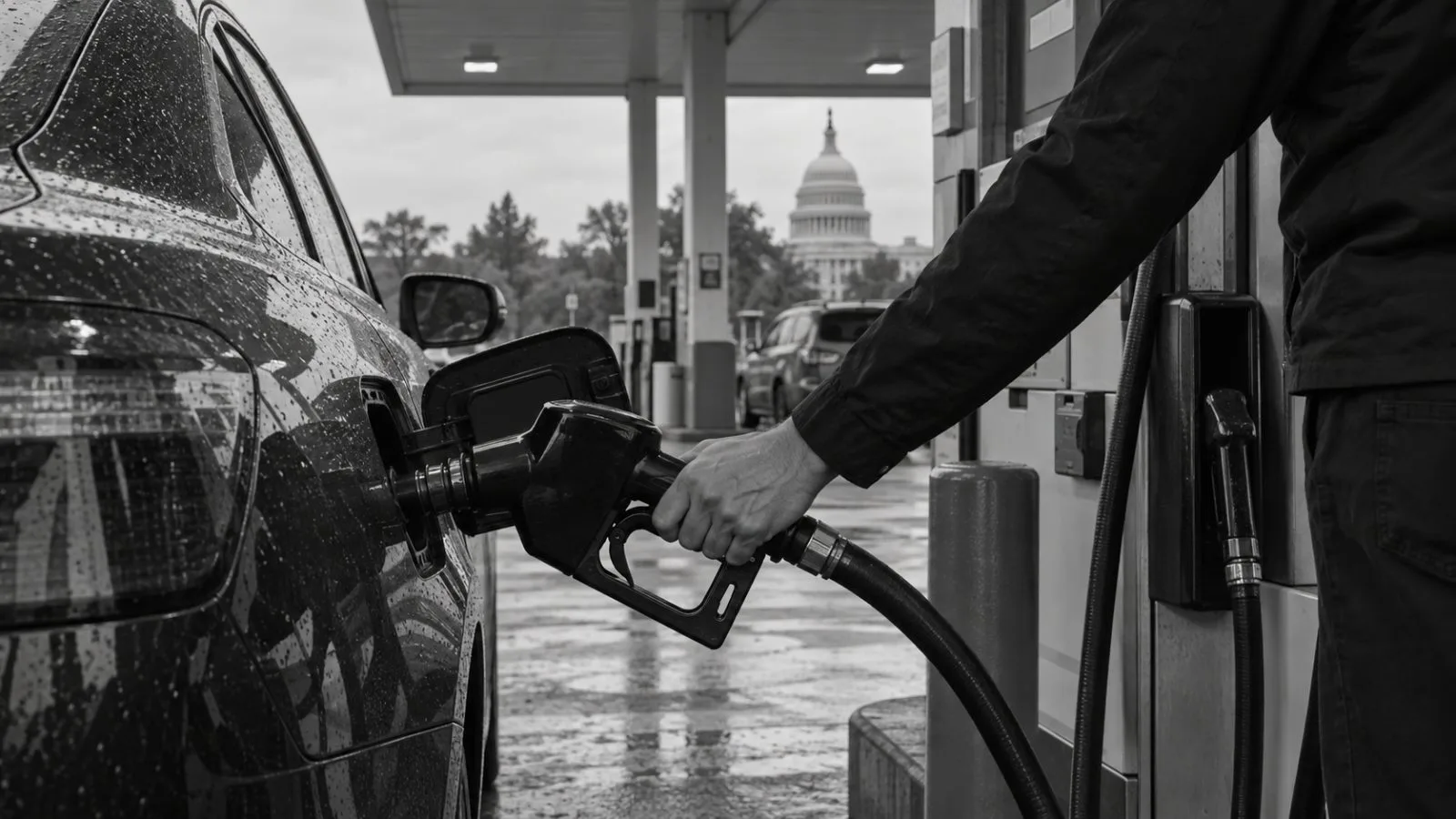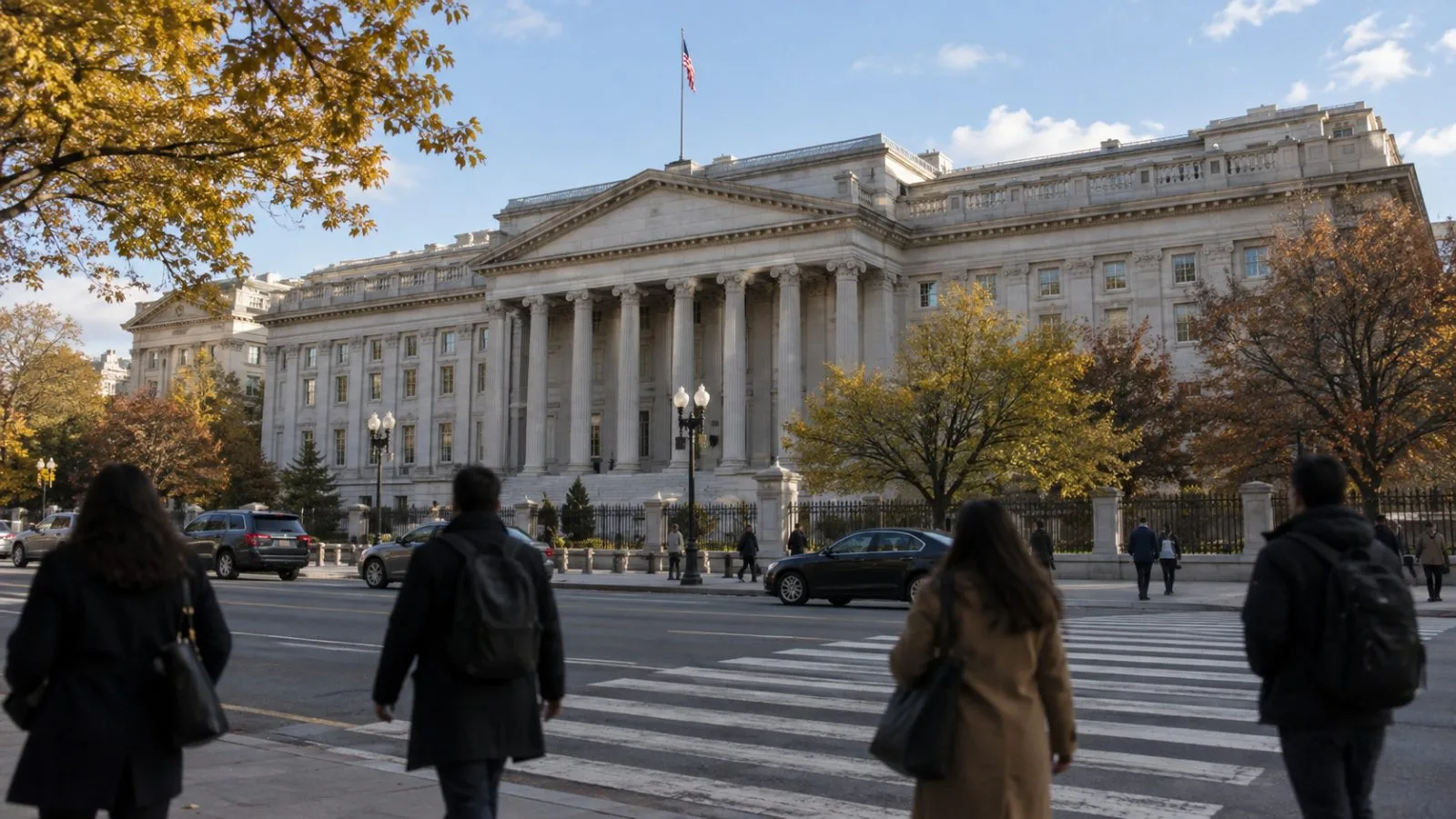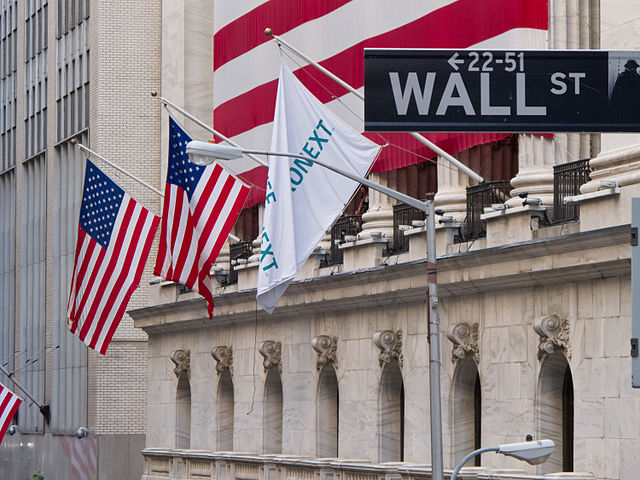
U.S. stock index futures pulled back Sunday night as geopolitical tensions in the Middle East intensified, pushing oil prices sharply higher after President Donald Trump issued a military ultimatum to Iran over access to the Strait of Hormuz, a critical global oil shipping route.
By 8:31 p.m. ET, S&P 500 futures were down 0.3% at 6,603.0 points, Nasdaq 100 futures declined 0.2% to 24,175.75 points, and Dow Jones futures dropped 0.4% to 46,535.0 points, reflecting growing unease among investors heading into the new trading week.
The after-hours losses stood in contrast to a strong prior week on Wall Street. All three major indexes posted their first weekly gains in six weeks, with the Dow Jones Industrial Average rising 3%, the S&P 500 climbing 3.4%, and the Nasdaq Composite leading the charge with a 4.44% advance. Investors had rushed to snap up undervalued stocks amid a brief easing of geopolitical concerns.
That optimism faded quickly after Trump took to Truth Social with an aggressive post warning Iran of imminent strikes on key infrastructure, including power plants and bridges, if the Strait of Hormuz was not reopened by 8:00 p.m. Eastern Time on Tuesday. The blunt ultimatum reignited fears of an expanded regional conflict with serious consequences for global energy markets and supply chains.
Oil prices responded swiftly, jumping over 2% during Asian trading Monday as energy markets began pricing in the possibility of prolonged disruptions to one of the world's most vital petroleum shipping corridors.
Adding another layer to market analysis, Friday's U.S. jobs report — published while stock markets were closed for the Good Friday holiday — showed nonfarm payrolls rebounded by 178,000 in March, reversing a revised 133,000 decline in February. The unemployment rate also improved, falling to 4.3% from 4.4%. ING analysts described the data as encouraging, suggesting the U.S. economy carries enough momentum to absorb geopolitical shocks, though they cautioned that persistent uncertainty could discourage employers from ramping up hiring in the months ahead.