


 US Suspends Microsoft, Adobe From Green Card Program
  NEAR Price Surges 11% as Trading Volume Doubles
  Morgan Stanley Predicts $10 Trillion RWA Market by 2030
  Coinbase CEO Backs SEC Accredited Investor Reform
  Robinhood Chain Eyes Priority Gas Auctions for Faster Trades
  Zcash Plans Quantum-Resistant Security Upgrade for January
  Ripple-Backed Evernorth Set for Nasdaq Debut With 473 Million XRP
  Amazon in Talks to Acquire AI Startup Decart for $7 Billion
  Elon Musk Eyes Semiconductor Manufacturing Expansion With $15 Billion Terrafab Project
  XRP Price Holds $1.35 Support as Bears Target $1.25
  Solidigm Taps Goldman, Morgan Stanley for $10 Billion US IPO
  DeFi Development Adds 22,070 SOL to Solana Treasury
  Russia Approves Sberbank for Crypto Exchange Services
  TSMC Q3 Revenue Beats Estimates as AI Chip Demand Surges
  Zcash Price Analysis: Can ZEC Rebound Above $1,300?
  BNB Price Faces Pressure as DOJ Investigates Binance


 Add as a preferred source on Google
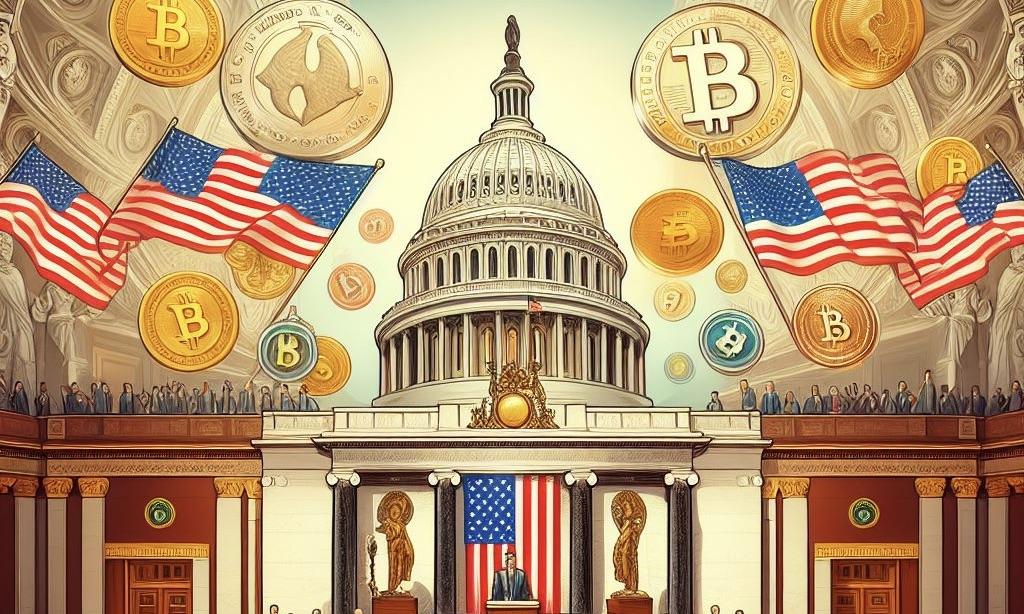
In a significant legislative move, the US House of Representatives has approved the FIT21 crypto bill with strong bipartisan support, aiming to provide clear regulatory guidelines for digital assets.
House Passes FIT21 Act to Clarify Digital Asset Regulations Amid Bipartisan Support and Debate
According to Cointelegraph, most United States House of Representatives members voted in favor of legislation that would provide regulatory clarity for digital assets.
On May 22, the House of Representatives demonstrated bipartisan support by approving H.R.4763, also known as the Financial Innovation and Technology for the 21st Century (FIT21) Act, by a significant vote of 279 to 136. The bill, if passed by the Senate and signed into law, will define the roles of the Securities and Exchange Commission (SEC) and the Commodity Futures Trading Commission (CFTC) in digital asset regulation. Notably, 71 Democrats and 208 Republicans voted in favor of the bill.
"Unfortunately, our current regulatory framework is preventing digital assets' innovation from reaching its full potential," said Representative Patrick McHenry before the House vote. "The SEC and the CFTC are currently in a food fight for control of these asset classes."
Representative Maxine Waters, who spoke before the floor vote, said she would reject the legislation. She noted that the FIT21 bill would place cryptocurrencies in a "regulatory no man's land" and that the language would allow traditional finance firms to operate without SEC monitoring.
"This [bill] is perhaps the worst, most harmful proposal I have seen in a long time," said Representative Waters. "This bill would deregulate crypto and certain traditional securities to the extent that I and other experts have expressed serious concerns about this bill causing a potential market crash and recession."
House to Vote on Anti-CBDC Bill as Crypto Regulations Take Center Stage Ahead of Election Year
The House is still scheduled to examine and vote on H.R. 5403, the Central Bank Digital Currency (CBDC) Anti-Surveillance State Act, which would prevent the Federal Reserve from issuing digital dollars via intermediaries. On May 21, the Democratic Party leadership allegedly stated that it did not support its members voting to pass the anti-CBDC or FIT21 bills, but it would not whip against the measures.
Crypto-related legislation and the SEC's forthcoming ruling on a spot Etherexchange-traded fund come as the United States enters an election year, with many people thinking about digital assets. President Joe Biden and former President Donald Trump, the presumptive contenders for the Democratic and Republican Parties in 2024, have agreed on two debates on June 27 and Sept. 10.
Photo: Microsoft Bing







