


 Moonshot AI Executives Seek Settlement Ahead of Hong Kong IPO
  TSMC Q3 Revenue Beats Estimates as AI Chip Demand Surges
  Bumble Shares Surge 50% on $1 Billion Buyout Talks
  PepsiCo Slashes Poppi Earnout Valuation as Growth Slows
  Coinbase CEO Backs SEC Accredited Investor Reform
  Orsted to Take Full Ownership of UK Offshore Wind Farm for £15 Million
  Epic Games Delays Disney Shooter, Shifts to AI-First Development
  Russia Approves Sberbank for Crypto Exchange Services
  Amazon in Talks to Acquire AI Startup Decart for $7 Billion
  Albertsons Seeks $9.3 Billion From Kroger Over Failed Merger
  Yandex Data Center Hit by Drone Strike as Russia-Ukraine Cyber Infrastructure Attacks Escalate
  Canton Network Expands in South Korea With Major Partnerships
  Morgan Stanley Predicts $10 Trillion RWA Market by 2030
  Apple Supplier Luxshare Faces US Patent Probe, Sees Limited Impact
  Broadcom, Oracle and SpaceX Seek Billions in Private Debt for AI Expansion
  Meta Launches Muse Wonder AI Models, Shares Rise 3.7%
  Robinhood Chain Eyes Priority Gas Auctions for Faster Trades


 Add as a preferred source on Google
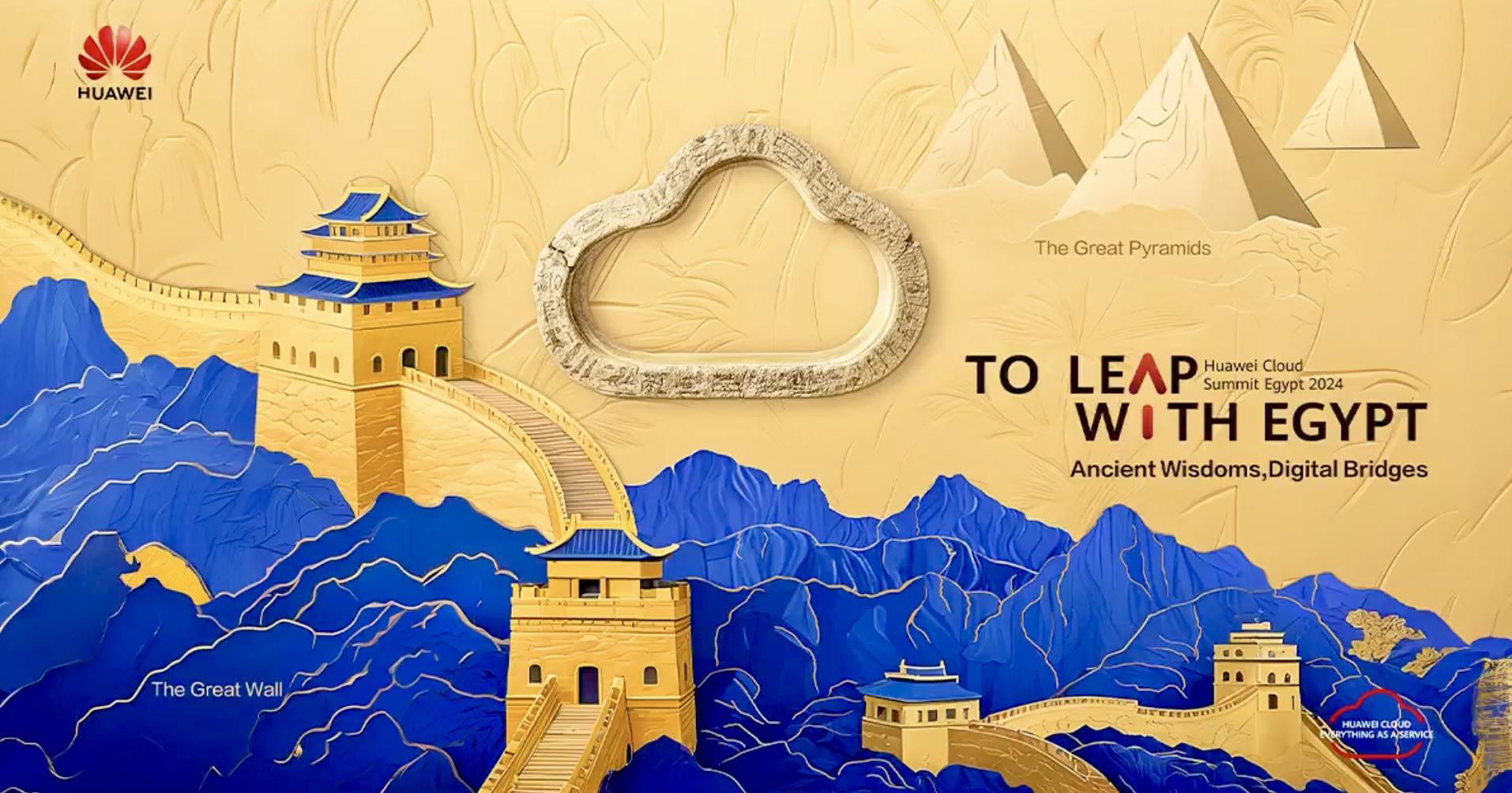
In Cairo, Huawei, a Chinese tech behemoth, introduced Egypt's first public cloud service and an Arabic large language model (LLM) to capitalize on the region's growing demand for generative artificial intelligence (AI).
Modern Standard Arabic LLM for Practical Business Applications
South China Morning Post (SCMP) reports that a statement from the company's cloud unit revealed that the Arabic LLM, a 100 billion parameter model developed on Huawei's in-house Pangu, has been meticulously trained using local data. This ensures a deep understanding of the Arab world's unique culture, history, knowledge, and customs, making it a genuinely local AI solution.
William Dong, president of Huawei Cloud's marketing, shared at the company's Cloud Summit in Cairo that the LLM, trained in modern standard Arabic, offers practical business applications. It can assist in creating AI models tailored to different local languages in the Arabic-speaking world, benefiting industries such as banking and education.
AI Models to Preserve Local Culture
With an accuracy rate of 96%, Huawei claims that its LLM's automatic speech recognition capability can cover more than 20 Arabic-speaking nations. The model was also trained using industry data sets covering digital power, oil and gas, and finance to support different sectors.
Global marketing and sales services president at Huawei Cloud, Jacqueline Shi, stated, "We believe that every country should have AI capabilities to preserve [their] local culture and that AI models should be developed and trained with local languages, enabling vertical industries to become more efficient."
Huawei's Role in MENA's Technology and Data Center Development
Huawei also showed off Egypt's first public cloud service center, which will help train tens of thousands of developers and tech experts and facilitate the opening of the nation's consumers' digital transformation prospects.
Huawei Central shares that Huawei Cloud is heavily involved in creating cutting-edge technologies and data centers in the Middle East and North Africa. Additionally, according to reports, the OEM is now the first company in the world to provide public cloud services in Egypt.
Photo: Huawei Egypt/X







