Hopes for a diplomatic breakthrough in the ongoing U.S.-Israel conflict with Iran have faded as negotiations remain stalled, prolonging uncertainty in global markets and geopolitics. Efforts to end the two-month conflict hit a setback after Iranian Foreign Minister Abbas Araqchi concluded talks in Pakistan without progress, while U.S. President Donald Trump canceled a planned diplomatic visit involving key envoys Steve Witkoff and Jared Kushner.
The failed negotiations highlight deep divisions between Washington and Tehran, with neither side showing willingness to compromise. Iran has rejected what it describes as “imposed negotiations,” emphasizing that meaningful dialogue cannot occur under pressure or economic blockades. Iranian President Masoud Pezeshkian stated that the United States must first lift restrictions on Iranian ports and remove operational barriers before any serious peace talks can begin.
Meanwhile, the United States maintains that Iran’s proposals fall short. Trump criticized Tehran’s offer as insufficient and pointed to internal instability within Iran’s leadership. His remarks underscore the growing mistrust between both sides, further complicating diplomatic progress.
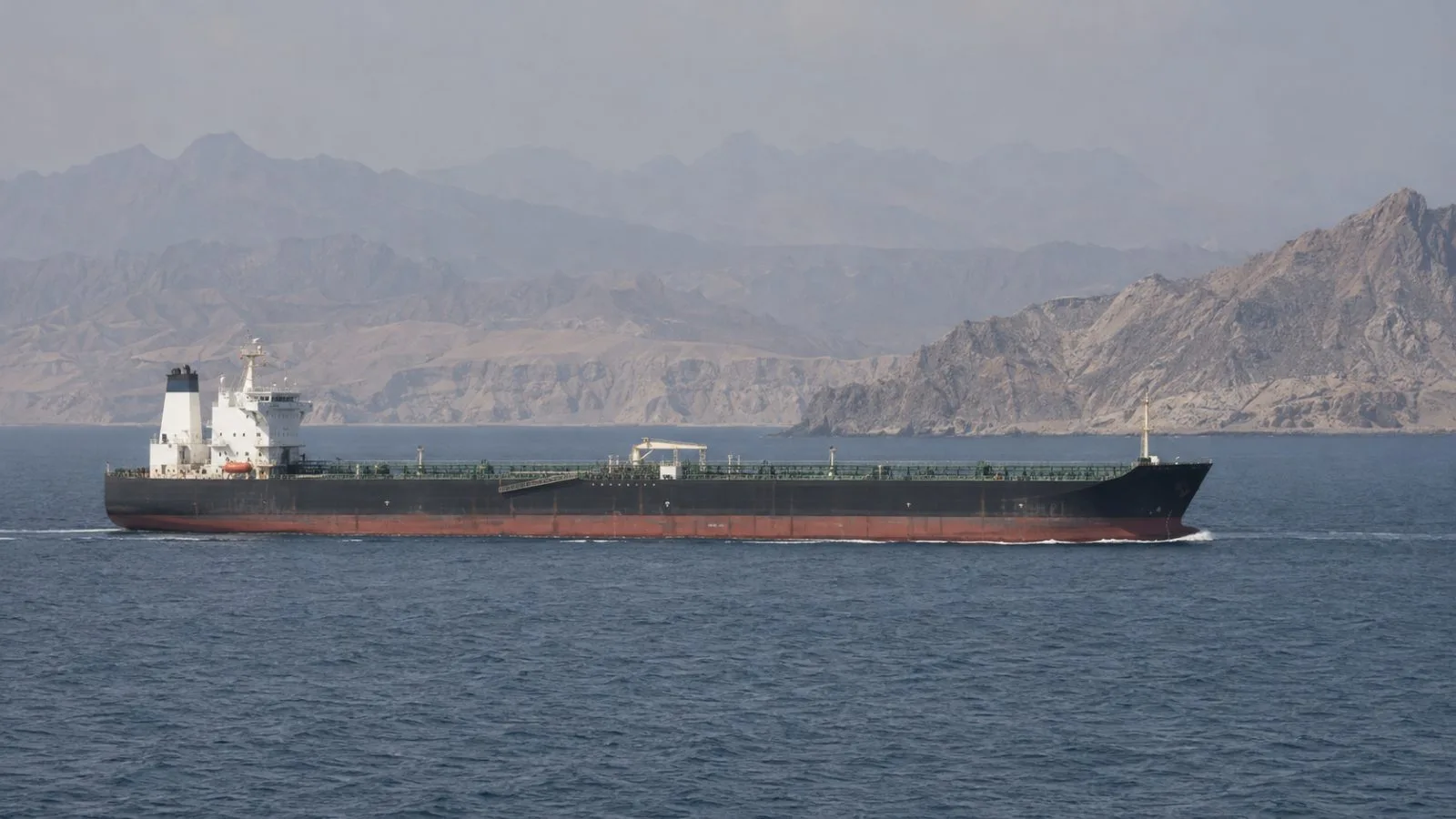
The geopolitical standoff is already impacting the global economy. Rising tensions have pushed oil prices to multi-year highs, fueling inflation and raising concerns about slowing global growth. Iran’s partial closure of the Strait of Hormuz—a critical route for roughly 20% of global oil and liquefied natural gas shipments—has intensified supply fears. At the same time, U.S. sanctions continue to restrict Iranian oil exports, tightening global energy markets.
Adding to regional instability, Israeli Prime Minister Benjamin Netanyahu has ordered renewed military action against Hezbollah targets in Lebanon, threatening a fragile ceasefire. This escalation increases the risk of broader conflict across the Middle East.
The U.S.-Iran conflict began on February 28 following joint U.S.-Israeli airstrikes on Iran. Since then, Iran has retaliated with strikes targeting Israel, U.S. military bases, and Gulf states. Despite earlier signs of progress, including initial talks led by Vice President JD Vance, negotiations remain at a standstill, leaving the path to peace uncertain and global markets on edge.