


 FDA Approves Mirum’s Atebrioz for Rare Bone Disorder FOP
  Ukraine Deploys FP-7 Ballistic Missile in Combat for First Time
  Hims & Hers Shares Fall as GLP-1 Costs Widen Q2 Loss
  Israel Tightens Pilot Security After Flydubai Incident
  AstraZeneca Q2 Earnings Beat Forecasts as Oncology Growth Supports 2026 Outlook
  US Waives Egypt Military Aid Conditions Over Iran War Role
  California Leads Lawsuit Over Trump’s $810 Million Funding Cuts
  Trump Signs Order to Cut Routine Childhood Vaccines
  Israeli Settler Attack in West Bank Kills Palestinian
  Xi Rest Breaks Cut Trump Summit Schedule, WSJ Reports
  Illinois Delays Crypto Tax Law Until July 2027
  CNN, Politico and MS NOW Seek Court Order Blocking Trump White House Ban
  Trump Praises Boeing 737 Max After Flydubai Crash Attempt
  US Officials See China Taiwan Invasion Before 2028 as Less Likely


 Add as a preferred source on Google
The Trump administration has imposed new travel restrictions on American citizens in the Democratic Republic of Congo (DRC) as the country faces a worsening Ebola outbreak, according to a White House official.
Under the new policy, implemented through transportation authority known as Title 49, U.S. citizens currently in Congo or those who have recently departed the country will be placed on a "do-not-board" list for commercial flights bound for the United States. Affected travelers must remain in a third country for at least 21 days before they are permitted to return to the U.S.
The decision comes as Ebola cases continue to rise across the DRC. Official figures released late Sunday showed 1,926 confirmed infections and 702 deaths, highlighting the growing public health crisis. The outbreak has expanded into several provinces, raising concerns about further regional spread.
Ebola is a highly contagious and often fatal viral disease transmitted through direct contact with the bodily fluids of infected people or animals. Symptoms include high fever, vomiting, severe weakness, and internal and external bleeding.
U.S. officials said approximately two dozen Americans were scheduled to board flights home on Tuesday after traveling to Congo. The State Department will assist those impacted by the travel restrictions during the mandatory waiting period.
The measures follow an order signed Monday by U.S. Health and Human Services Secretary Robert F. Kennedy Jr., who cited increasing Ebola risks, including reports of the virus spreading to areas just hours from Congo's capital, Kinshasa.
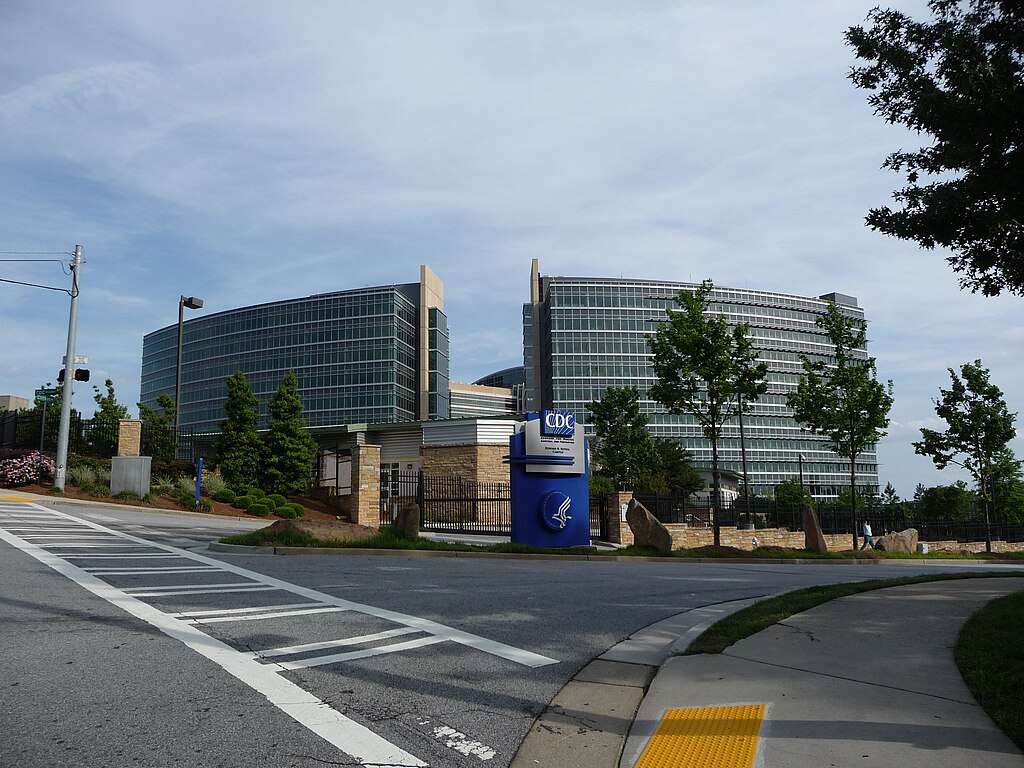
The U.S. Centers for Disease Control and Prevention (CDC) also confirmed that an American humanitarian worker in Congo tested positive for the Bundibugyo strain of Ebola. German officials said another infected U.S. citizen was admitted to Frankfurt University Hospital for treatment on Monday. The CDC also noted that another American, identified by the Serge Christian mission organization as Dr. Peter Stafford, was previously transported to Germany for medical care after contracting Ebola in Congo.
The latest travel restrictions underscore the U.S. government's efforts to reduce the risk of Ebola transmission while supporting American citizens affected by the expanding outbreak.







