


 Paris Talks Focus on Lebanon Army Needs as UNIFIL Exit Looms
  DOJ Will Investigate AI-Related Crimes, Attorney General Blanche Says
  France Targets Shein, Temu With Fast-Fashion Fees
  Rodrigo Duterte Makes First Public Appearance at ICC in 18 Months
  Trump Grants Clemency to Jay-Z Associate Emory Jones
  US Allies Fear Trump Could Soften Taiwan Stance in Xi Talks
  Australia Plans New Rules Giving Users Control Over Social Media Feeds
  US Immigration Arrests Surge as Deportations Lag Behind
  Trump Hopes Iran War Nears End as Yemen Fighting Escalates
  U.S. Imposes New Visa Restrictions Over South Africa Policies
  US Judge Dismisses Imran Ahmed Deportation Lawsuit
  Brazil Warns EU of Retaliation Over Animal Products Ban
  Guterres Urges Stronger Global AI Safeguards Ahead of UN Assembly
  What is Zionism? The different meanings of a contested term
  Saudi Arabia Raises Security Alerts as Houthi Attacks Threaten Oil Routes
  Yemen Fighting Threatens Red Sea Oil Routes
  New Zealand Labour Backs Social Media Ban for Under-16s


 Add as a preferred source on Google
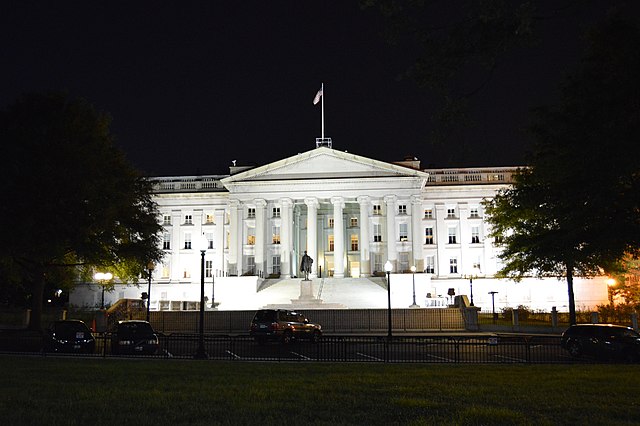
The administration of President Donald Trump has lifted U.S. sanctions on three executives connected to the controversial spyware consortium Intellexa, according to a notice published on the U.S. Treasury Department’s website. The decision partially rolls back sanctions imposed last year under former President Joe Biden, which targeted individuals accused of supporting the development and global spread of invasive surveillance technologies.
The sanctions removal applies to Sara Hamou, Andrea Gambazzi, and Merom Harpaz, all of whom were previously accused by U.S. authorities of playing key roles within Intellexa. Hamou was alleged to have provided managerial services to the consortium, Gambazzi’s company was said to have held distribution rights to Intellexa’s Predator spyware, and Harpaz was described as a senior executive within the organization. None of the three individuals immediately responded to requests for comment following the announcement.
In an email statement, the Treasury Department said the move followed a formal petition for reconsideration and was part of a “normal administrative process.” Officials added that each of the individuals demonstrated actions to distance themselves from Intellexa, which contributed to the decision to lift the sanctions. The remaining individuals sanctioned last year, including Intellexa founder Tal Dilian, remain on the U.S. sanctions list.
Intellexa, founded by former Israeli intelligence official Dilian, has drawn international scrutiny for its flagship Predator spyware. The software has been linked to a major surveillance scandal in Greece, involving allegations that journalists, political figures, and private citizens were illegally monitored. In addition, investigative reporting in 2023 claimed that the Vietnamese government attempted to use Intellexa’s tools to hack members of the U.S. Congress, further intensifying global concerns over the misuse of commercial spyware.
When the sanctions were first announced in March of last year, U.S. officials accused Intellexa of enabling the spread of spyware to authoritarian governments and facilitating covert surveillance of U.S. officials, journalists, and policy experts. While Dilian has denied wrongdoing in the Greek case and has not publicly addressed the alleged hacking attempts, the controversy surrounding Intellexa and commercial spyware continues to shape international debates on digital surveillance, cybersecurity, and human rights.







