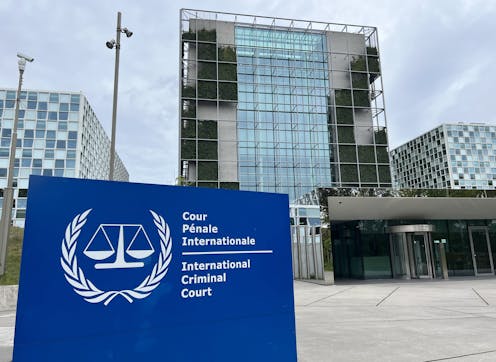
The Trump administration is demanding that the International Criminal Court (ICC) amend its founding treaty to block any investigation into President Donald Trump and senior U.S. officials, warning that Washington could impose additional sanctions if its conditions are not met. According to a senior U.S. official, the administration also wants the ICC to drop its probe into alleged Israeli war crimes in Gaza and formally close its earlier investigation into U.S. military actions in Afghanistan.
If the ICC fails to act, the United States may penalize more court personnel and could even sanction the institution itself—an escalation that could hinder the ICC’s operations, from paying staff to accessing bank accounts and software. The U.S., which is not a party to the Rome Statute establishing the ICC, argues that the court threatens American sovereignty.
The official, speaking anonymously, said Washington has relayed its demands to ICC member states, including allies, as well as to the court directly. The push follows ICC arrest warrants issued last year for Israeli Prime Minister Benjamin Netanyahu, former defense chief Yoav Gallant, and Hamas leader Ibrahim al-Masri over alleged crimes during the Gaza conflict.
Although the ICC deprioritized its Afghanistan investigation in 2021, it never formally ended it. Earlier this year, the U.S. sanctioned nine ICC officials to pressure the court to back down but avoided targeting the court itself. The administration fears that once Trump’s term ends in 2029, the ICC could pursue charges against him or top cabinet members, citing “open chatter” in international legal circles.
Changing the Rome Statute would require approval from two-thirds of its 125 member states, making U.S. demands difficult to achieve. Any attempt to grant immunity to specific leaders would challenge the court’s foundational principles and require even broader consensus.
The ICC has not commented on whether the U.S. sought immunity for Trump but confirmed that amendments fall under the authority of member states.