


 UN Chief Raises Concern Over US Sanctions on ICC Officials
  Amazon Shares Fall as FTC Plans Ad Pricing Lawsuit
  Iran Vows Tougher Response as US Sanctions Squeeze Economy
  Sara Duterte Posts Bail Over Grave Threats Case
  US Stock Futures Mixed as Strong Jobs Data Boosts Fed Rate Hike Bets
  AfD Eyes Historic Win in Saxony-Anhalt Election
  SEC Seeks ISS Client Voting Records in Proxy Adviser Probe
  Japan, U.S. Stay Aligned on Yen as Currency Surges
  Google Changes EU Spam Policy Amid Antitrust Scrutiny
  Prince Harry, Elton John Ordered to Pay £9.54 Million in Daily Mail Legal Costs
  New Mexico Sues DOJ Over Unredacted Jeffrey Epstein Files Amid Ongoing Investigation
  Trump Imposes New Tariffs on Drone Imports Over US Security Concerns
  Trump Targets 1,000 U.S. Space Launches Annually by 2030
  Maduro Seeks Dismissal of US Drug Trafficking Charges
  Ecuador Court Convicts Ex-President Lenin Moreno in Bribery Case


 Add as a preferred source on Google
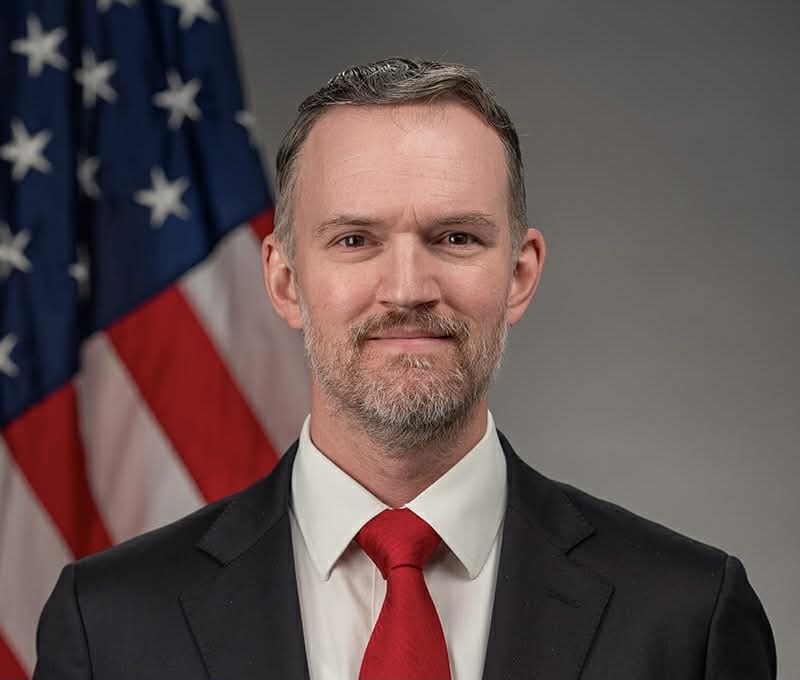
U.S. Trade Representative Jamieson Greer announced Friday that his office will begin several new investigations under Section 301 of the Trade Act of 1974, signaling a renewed focus on U.S. trade enforcement. The move comes shortly after the U.S. Supreme Court struck down tariffs ranging from 10% to 50% that had been imposed under the International Emergency Economic Powers Act (IEEPA).
According to Greer, the Section 301 investigations will target most major U.S. trading partners and address key trade concerns, including pharmaceutical product pricing, industrial overcapacity, forced labor practices, and alleged discrimination against American technology companies and digital goods. The decision underscores the Trump administration’s commitment to reshaping international trade policy and protecting U.S. economic interests.
Section 301 of the Trade Act of 1974 gives the U.S. Trade Representative authority to investigate and respond to unfair trade practices by foreign governments. These new probes are expected to examine whether certain policies or market behaviors harm U.S. businesses, distort global markets, or restrict fair competition.
Greer emphasized that despite the Supreme Court’s ruling on the IEEPA tariffs, the administration remains confident that trade agreements negotiated under President Donald Trump will stay intact. The court’s decision invalidated the emergency-based tariffs but does not affect existing bilateral or multilateral trade deals reached during Trump’s tenure.
The renewed use of Section 301 investigations highlights a strategic shift in U.S. trade policy, focusing on enforcement mechanisms embedded in longstanding trade law rather than emergency economic powers. By addressing issues such as excess industrial capacity and digital trade barriers, the administration aims to strengthen American competitiveness and ensure fair treatment for U.S. exporters and technology firms in the global marketplace.
The announcement signals a potentially significant escalation in trade scrutiny that could reshape relations with key economic partners in the months ahead.







