The Office of the United States Trade Representative (USTR) announced on Tuesday a proposal to impose additional tariffs on imports from 60 economies after determining that their efforts to prevent trade in goods produced with forced labor were insufficient. According to the USTR, these shortcomings are considered unreasonable practices that negatively affect U.S. commerce and undermine fair trade standards.
The proposed duties are part of the U.S. government's broader strategy to strengthen enforcement against forced labor in global supply chains and encourage trading partners to adopt stronger labor protections. Officials said the review found that several economies had failed to take adequate measures to identify, prevent, and eliminate the production and export of goods linked to forced labor.
The USTR emphasized that products made through forced labor create unfair competition for businesses that comply with labor laws and ethical sourcing requirements. By introducing additional import tariffs, the United States aims to reduce the flow of such goods into the American market while promoting responsible trade practices worldwide.
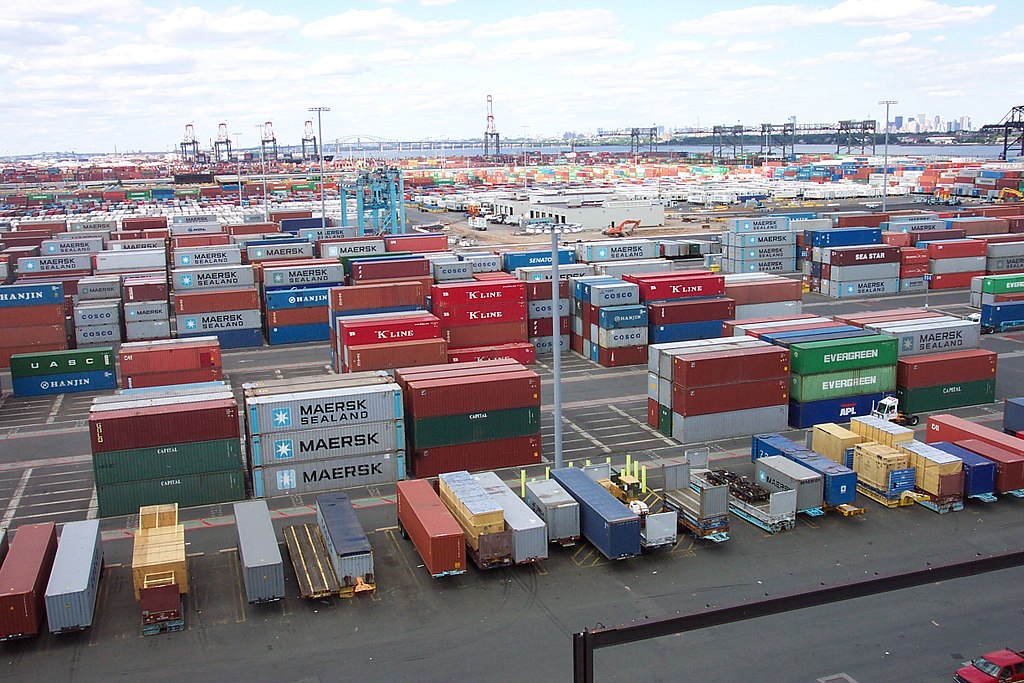
The proposal could affect a wide range of imported products and industries, depending on the economies involved and the extent of their exposure to forced labor risks. Companies that rely on international supply chains may face increased costs if the tariffs are approved and implemented.
Trade experts note that the move reflects growing global scrutiny of labor conditions and supply chain transparency. Governments and multinational corporations have increasingly faced pressure from consumers, investors, and human rights organizations to ensure that products entering international markets are not linked to forced labor or labor exploitation.
If finalized, the additional duties would represent another significant step in U.S. trade policy aimed at protecting workers' rights, promoting ethical sourcing, and maintaining fair competition in global commerce. The proposal is expected to undergo further review before any final decision is made regarding the implementation of the new tariffs.