


 DOJ Will Investigate AI-Related Crimes, Attorney General Blanche Says
  China’s Global Times Slams Anthropic CEO’s AI Slowdown Plan as ‘Cold War’ Strategy
  US Judge Dismisses Imran Ahmed Deportation Lawsuit
  SEC Seeks ISS Client Voting Records in Proxy Adviser Probe
  Google Changes EU Spam Policy Amid Antitrust Scrutiny
  Texas Republicans Turn Against AI Data Centers as Election Backlash Grows
  Banking scandal rocks Brazil’s politics and the country’s presidential election in October
  New Zealand Moves to Ban Social Media for Children Under 16
  France Targets Shein, Temu With Fast-Fashion Fees
  Ovechkin Faces Scrutiny Over United Russia Campaign Video
  U.S. Probes Apex Logistics Over Nvidia AI Chip Shipments to China
  Saudi Arabia Raises Security Alerts as Houthi Attacks Threaten Oil Routes
  Houthis Escalate Saudi Attacks as Red Sea Oil Risks Grow
  Australia Defends Social Media Algorithm Law Amid US Concerns
  US Immigration Arrests Surge as Deportations Lag Behind
  U.S. Issues Cuba Health Alert as Illnesses Rise


 Add as a preferred source on Google
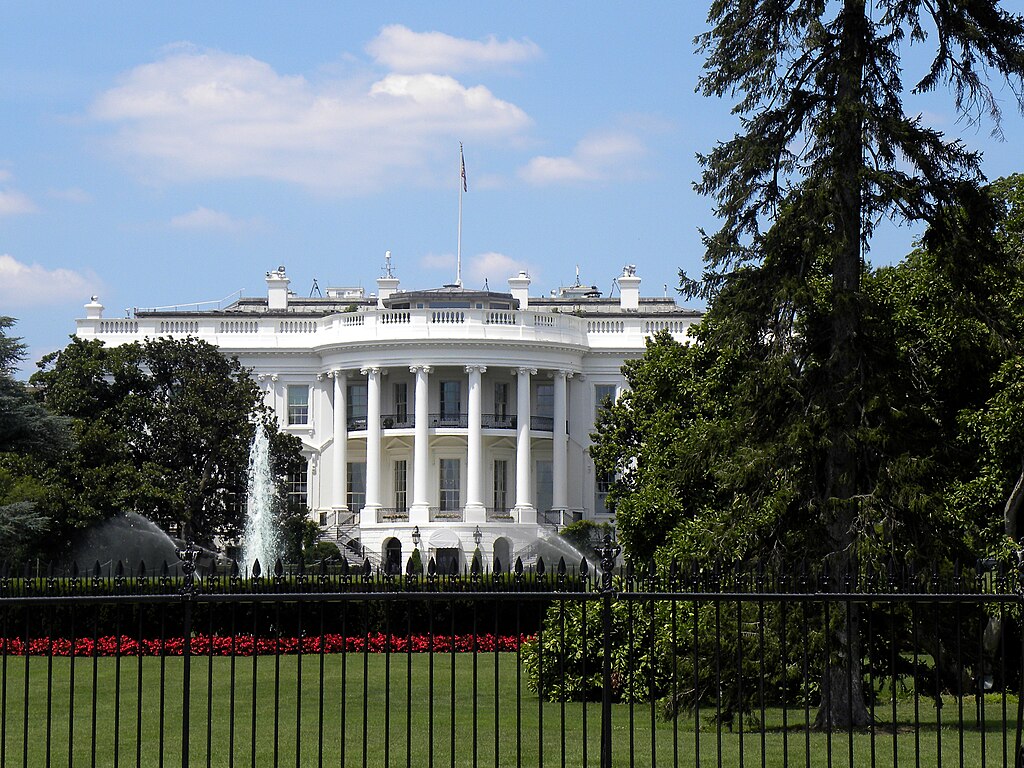
The Trump administration has imposed new travel restrictions on American citizens who have recently been in the Democratic Republic of Congo (DRC), preventing them from boarding commercial flights to the United States as officials respond to the country’s worsening Ebola outbreak.
According to a White House official, the policy took effect on Monday under transportation authority known as Title 49. U.S. citizens currently in the DRC, or those who recently departed the country, will be placed on a "do-not-board" list until they have spent at least 21 days in a third country before traveling to the U.S.
The move follows a sharp increase in Ebola cases across Congo. Official figures released late Sunday showed 1,926 confirmed infections and 702 deaths, with the outbreak expanding into multiple provinces. Ebola spreads through direct contact with infected bodily fluids and can cause severe symptoms, including high fever, vomiting, and internal and external bleeding.
A U.S. official said about two dozen Americans had been scheduled to fly home on Tuesday after traveling through Congo. The State Department will assist those affected during the mandatory waiting period, although the official declined to be identified.
The policy has drawn criticism from public health experts. Dr. Daniel Jernigan, a former senior Centers for Disease Control and Prevention (CDC) official who helped lead the U.S. response to the 2014-2015 West Africa Ebola outbreak, said applying the "do-not-board" list to U.S. citizens with little infection risk is unprecedented. He warned the measure could shift public health responsibilities to other countries, encourage travelers to hide their travel history, and complicate efforts to recruit American medical workers for outbreak response.
The Department of Health and Human Services recently warned that Ebola risks have increased as the virus spread to areas near Kinshasa, the DRC's capital. The CDC also confirmed that an American humanitarian worker contracted the Bundibugyo strain of Ebola in Congo and was transferred to Frankfurt University Hospital in Germany. Another American doctor was also evacuated to Germany for treatment earlier this year.
The U.S. government has committed hundreds of millions of dollars to Ebola response efforts and is constructing a quarantine facility in Kenya for American citizens, while the State Department said it remains ready to assist U.S. nationals affected by the new travel guidance.







