The United States has reaffirmed its support for the Tibetan people's human rights and cultural identity following the death of a Tibetan man who set himself on fire near the United Nations headquarters in New York, renewing international attention on the long-running Tibet-China dispute.
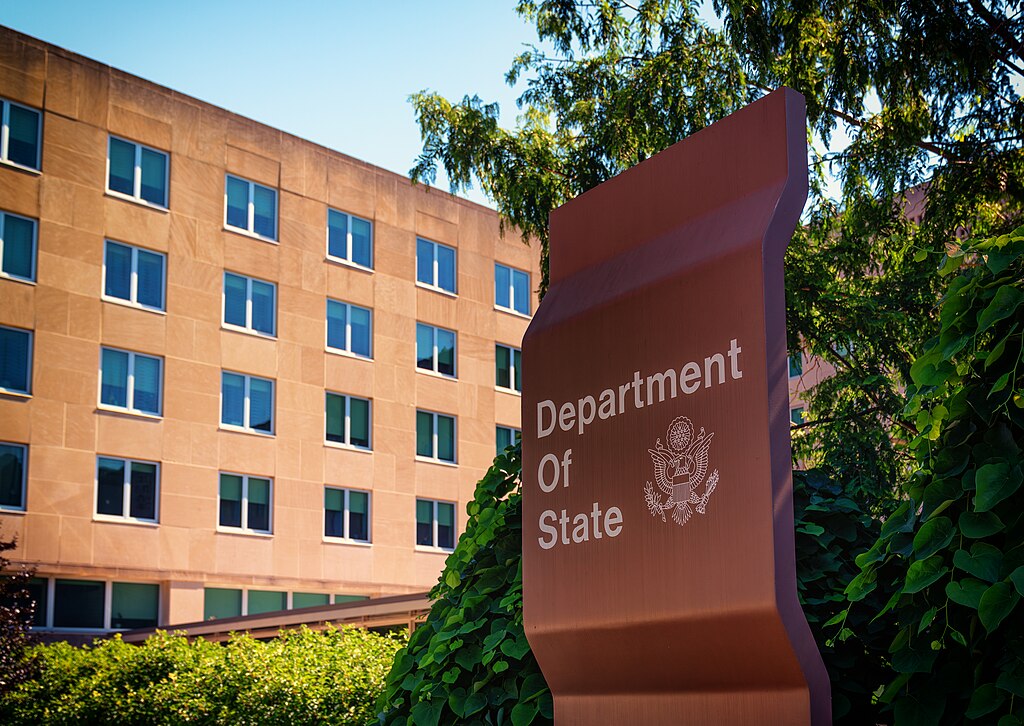
A U.S. State Department spokesperson said Washington remains committed to supporting Tibetans' right to preserve their unique culture, language, and religion without interference. The spokesperson also reiterated that the United States will continue urging China to resume direct talks, without preconditions, with the Dalai Lama, his representatives, and Tibet's democratically elected leaders to pursue meaningful autonomy for Tibetans.
The statement came after a Tibetan man died from severe burns last Thursday near the UN headquarters. Activists and Tibetan exile media identified him as Lobga Rangzen. According to Voice of Tibet, he self-immolated after making a live appeal calling for Tibetan independence and unity.
The U.S. has consistently backed Tibetan human rights across multiple administrations, maintaining support for dialogue as the preferred path to resolving tensions between Beijing and Tibetan leaders.
China defended its position, stating that Tibet has been an inseparable part of its territory since ancient times. Beijing said it expects foreign countries to handle related matters in accordance with their domestic laws and has repeatedly argued that other governments have no authority to criticize its policies in Tibet.
Chinese authorities consider the Dalai Lama a separatist and insist they have the authority to approve his successor through a centuries-old religious process. The Dalai Lama, the spiritual leader of Tibetan Buddhists and a Nobel Peace Prize laureate, has urged followers to reject any successor selected by Beijing.
China has governed Tibet since taking control of the region in 1950, describing the move as a peaceful liberation. However, international human rights organizations and Tibetan exile groups have long accused Beijing of imposing strict political controls, limiting religious freedoms, and maintaining extensive surveillance in Tibetan areas. China has consistently rejected those allegations.
According to the International Campaign for Tibet, 159 Tibetans have self-immolated since 2009 in protest against Chinese policies, including 11 cases involving Tibetans living in exile.