U.S. stock index futures declined Sunday evening as the ongoing Iran conflict intensified, with Yemen's Houthi militants entering the war and sending oil prices sharply higher. The developments rattled investor confidence and pushed risk markets lower, though losses were partially offset after President Donald Trump signaled that diplomatic talks with Iran remained active and a deal could be near.
By late Sunday, S&P 500 futures had dropped 0.45% to 6,383.25, Nasdaq 100 futures slipped 0.5% to 23,200.0, and Dow Jones futures declined 0.5% to 45,204.0. These moves followed a brutal Friday session that extended Wall Street's losing streak to five consecutive weeks.
Trump told reporters he believed a resolution with Iran was possible, stating a deal "could be soon," though no concrete timeline was offered. Iran has repeatedly refused direct negotiations with Washington since the conflict began in late February. Adding to geopolitical uncertainty, Trump floated the possibility of seizing Iranian oil assets and potentially extracting the country's uranium reserves — moves that analysts warn could require military ground operations.
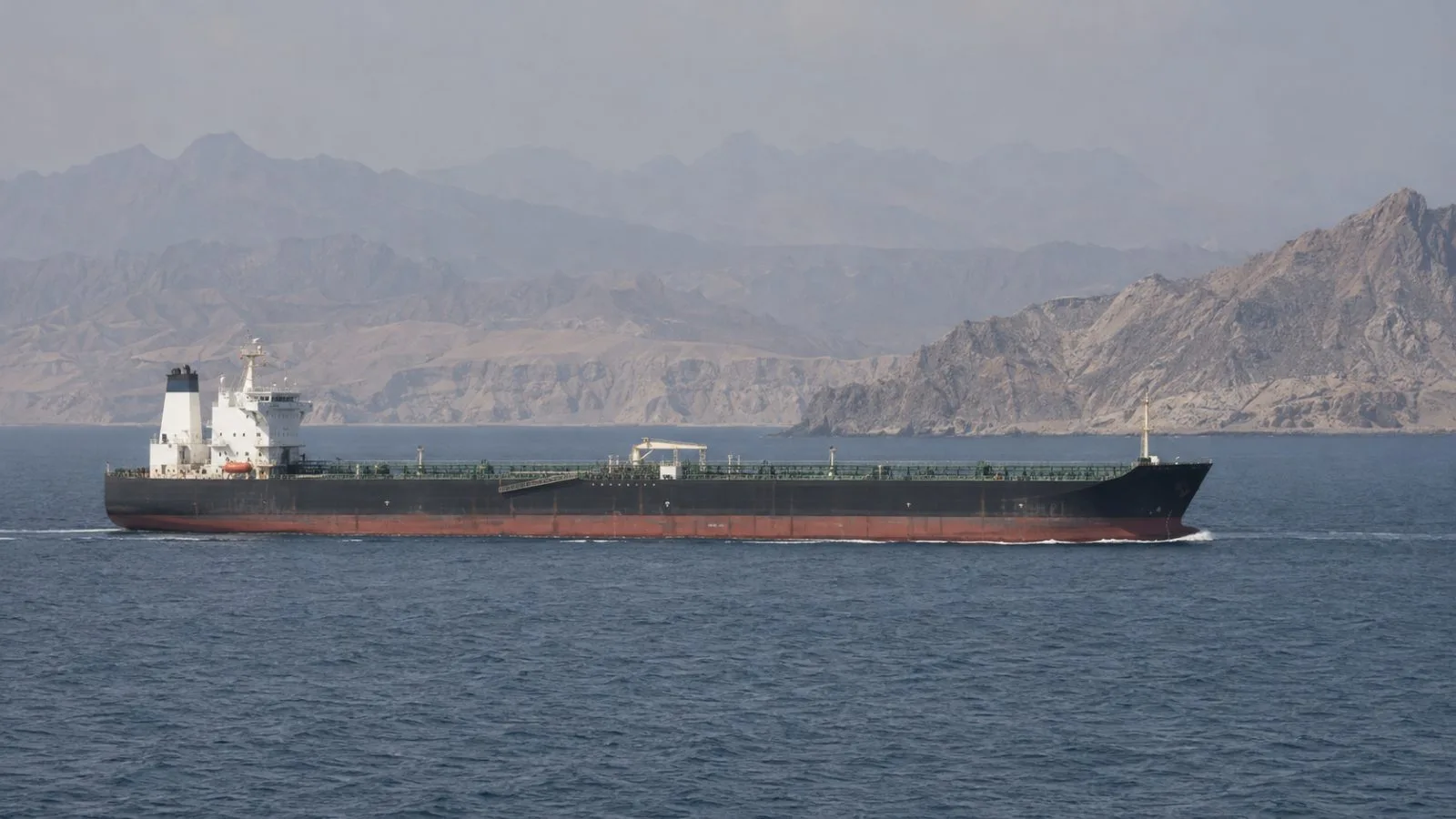
The Houthis' involvement raises serious concerns about Red Sea shipping disruptions, a route critical to global energy and trade flows. Brent crude surged more than 3%, crossing $115 per barrel on fears of prolonged supply interruptions.
On Friday, the S&P 500 fell 1.7%, the Nasdaq Composite dropped 2.2%, and the Dow Jones Industrial Average shed 1.7%. Technology stocks led the decline, with Nvidia falling over 2% after chip designer Arm unveiled a competing AI server platform. Meta and Alphabet also extended losses following a U.S. court ruling that held both companies liable in a social media addiction lawsuit.
Investors are closely watching diplomatic developments and oil market movements as the conflict continues to cloud the global economic outlook.