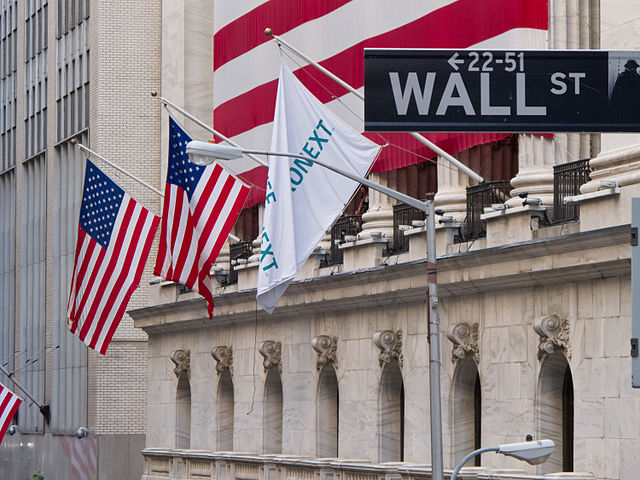
U.S. stock index futures edged higher on Sunday evening as investors looked for a recovery in technology and semiconductor stocks following last week’s sharp market sell-off. However, escalating geopolitical tensions in the Middle East continued to weigh on market sentiment after Iran launched missile strikes against Israel over the weekend.
S&P 500 futures gained 0.1% to 7,411.25, while Nasdaq 100 futures climbed 0.6% to 29,174.50. Dow Jones futures also rose 0.1% to 50,751.0, signaling a cautiously optimistic start to the trading week.
The rebound comes after Wall Street suffered significant losses on Friday, driven largely by a steep decline in technology and chipmaking stocks. Investors moved to lock in profits after an extended artificial intelligence-driven rally, while stronger-than-expected U.S. nonfarm payrolls data fueled concerns that interest rates could remain elevated for longer.
The Nasdaq Composite recorded its worst session since April 2025, plunging 4.2% to 25,709.43. The S&P 500 dropped 2.6% to 7,383.74, while the Dow Jones Industrial Average fell 1.4% to 50,866.78. Semiconductor stocks led the decline, with AI giant Nvidia falling more than 6% during Friday’s session.
Meanwhile, geopolitical risks intensified after Iran launched missile attacks on Israel in response to Israeli military operations targeting Hezbollah-linked positions in Lebanon. Reports suggest Israel is considering retaliatory measures, although U.S. President Donald Trump has urged restraint in hopes of preserving diplomatic efforts with Tehran.
The growing conflict has raised concerns about disruptions to global energy markets. Oil prices surged following the attacks, increasing fears of inflationary pressure and potential economic fallout. Higher energy costs, combined with resilient U.S. labor market data, have strengthened expectations that the Federal Reserve may maintain a restrictive monetary policy stance.
Investors will closely monitor developments in the Middle East, oil price movements, Treasury yields, and upcoming economic data for further direction in U.S. financial markets.