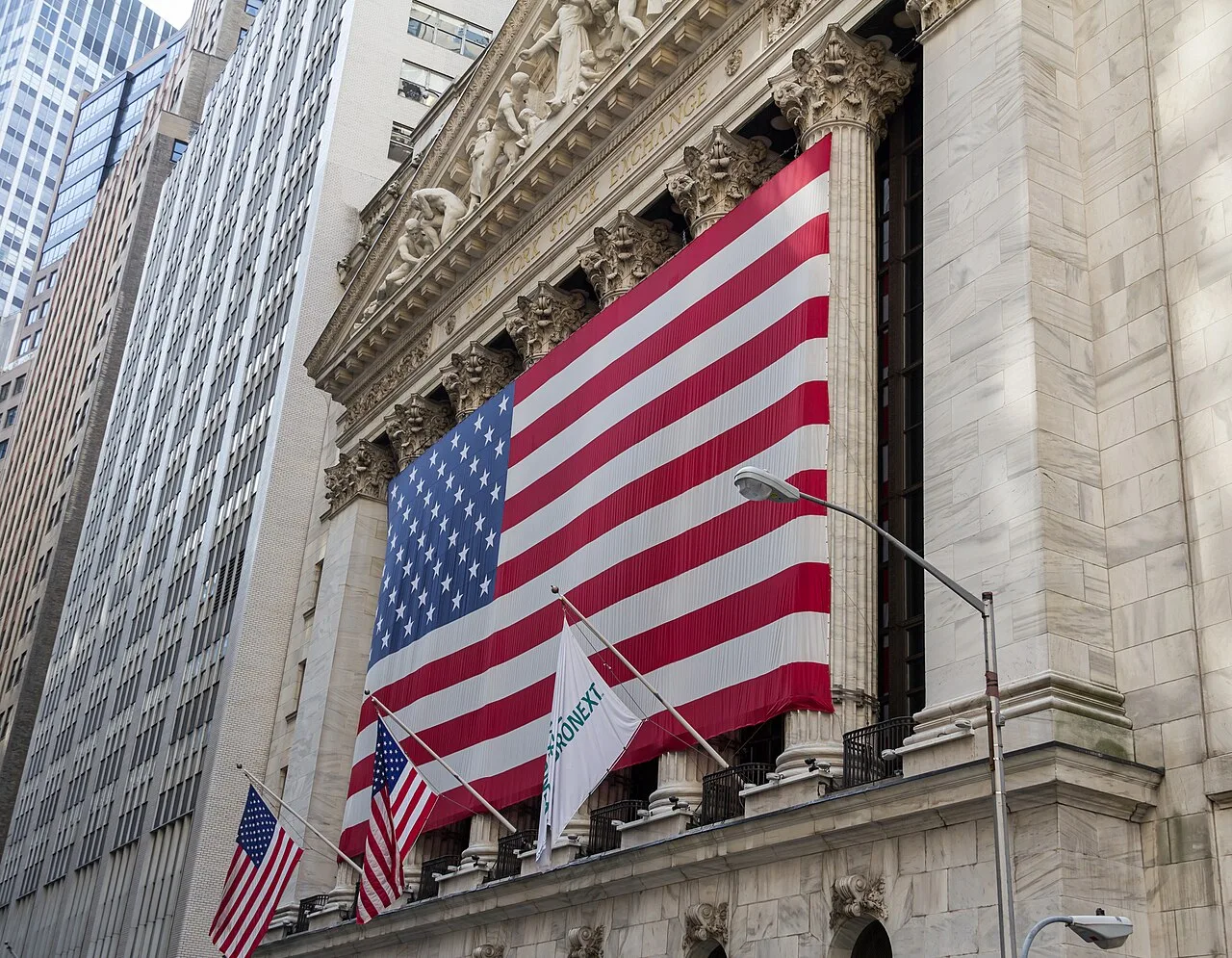
U.S. stock futures traded largely flat on Friday as declining Treasury yields helped stabilize Wall Street, although concerns over artificial intelligence investments, technology stock valuations, and persistent inflation continued to weigh on investor sentiment.
By 01:55 ET (05:55 GMT), S&P 500 futures slipped 0.1% to 7,802.00 points, while Nasdaq 100 futures edged up 0.1% to 30,173.25 points. Dow Jones futures gained 0.1% to 52,496.0 points.
Wall Street ended Thursday's session higher as investors shifted toward defensive stocks amid uncertainty surrounding the AI infrastructure boom. The Dow Jones Industrial Average advanced 1.1%, supported by healthcare and consumer goods shares, while the S&P 500 climbed 0.3%. The Nasdaq Composite posted a modest 0.1% gain.
Technology stocks remained under pressure as investors questioned whether growing AI demand could generate sufficient returns to justify massive investments in data centers, semiconductors, and cloud computing infrastructure.
Nvidia shares declined 1.8% on Thursday, while Dell Technologies and Hewlett Packard Enterprise plunged 6.9% and 7.1%, respectively. The Philadelphia Semiconductor Index dropped 0.9%, marking its seventh consecutive losing session.
AI infrastructure companies also faced increasing scrutiny over debt financing and capital expenditures. CoreWeave attracted attention for its substantial borrowing, while Oracle and other industry players faced questions about the long-term sustainability of AI-related spending.
Meanwhile, stronger-than-expected U.S. inflation data complicated the Federal Reserve's interest rate outlook. September producer prices recorded their sharpest increase in four and a half years, following Wednesday's hotter-than-anticipated consumer inflation report.
Despite inflation concerns, U.S. Treasury yields declined sharply Thursday, with the benchmark 10-year yield falling toward 5.09%, providing some relief for equity markets.
According to CME Group's FedWatch tool, investors assigned a 67% probability to a Federal Reserve rate hike by December.
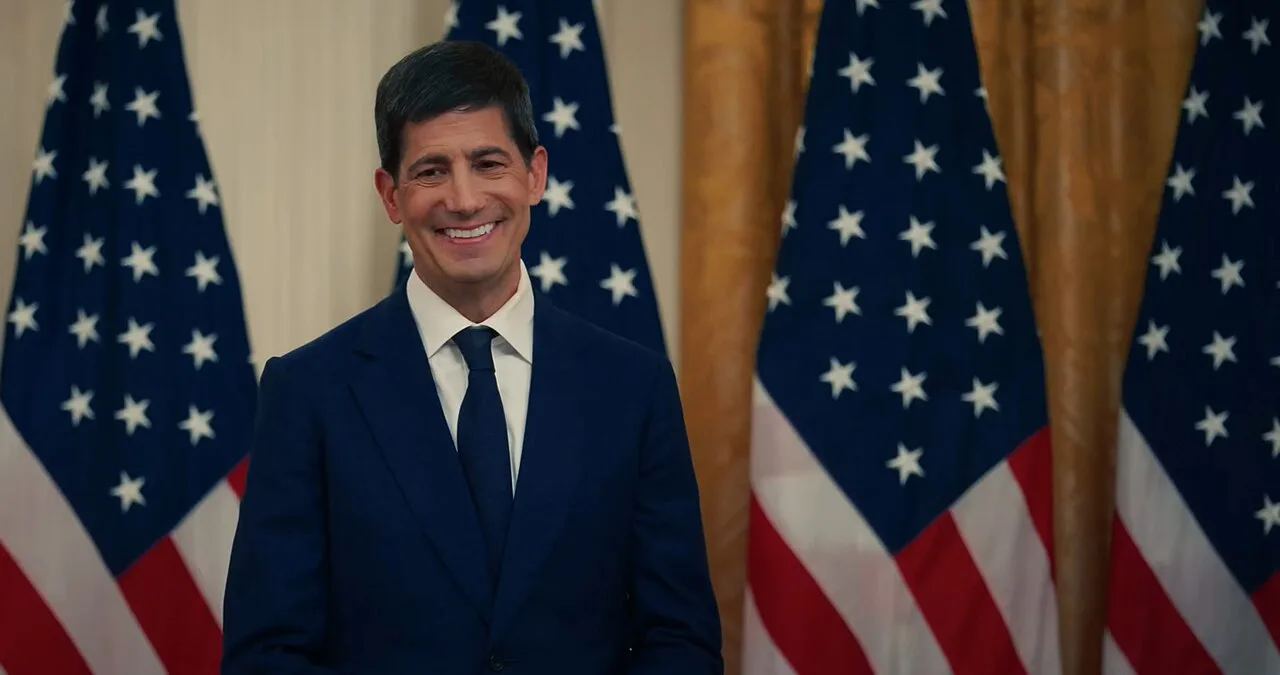
Federal Reserve Chair Kevin Warsh acknowledged persistent global inflation risks while highlighting economic resilience despite geopolitical uncertainty. Speaking at the International Monetary Fund's annual meetings, Warsh said the Fed had reduced monetary accommodation in September but offered no indication of its next policy decision.
He also emphasized AI's potential to improve productivity and support medium-term economic growth.
Investors now await further third-quarter corporate earnings for clearer signals on stock market valuations, technology spending, and the broader U.S. economic outlook.