


 Zelenskiy Warns Russia Is Preparing Massive Attack on Ukraine
  Russia Targets Danish Ukraine Suppliers in Sabotage Campaign
  North Korea Slams US Taiwan Arms Sales, Reaffirms Russia Support
  Trump Weighs FBI Probe Into Nolan Wells’ Death
  US, Greece Launch New Counterterrorism Security Program
  US-Led Coalition Targets Global Factory Overcapacity
  Houthis Strike Aden Airport as Yemen Fighting Escalates
  Mexico Bars Dual Citizens From Presidential Races Starting in 2028
  France Student Protests Intensify Nationwide
  JD Vance Says Iran Must Cut Nuclear Enrichment to End War
  Merz Warns of Extremism After AfD Gains Power in Saxony-Anhalt
  Becton Dickinson to Invest $3 Billion in U.S. Medical Manufacturing
  Saudi Airport Attacks Kill Three as Yemen Fighting Escalates
  San Francisco Halts New Data Center Construction With 45-Day Moratorium
  Vance Demands Iran Cut Nuclear Enrichment to End War
  Maduro, Wife May Face New US Torture Charges
  Mike Rogers Calls for End to US-Canada Tariff War


 Add as a preferred source on Google
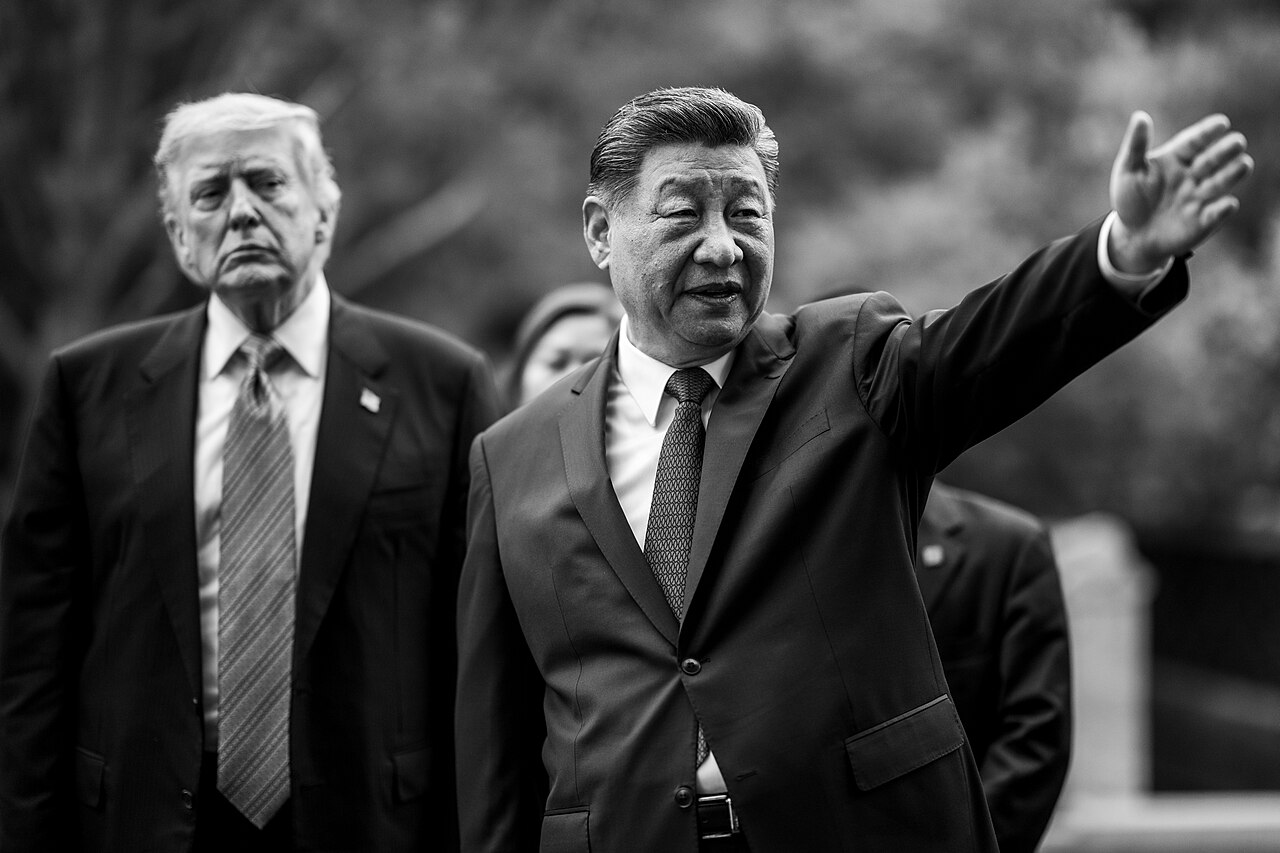
Taiwan’s top representative in Washington said US-Taiwan relations remain strong following last month’s summit between US President Donald Trump and Chinese President Xi Jinping, while urging Washington to ensure timely delivery of defense equipment to the island.
Alexander Yui, Taiwan’s de facto ambassador to the United States, told a symposium Wednesday that Washington had assured Taipei there was no change in its Taiwan policy. He said maintaining peace across the Taiwan Strait requires credible deterrence backed by military investment, training and reliable weapons deliveries.
Trump has delayed approval of a proposed $14 billion US arms package for Taiwan as he seeks to preserve warmer relations and a fragile trade truce with Beijing. The delay follows an $11 billion arms package approved in December. Trump previously described the pending package as a valuable negotiating tool in discussions with China.
China considers Taiwan part of its territory and has repeatedly demanded an end to US weapons sales to Taipei. Although Washington does not maintain formal diplomatic relations with Taiwan, US law requires it to provide the island with the means necessary for self-defense.
Yui welcomed the recent arrival of Taiwan’s first two new F-16 fighter jets as evidence of continued progress in defense cooperation. He said Taipei’s security preparations are not focused on a specific timeline, despite debate over whether China could take military action in 2027, 2028 or later.
Instead, Taiwan’s priority is to become stronger, more resilient and increasingly difficult to coerce, Yui said.
Taiwanese Foreign Minister Lin Chia-lung, speaking at the same event by video, described Taiwan and the United States as increasingly interconnected partners, pointing to cooperation in semiconductors, artificial intelligence and supply-chain security.
Lin also highlighted Taiwan Semiconductor Manufacturing Co.’s major investments in Arizona. TSMC, the world’s largest contract chipmaker, has committed tens of billions of dollars to manufacturing facilities in Phoenix, supported by US subsidies aimed at expanding domestic semiconductor production.
The investments underscore growing economic and strategic ties between Washington and Taipei as both sides strengthen cooperation in technology, supply chains and Taiwan’s defense capabilities.







