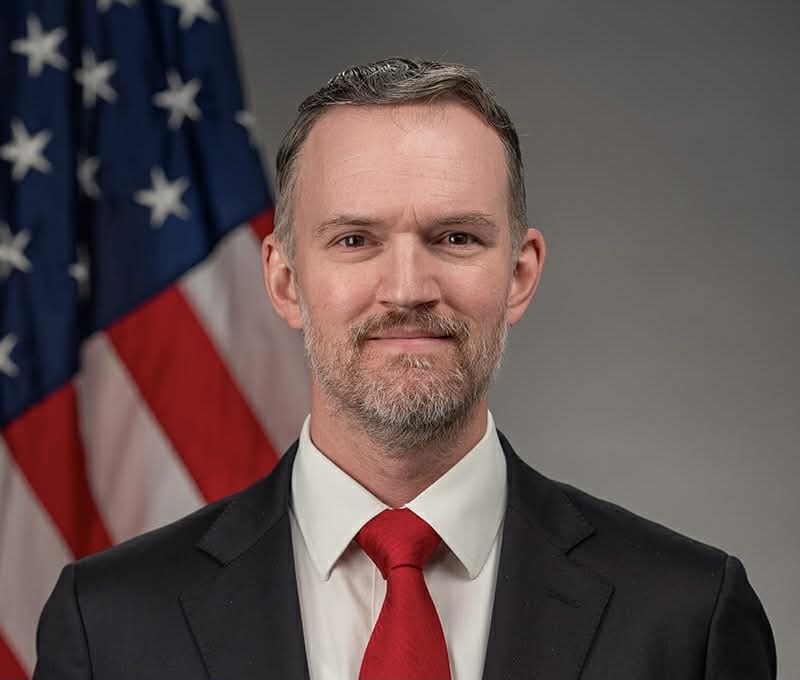
U.S. Trade Representative Jamieson Greer declared on Monday that the World Trade Organization will play only a marginal role in shaping future global trade policy, following a contentious ministerial meeting in Cameroon that ended in deadlock. Greer, a key architect of President Donald Trump's sweeping tariff strategy, voiced strong frustration over what he called a lack of seriousness among WTO member nations in pursuing meaningful reform.
The collapse of talks was largely triggered by Brazil and Turkey, who blocked an extension of a longstanding moratorium on e-commerce tariffs — a provision that had been routinely renewed for nearly three decades. The failure to extend this moratorium marked a significant turning point, signaling deep fractures within the multilateral trade body.
"I have always been skeptical of the value of the WTO, and this week's conference confirmed that this organization will play only a limited role in future global trade policy efforts," Greer stated in an official release issued roughly 24 hours after negotiations broke down.
Rather than pushing for internal WTO reform, Greer indicated Washington intends to pursue trade arrangements directly with like-minded nations outside the organization's framework. He noted that the U.S. has already secured commitments from dozens of countries — including nearly all major trading partners — to refrain from imposing tariffs on American digital transmissions.
Greer emphasized that if the WTO cannot reach agreement on what he described as a commonsense goal, the United States will build alternative coalitions to advance its trade agenda independently. This stance signals a broader U.S. shift away from multilateral institutions and toward bilateral and plurilateral trade diplomacy, potentially reshaping the architecture of international trade for years to come.