


 Ukraine Tests New Anti-Drone Weapon After Successful Shahed Intercept
  Trump Administration Removes Confederate Memorial Criticism From Arlington Website
  What is Zionism? The different meanings of a contested term
  FDA Weighs Safety Standards for Psychedelic Therapies
  Trump Rejects Calls for Tougher AI Regulation
  U.S. Imposes New Visa Restrictions Over South Africa Policies
  Saudi Arabia Raises Security Alerts as Houthi Attacks Threaten Oil Routes
  Trump Grants Clemency to Jay-Z Associate Emory Jones
  SEC Seeks ISS Client Voting Records in Proxy Adviser Probe
  Rodrigo Duterte Makes First Public Appearance at ICC in 18 Months
  Australia Plans New Rules Giving Users Control Over Social Media Feeds
  Ukraine Races to Counter Russia’s Faster Jet-Powered Drones
  Australia Defends Social Media Algorithm Law Amid US Concerns
  France Targets Shein, Temu With Fast-Fashion Fees
  Nvidia CEO Jensen Huang Expected at Trump-Xi State Dinner
  New Zealand Moves to Ban Social Media for Children Under 16
  US Immigration Arrests Surge as Deportations Lag Behind


 Add as a preferred source on Google
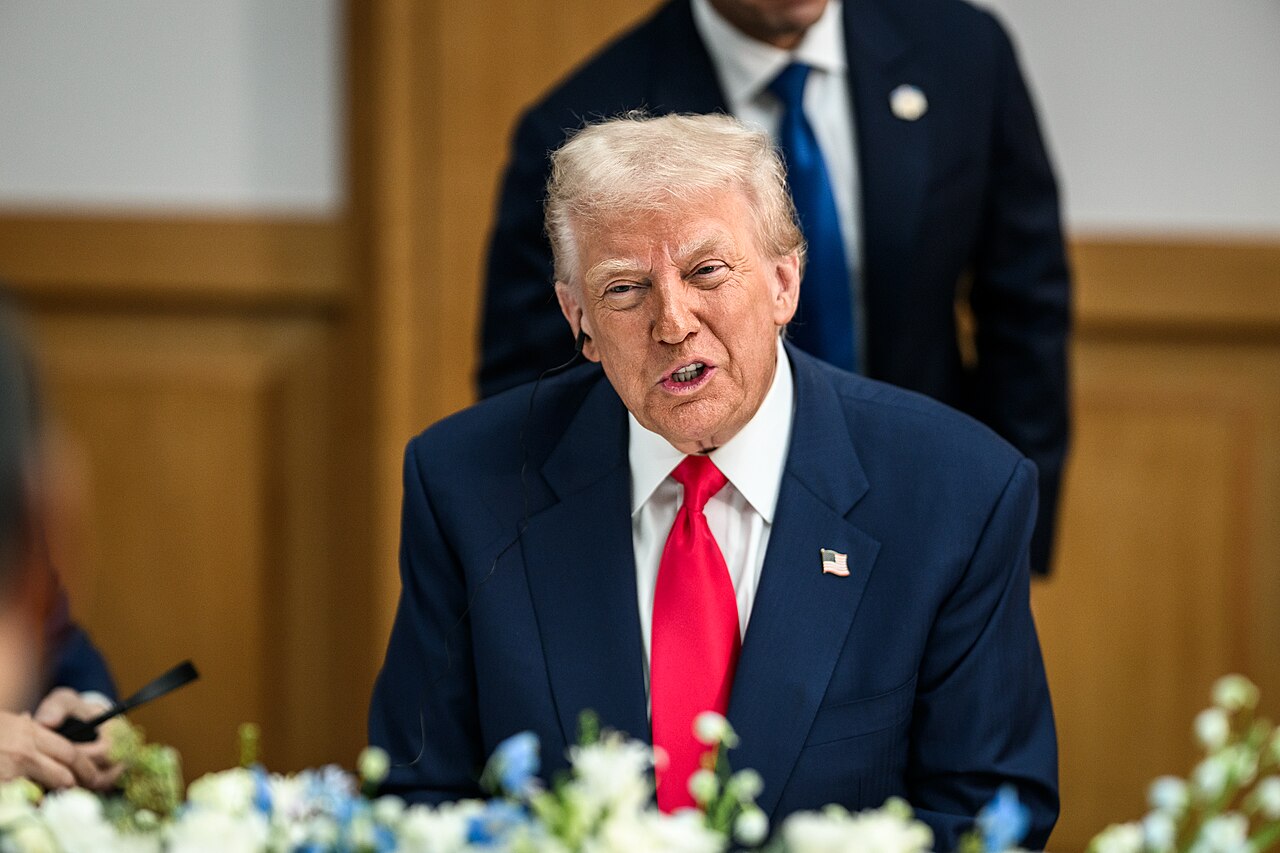
U.S. President Donald Trump signed an executive order on Friday aimed at removing restrictions that limit access to federal lands across the United States, according to a statement from the White House. The move is part of the administration’s broader effort to increase public access to federally managed lands while supporting economic development, outdoor recreation, and resource management initiatives.
The executive order directs federal agencies to review existing policies and regulations that may hinder access to public lands. The administration argues that reducing bureaucratic barriers will allow Americans to make greater use of federal lands for recreational activities, tourism, and other approved purposes. Supporters of the measure say it could boost local economies, create jobs, and encourage greater public engagement with natural resources.
Federal lands, which include national forests, grasslands, and other government-managed properties, cover millions of acres across the country. Access to these areas is often governed by a combination of environmental regulations, land-use policies, and conservation measures. The White House stated that the new order seeks to strike a balance between preserving natural resources and ensuring that the public can benefit from them.
The administration emphasized that federal agencies will continue to follow environmental protection standards while evaluating opportunities to improve access. Officials also noted that the review process will focus on identifying unnecessary restrictions that may prevent communities, businesses, and visitors from utilizing public lands effectively.
The executive order is expected to generate discussion among policymakers, environmental groups, and industry stakeholders. Advocates view the initiative as a step toward expanding recreational opportunities and economic growth, while critics may raise concerns about potential impacts on conservation efforts and protected ecosystems.
As the policy moves forward, federal agencies will begin assessing current regulations and determining how access to public lands can be expanded under the framework established by President Trump’s executive order. The development is likely to remain a significant topic in discussions surrounding public land access, environmental policy, and federal land management in 2026.







