


 Apple Cuts iPhone 18 Pro Production Orders Amid Weak Demand
  European Auto Stocks Rise as EU-China Trade Deal Targets Hybrid Imports
  Amazon Cuts More Jobs as AI Investment Expands
  Zcash Plans Quantum-Resistant Security Upgrade for January
  Solidigm Taps Goldman, Morgan Stanley for $10 Billion US IPO
  Trump Sanctions International Criminal Court, Sparking EU Backlash
  US Authorities Raid Ilhan Omar’s Home Amid Immigration Fraud Probe
  US Condemns China Sanctions on Taiwan Allies Belize and Paraguay
  Apple Names Steve Smith M&A Chief in Leadership Shakeup
  Trump Denies Russia and China Are Helping Iran in U.S. Conflict
  Jordan Bardella Antisemitism Allegations Threaten Le Pen’s Campaign
  Greenland Lawmakers Back Trump Security Deal Despite Economic Concerns
  Anthropic Launches Claude Dashboards and Motion AI Tools
  OpenAI Revenue Hits $50 Billion, Below Earlier $70 Billion Estimate
  Yandex Data Center Hit by Drone Strike as Russia-Ukraine Cyber Infrastructure Attacks Escalate
  Zelenskiy Offers Russia Energy Truce Amid Trump Pressure


 Add as a preferred source on Google
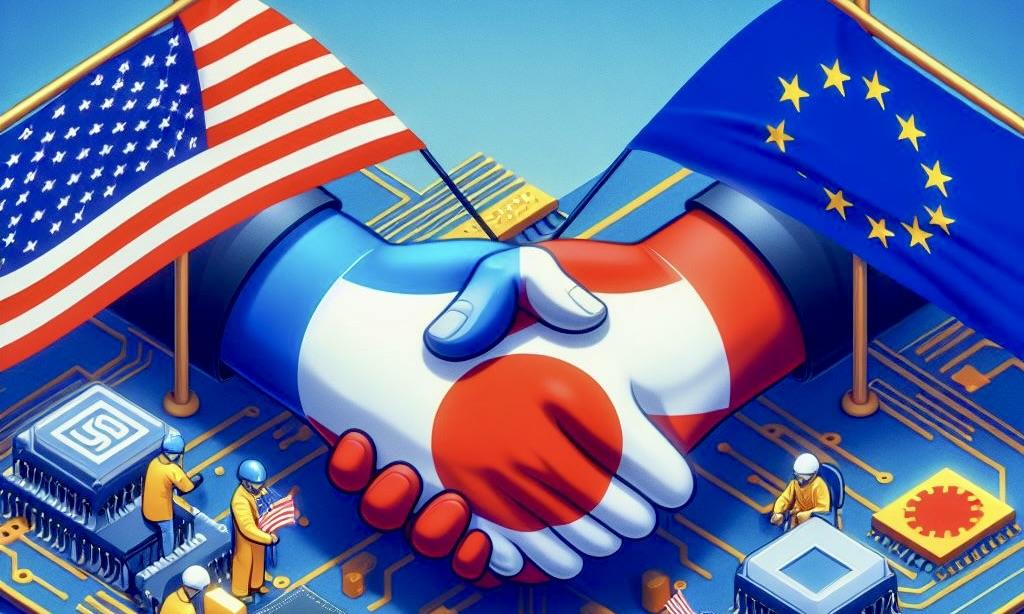
Japan and the United States are poised to deepen ties in the high-tech sector, signaling a strategic move to enhance their global partnership with a focus on artificial intelligence and semiconductor cooperation.
Strengthening Bilateral High-Tech Ties
According to the Asahi Shimbun newspaper(via Reuters), during a forthcoming joint statement, Japan and the United States are set to expand their cooperation in cutting-edge fields, including artificial intelligence (AI). This declaration is anticipated when Prime Minister Fumio Kishida meets with President Joe Biden in the United States next month.
The engagement, marked by Kishida's official visit on April 10, is expected to underscore the "global partnership" between the two nations, emphasizing a concerted push towards collaborative advancements in AI and semiconductors, though specific sources were not cited.
Asahi Shimbun reports that this agreement may create a framework for AI research and development, engaging tech giants such as Nvidia, Arm, and Amazon. This initiative underscores a significant step in bilateral relations, aiming to leverage the strengths of both nations in the face of global technological challenges.
Expanding Collaborations Beyond Bilateral Borders
Parallel to the Japan-U.S. accord, Japan and the European Union (EU) are gearing up to initiate dialogue on cooperation in developing innovative materials for next-generation processors and batteries. This effort seeks to mitigate their reliance on China for critical resources. Iliana Ivanova, the EU Commissioner for Innovation and Research, expressed in a written interview with the Business Daily the mutual benefits such a collaboration could bring.
The proposed framework, responding to an EU request and set to launch as early as April, aims to reduce dependency on China for essential commodities like rare metals. US News states that these materials are integral to various applications, including electric vehicle batteries, highlighting a strategic move to diversify sources and enhance technological resilience.
These developments mark a significant shift in international technology partnerships, indicating a broader attempt to foster innovation, secure supply chains, and address global challenges collaboratively.
Photo: Microsoft Bing







