


 Trump Administration Pauses Visa Appointments Worldwide
  Trump Imposes New Tariffs on Drone Imports Over US Security Concerns
  FAA to Pause Reagan National Airport Flights for Freedom 250 IndyCar Race
  New Mexico Measles Outbreak Cost Reached $5.4 Million, Study Finds
  France Targets Shein, Temu With Fast-Fashion Fees
  GSK Unveils $2.52 Billion Cost-Cutting Plan to Accelerate Drug Pipeline
  Novo Nordisk Eyes Turnaround as Oral Wegovy Challenges Eli Lilly in Weight-Loss Drug Race
  FDA Investigates New Cyclospora Outbreak as U.S. Cases Continue to Rise
  Countries Tighten Social Media Bans for Children
  Google Changes EU Spam Policy Amid Antitrust Scrutiny
  Should I take zinc or eat oysters to ward off colds, boost my immune system or improve fertility?
  SEC Proposes ‘Regulation Crypto Assets’ Framework for Crypto Fundraising
  Brazil Warns EU of Retaliation Over Animal Products Ban
  Judge Blocks Trump Mail Voting Order Ahead of 2026 Midterms
  Trump Grants Clemency to Jay-Z Associate Emory Jones
  Moderna Wins FDA Approval for mFLUSIVA mRNA Flu Vaccine for Adults 50+
  SEC Sues Former Tricolor Executives Over $1.9 Billion Investor Fraud Scheme


 Add as a preferred source on Google
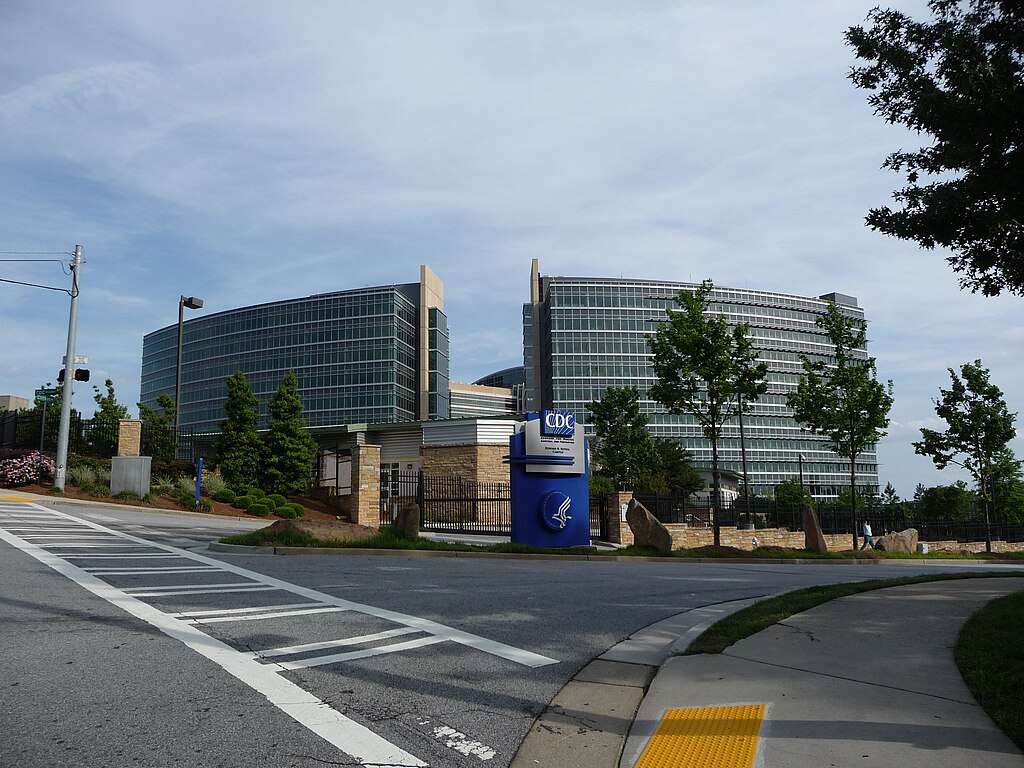
U.S. health officials are closely monitoring a recent Andes hantavirus outbreak linked to a luxury cruise ship after three people died earlier this month. The White House and Health Secretary Robert F. Kennedy Jr. are receiving daily updates on the situation as authorities work to prevent further spread of the deadly virus.
According to U.S. Centers for Disease Control and Prevention (CDC) Acting Director Jay Bhattacharya, there are currently no confirmed hantavirus cases in the United States, and officials say the overall public health risk remains low. However, 41 U.S. residents are under observation for possible exposure to the Andes virus. Among them, 18 passengers had already returned to the United States before the outbreak was officially identified. These individuals are now being quarantined in Nebraska and Atlanta as a precautionary measure.
The CDC has issued updated guidance to help health agencies identify and monitor people who may have been exposed during the cruise. Dr. David Fitter, who is leading the CDC’s hantavirus response team, explained that individuals who were onboard the ship between April 6 and May 10 are considered high-risk contacts. The first known patient reportedly became ill on April 6, while the last passenger left the vessel on May 10.
Additional high-risk individuals include anyone who had close and prolonged contact with infected patients, including exposure to bodily fluids or sitting near infected travelers during flights. Health officials stressed that Andes hantavirus does not spread easily between people, unlike more contagious respiratory viruses.
The CDC recommends that high-risk contacts remain at home for six weeks, avoid unnecessary interaction with others, and immediately isolate themselves if symptoms appear. Public health experts continue monitoring the outbreak closely as concerns grow over the government’s initial response and broader preparedness for emerging infectious diseases in 2026.







