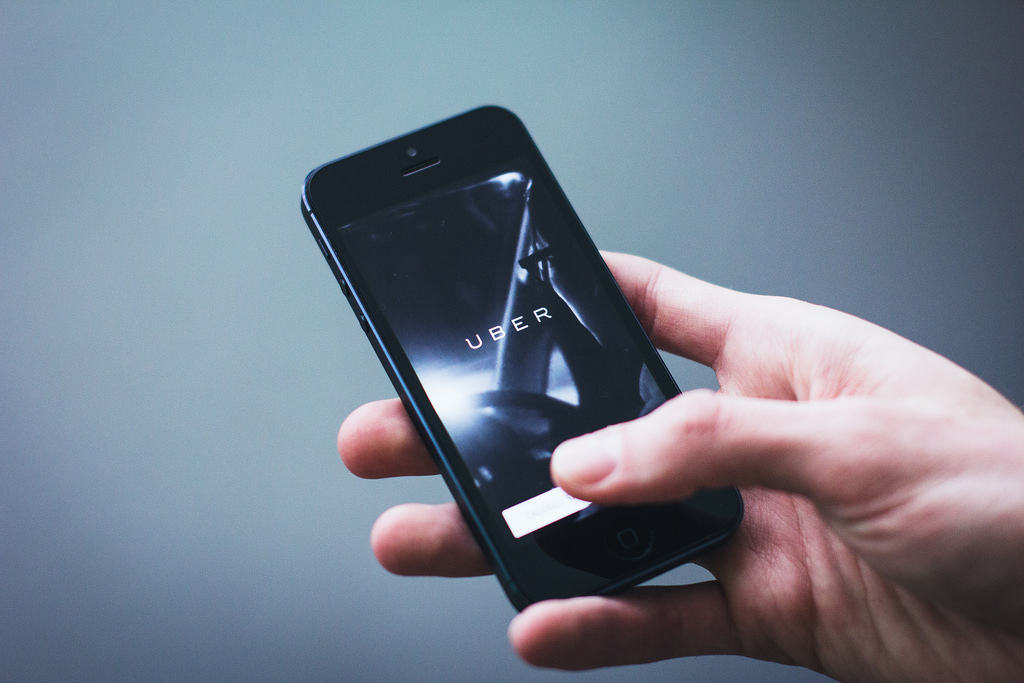
Just in time for the cab hailing company’s launch of self-driving vehicles in San Francisco, Uber released its quarterly financial report for Q3. As it turns out, even with its net revenue at $1.7 billion, the cab company still lost $800 million. This adds more trouble for Uber during a year of devastating financial losses.
According to a source within the company, Uber has lost a total of $2.2 billion over the last nine months of 2016, Bloomberg reports. This was only expected as the cab hailing company wore out its welcome in China, the world’s second-biggest market for cab hailing services. Even with its losses, however, Uber has continued to defy expectations with rising net revenue.
During the same nine months that it lost billions, Uber also generated $3.76 billion, and that’s after leaving China. This means that the biggest global cab hailing service in the world is on its way to generating $5.5 billion by the end of the fiscal year. It would seem that the China exit hasn’t hurt the company’s valuation either, which stands at $69 billion right now. On paper, it’s basically bigger than General Motors, which makes actual cars.
As to why Uber had to leave China, to begin with, the company had essentially given up trying to compete with its local counterpart, DiDi Chuxing. The two companies have been locked in bitter competition over the last two years, with Uber spending billions in marketing in order to capture a significant chunk of the Chinese market.
Unfortunately for the American cab hailing service, this simply didn’t work, Fortune reports. As a result, Uber had to sell its assets and properties to the same company that it has tried to defeat in the first place. Now, DiDi is the undisputed king of cab hailing in China, but it seems Uber isn’t doing too badly either.