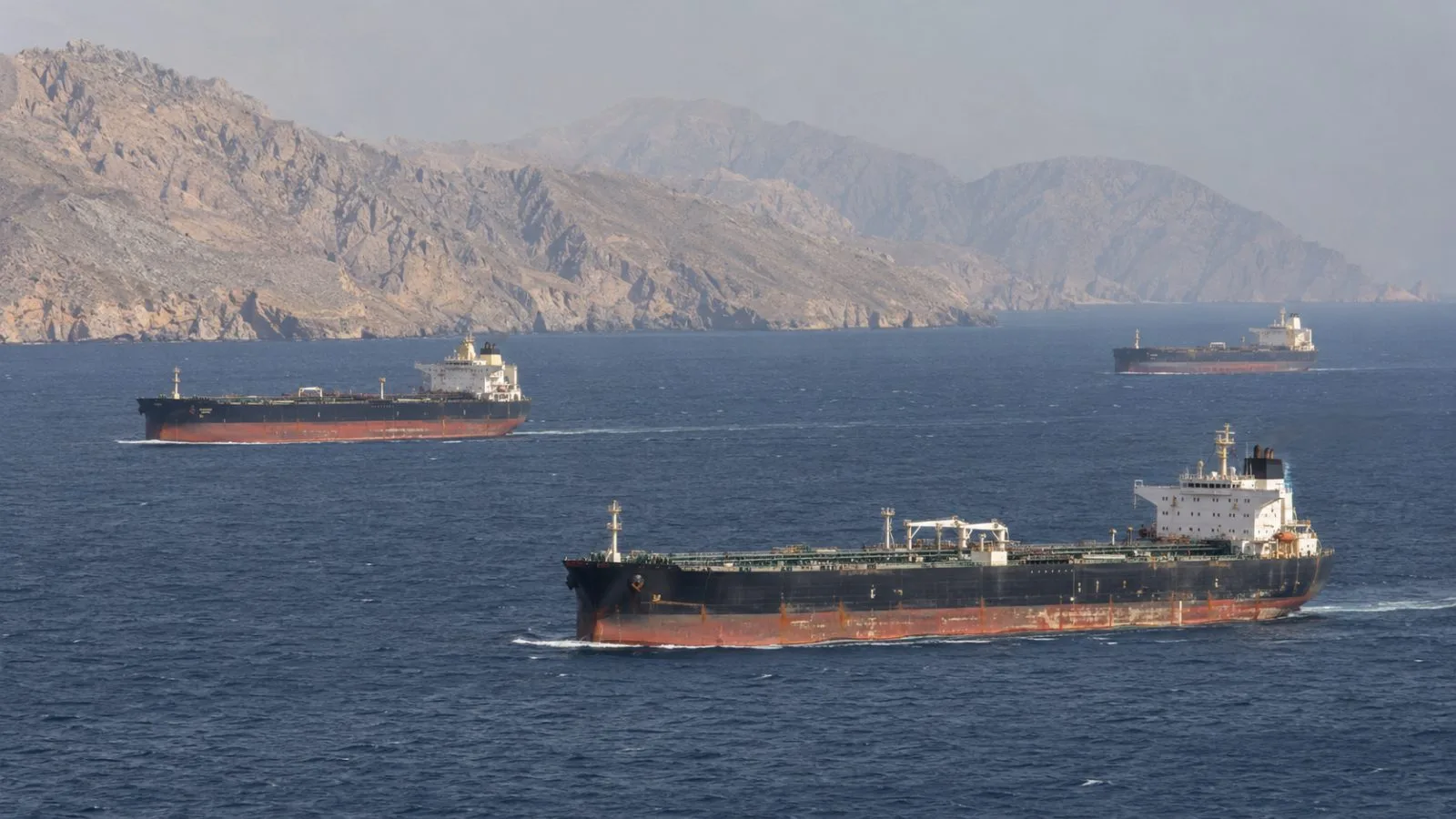
With shipping through the Strait of Hormuz disrupted, U.S. Vice President JD Vance said Monday that an Iran deal remained possible as Washington and Tehran held to competing conditions.
Vance said Washington wanted a commitment it could verify that Tehran would not rebuild its nuclear program. He also said he had several conversations with Iranians, without specifying whether they were direct, the Associated Press reported.
Iranian Foreign Minister Abbas Araghchi said Qatar and Pakistan were mediating and Tehran had presented terms for a diplomatic settlement, Iran’s Islamic Republic News Agency (IRNA) reported. IRNA said in a Nov. 1 report that Doha consultations had ended without a settled result.
The positions leave the sides at odds over what must happen first. Iran’s Foreign Ministry spokesperson said the seven-step proposal had been shortened so it could take effect within two days, Reuters reported. The terms include ending the U.S. blockade on Iranian ports and reopening passage through Hormuz; Tehran says nuclear negotiations would follow only after its conditions are accepted.
The conflict began with U.S. and Israeli strikes on Iran on Feb. 28, Reuters reported, and has hindered shipping through the strait. The Pentagon estimated U.S. military spending on the war at $47.1 billion through Oct. 16, in figures provided to Congress, AP reported. AP also reported that higher gasoline prices tied to the war had weighed on Republicans ahead of the election.
Diplomatic efforts are unfolding alongside reports of possible renewed strikes. AP, citing two regional officials and another person familiar with a weekend call, reported that Israeli Prime Minister Benjamin Netanyahu urged President Donald Trump to consider strikes after Tuesday’s midterm elections. AP said Trump did not commit to military action and the White House did not directly address the call.
ABC News reported Oct. 22, citing two Israeli sources, that the U.S. and Israeli militaries had drawn up plans for joint strikes. The outlet quoted White House spokesperson Anna Kelly as saying the United States would not attack Iran before the Nov. 3 midterms. AP separately reported that U.S. officials warned regional allies to prepare for possible renewed action and retaliation; diplomats told AP Trump had not made a final decision. AP also reported that the United States and Israel had twice attacked Iran while it was engaged in nuclear negotiations.
Qatari mediators traveled to Tehran Monday to discuss a draft proposal, Reuters reported. AP sources said more mediated talks were planned during the week.