


 Trump Threatens EU Tariffs Over Canada Membership Proposal
  Banking scandal rocks Brazil’s politics and the country’s presidential election in October
  Trump Hopes Iran War Nears End as Yemen Fighting Escalates
  US Allies Fear Trump Could Soften Taiwan Stance in Xi Talks
  US Immigration Arrests Surge as Deportations Lag Behind
  Trump Eyes End to Iran War, Plans Gulf Leaders Meeting
  U.S. Probes Apex Logistics Over Nvidia AI Chip Shipments to China
  U.S. Imposes New Visa Restrictions Over South Africa Policies
  Guterres Urges Stronger Global AI Safeguards Ahead of UN Assembly
  US Bans Canadian Alcohol, Motorcycles as Trade War Escalates
  US Officials Meet Houthis in Oman Amid Yemen Offensive
  Paris Talks Focus on Lebanon Army Needs as UNIFIL Exit Looms
  Trump Administration Pauses Visa Appointments Worldwide
  Trump Grants Clemency to Jay-Z Associate Emory Jones
  France Targets Shein, Temu With Fast-Fashion Fees
  Texas Republicans Turn Against AI Data Centers as Election Backlash Grows
  DOJ Will Investigate AI-Related Crimes, Attorney General Blanche Says


 Add as a preferred source on Google
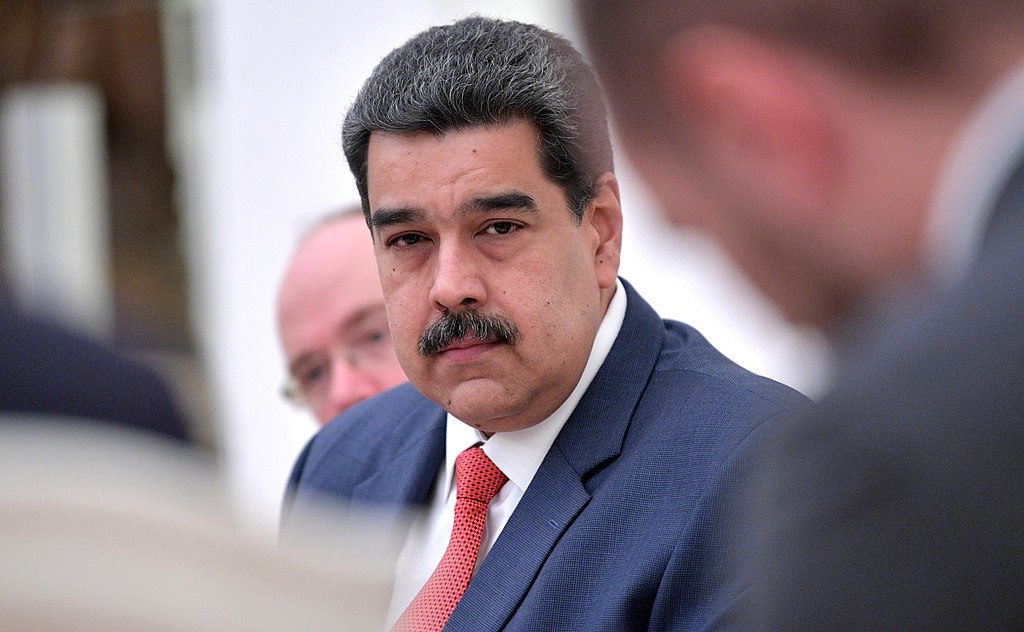
Venezuela’s government has released 88 additional people who were detained following protests that erupted after the country’s disputed July 2024 presidential election, marking the second large-scale release of detainees in less than two weeks. The move brings the total number of people freed to 187, following a previous announcement that 99 detainees were released on December 26, according to official statements.
The New Year’s Day release was confirmed by the Venezuelan government, which said the actions were part of a “comprehensive review process of cases” ordered by President Nicolás Maduro. Authorities have framed the releases as a routine judicial reassessment rather than a response to international or domestic pressure.
However, local human rights organizations have offered a more cautious assessment. The Committee for the Freedom of Political Prisoners, a Venezuelan non-governmental organization, stated it had independently verified the release of at least 55 prisoners. According to the group, all but one of those confirmed releases came from the Tocorón prison in central Venezuela, a facility that has drawn international attention for its harsh conditions.
Following the earlier December release, several NGOs questioned whether the government had freed as many detainees as it claimed. Venezuelan human rights groups estimate that roughly 900 political prisoners remain in detention across the country, including individuals arrested well before the 2024 election. These organizations argue that many detainees were targeted for their political views or participation in protests.
The Maduro government continues to deny holding political prisoners, insisting that those imprisoned were involved in efforts to destabilize the nation. Officials argue that detained politicians and activists violated Venezuelan law rather than being persecuted for political reasons.
The recent releases come amid heightened pressure from the administration of U.S. President Donald Trump, who has publicly suggested that Maduro should step aside. The United States has increased its military presence in the Caribbean, carried out strikes on vessels near Venezuela it claims were transporting drugs, and seized two Venezuelan crude oil tankers, further escalating tensions between the two countries.
The situation remains closely watched by the international community, as questions persist over human rights, political freedom, and Venezuela’s post-election stability.







