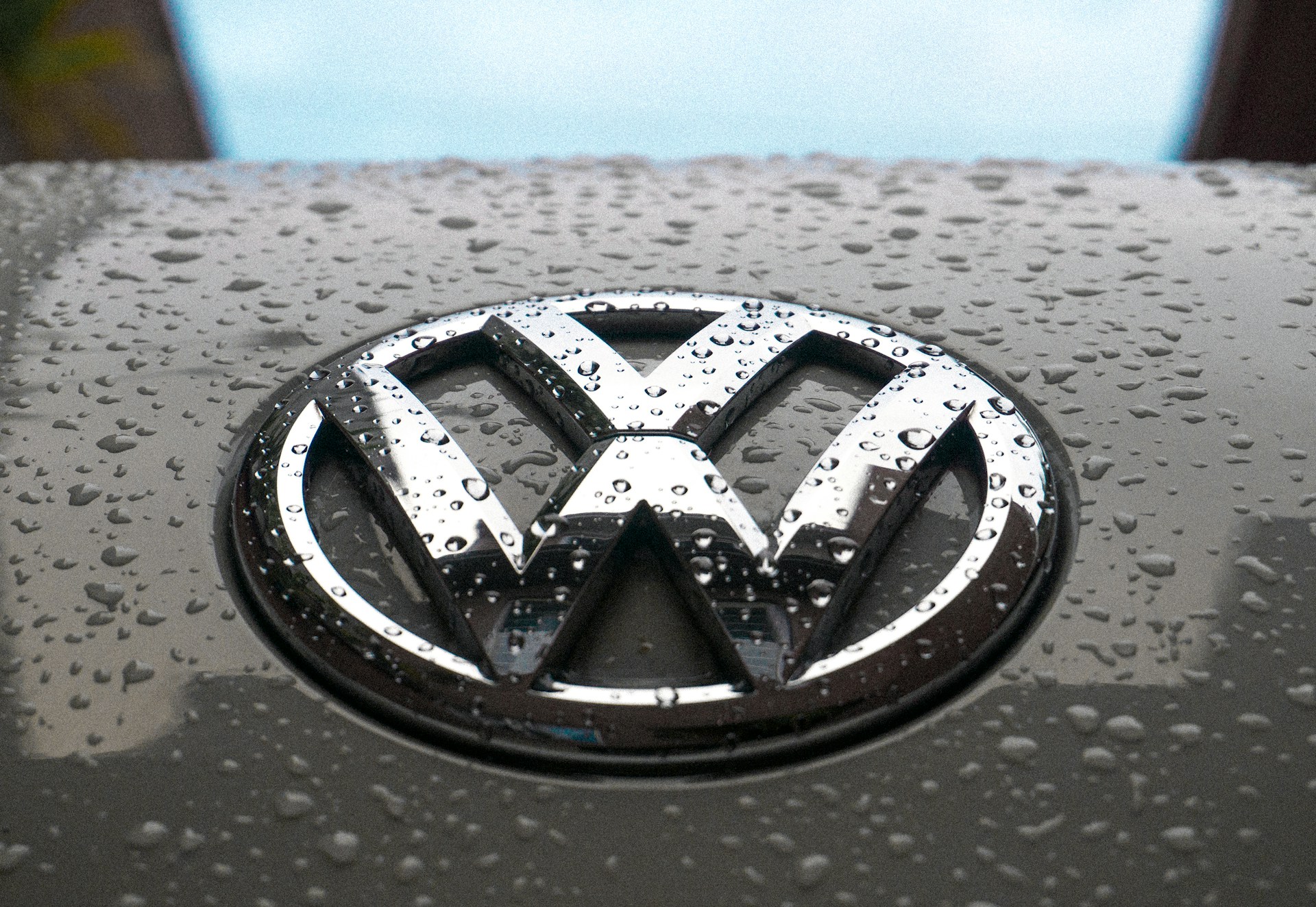
Volkswagen’s supervisory board has approved a sweeping transformation plan that will cut about 50,000 additional jobs worldwide as Europe’s largest automaker responds to U.S. tariffs, excess production capacity and intensifying competition from Chinese carmakers.
The restructuring, described as the most extensive in Volkswagen’s 89-year history, also involves examining alternatives for four German factories that are expected to run out of assigned vehicle models during the next decade.
The affected plants are located in Emden, Zwickau, Neckarsulm and Hannover. Industry analyst Ferdinand Dudenhoeffer said discussions about their future are expected over the next 10 months, with model production at the facilities scheduled to begin phasing out from 2031 onward.
The agreement also reduces the immediate risk of a major confrontation between Volkswagen management, labor unions and Lower Saxony, the company’s second-largest shareholder. Management had previously considered calling an extraordinary general meeting to advance restructuring measures despite opposition from workers and the German state.
Volkswagen’s plan will simplify its complex corporate structure while limiting the supervisory board’s influence over some major decisions. Unions and Lower Saxony together hold a majority on the board.
CEO Oliver Blume described the agreement as an important step toward securing Volkswagen’s future and protecting its broader industrial operations and workforce.
Investors welcomed the development, with Volkswagen shares in Frankfurt closing 7.9% higher following the announcement. The rally reflected relief that weeks of difficult negotiations had produced an agreement rather than escalating into a deeper corporate crisis.
Dudenhoeffer characterized the agreement as more of a “ceasefire” than a permanent resolution, but said the reduced tension should allow Volkswagen to concentrate more closely on its business challenges.
Volkswagen continues to face significant pressure from U.S. import tariffs and weakness in China, historically one of its most important markets. Chinese automakers have also become increasingly formidable competitors, particularly in electric vehicles.
The company said another fundamental adjustment to its global workforce was necessary. The latest Volkswagen job cuts will eliminate roughly 50,000 positions worldwide, on top of another 50,000-job reduction already underway.
Volkswagen has not disclosed when the additional cuts will be completed or how they will be divided among its brands, factories and geographic markets.