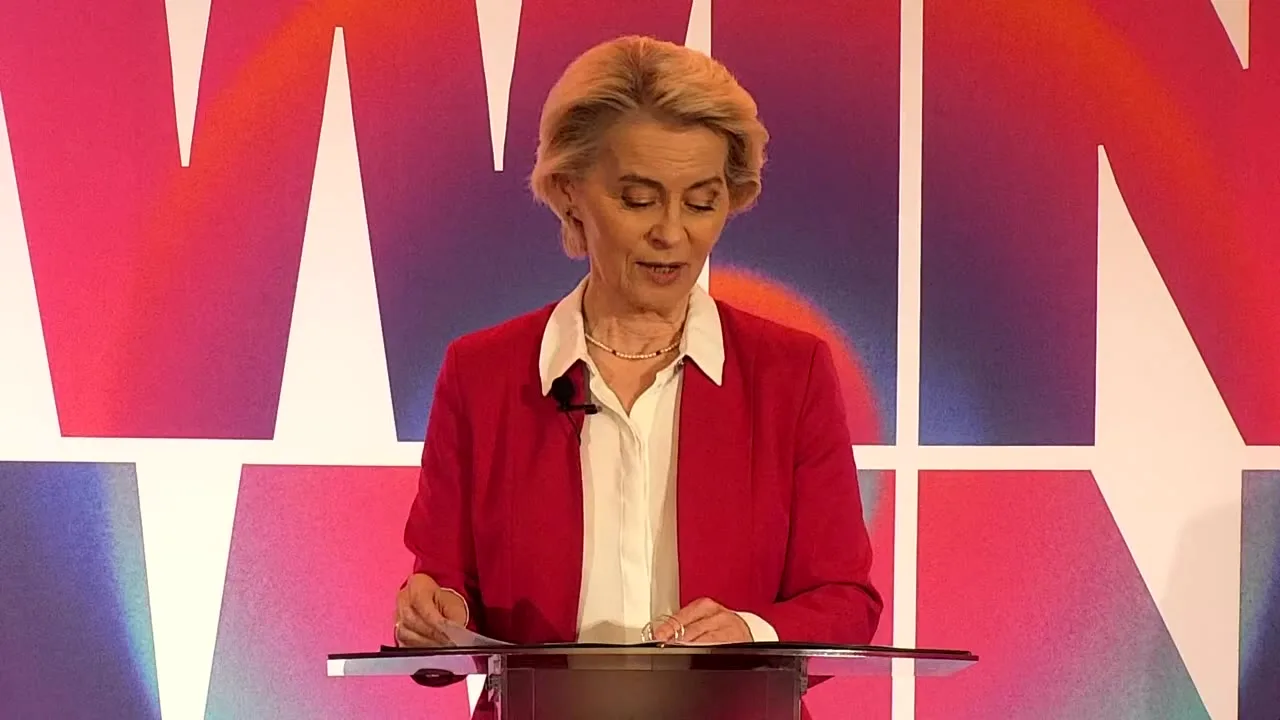
Europe will maintain its commitment to cut emissions by 90% by 2040 and support clean industries, European Commission President Ursula von der Leyen said on Nov. 3, promising certainty for investors.
The pledge accompanied proposals to help businesses expand across the EU and use artificial intelligence in industry. She addressed the WinWin Summit in Brussels in remarks carried on the European Parliament's own channel.
The commitments and figures reflect the institutions' own account. Her remarks supplied no timetable or funding breakdown for a proposed industrial decarbonization bank, intended to help factories cut emissions.
The Commission aims to attract €100 billion through that bank to support industrial changes. Europe also maintains its goal of becoming the first climate-neutral continent by 2050, balancing emissions with their removal.
Von der Leyen put investment in sustainable activities across the EU since 2021 at more than €1.2 trillion. She presented maintaining climate targets as a way to give those investments long-term certainty.
The global clean technology market grows by around 20% annually in her account. She called for Europe to develop and manufacture those technologies, alongside using them.
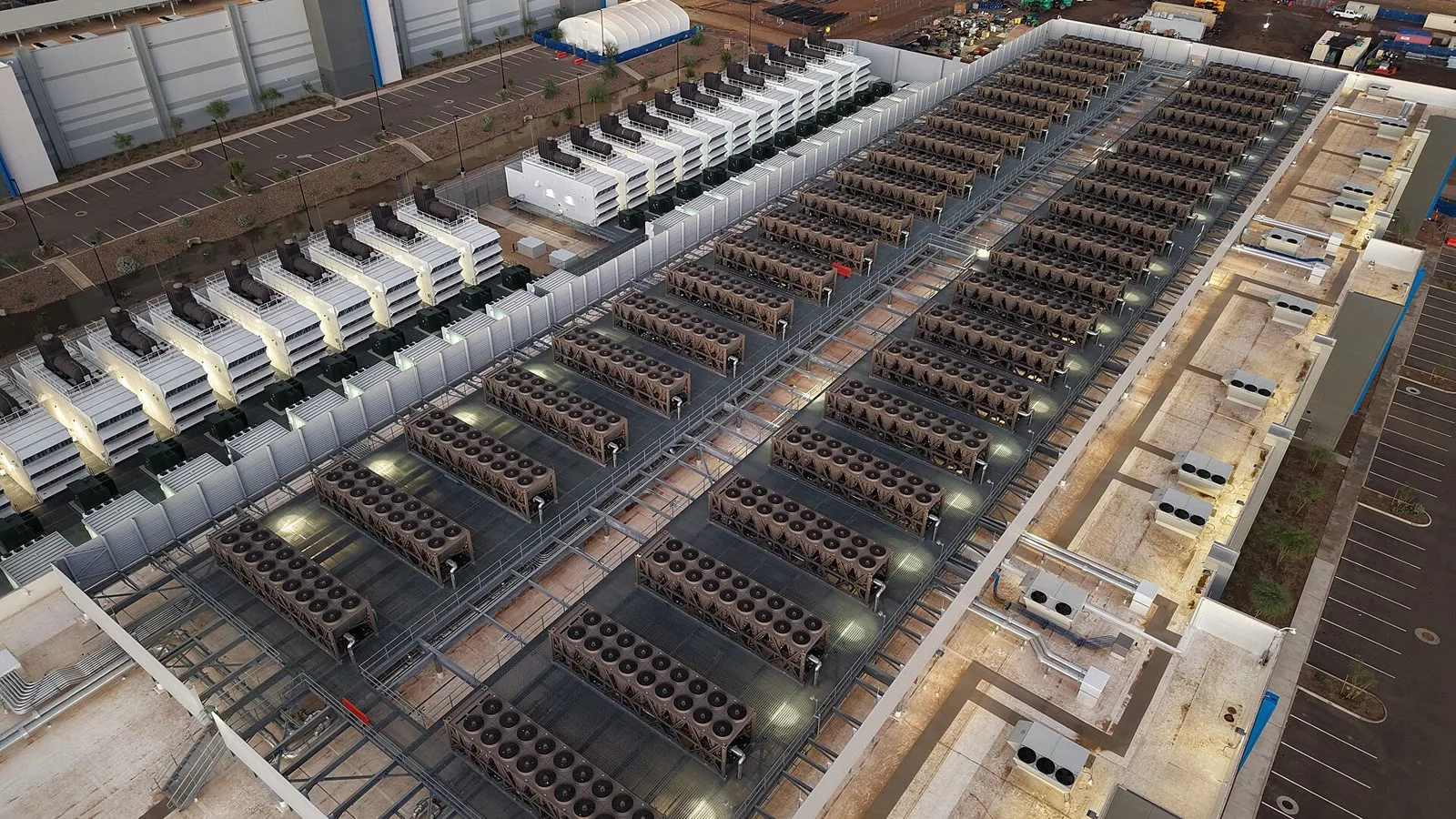
The EU's emissions trading system, which charges covered businesses for releasing greenhouse gases, has generated more than €270 billion in revenue. Emissions in covered sectors have fallen around 50% since its introduction, while the economy has grown 30%.
On business rules, von der Leyen backed the Commission's EU Inc. proposal for a single company form across Europe. Entrepreneurs currently face 27 legal systems and more than 16 national company forms.
The proposal would let entrepreneurs establish a business fully online from anywhere in Europe within 48 hours for less than €100. It would help them expand across the bloc's market of 450 million people.
The Commission has submitted the proposal, but negotiations with Parliament and the Council remain open. Von der Leyen sought support to preserve its simplicity through those talks.
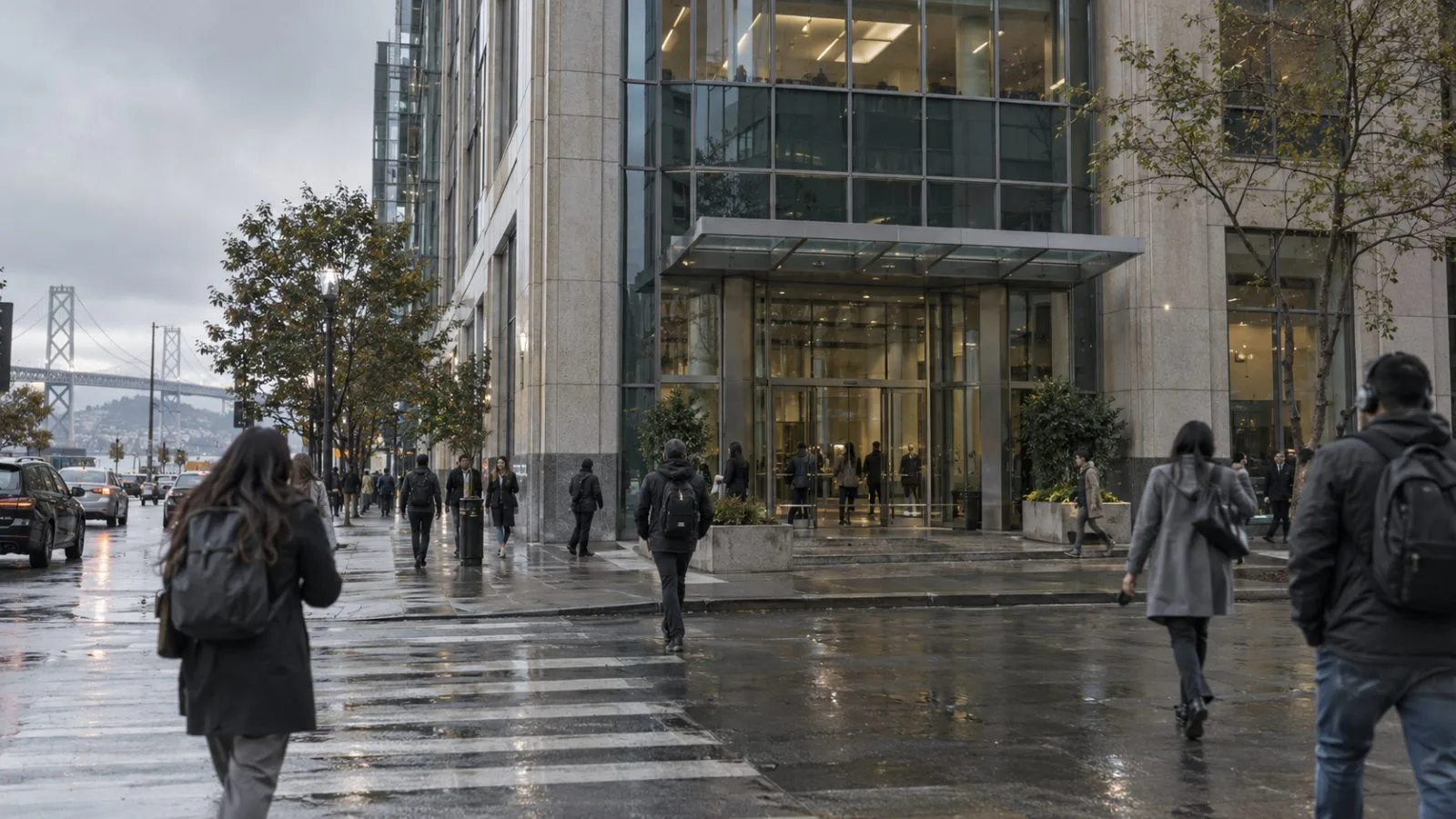
She put the capital raised by growing European businesses at typically 50% less than that raised by counterparts in San Francisco. Businesses seeking hundreds of millions of euros often look across the Atlantic.
The European Scaleup Fund brings together public and private investors to finance growing companies. In two months, it invested in eight businesses and helped them raise close to €5 billion.
Those businesses develop technologies including reusable spacecraft, artificial intelligence chips and radar satellites that can see through clouds. Von der Leyen linked the financing effort to keeping growing companies in Europe.
She also sought a single approval process for autonomous vehicles. Once approved, a technology should be available for companies to use throughout the EU without further barriers, although she gave no implementation date.
Her examples of artificial intelligence included identifying machinery problems before equipment breaks down and detecting breast cancer earlier. She put the reduction in mortality among women attending mammography screening at around 30% to 40%.
She also put the potential reduction in accidents involving pedestrians from autonomous vehicles at more than 90%. The remarks did not identify the evidence behind either estimate.
Europe accounts for almost 30% of global clean technology patents, while almost one in three quantum companies worldwide is based in the EU, in the Commission president's account. She framed turning scientific discoveries into businesses as Europe's challenge.