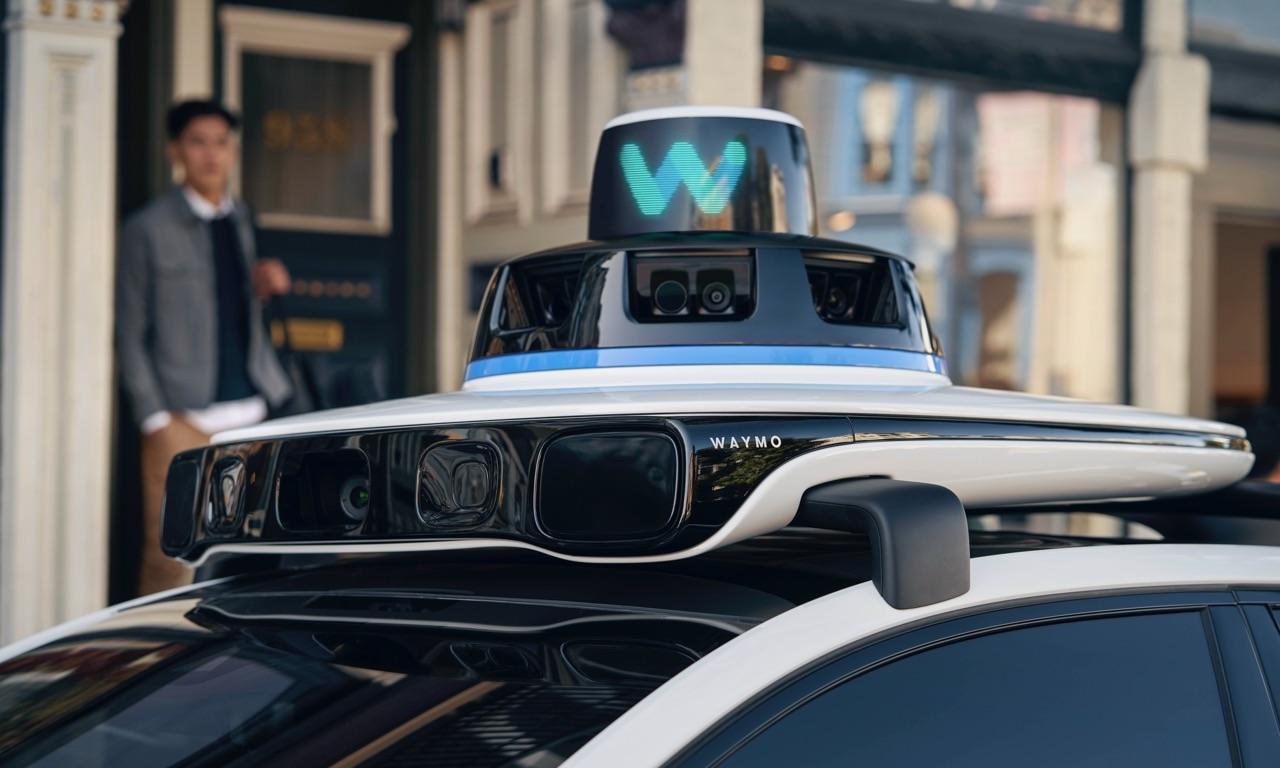
Waymo, Alphabet’s (NASDAQ: GOOGL) autonomous vehicle subsidiary and the largest robotaxi operator in the United States, has stated that its remote personnel do not directly control its self-driving cars during U.S. operations. The clarification comes as lawmakers increase scrutiny over the company’s use of overseas workers and remote assistance teams.
In a recent blog post and a letter addressed to Senator Edward Markey, Waymo emphasized that its “remote assistance agents” provide guidance and operational support to the Waymo Driver system but do not steer, drive, or directly control the vehicles. According to the company, about 70 remote assistance agents are on duty globally at any given time. Their responsibilities include coordinating with emergency responders and offering situational advice to the autonomous driving system.
Waymo acknowledged that, in rare cases, remote personnel could move a vehicle a short distance if necessary. However, the company stated that such interventions have not occurred outside controlled training environments. For more complex or urgent situations, Waymo relies on its U.S.-based Event Response Team, which handles emergent tasks requiring higher-level oversight.
The company operates four support locations in Arizona, Michigan, and two cities in the Philippines to manage its expanding robotaxi fleet. Lawmakers have raised concerns about the transparency and safety protocols surrounding these remote operations. Senator Markey, in a February 3 letter, called for more detailed disclosures regarding Waymo’s policies. Representative Buddy Carter has also urged the Department of Transportation to investigate the company’s use of overseas remote workers.
Waymo’s operations have drawn heightened attention following a late-January incident in Santa Monica, California, where one of its driverless taxis struck a child outside an elementary school. With more than 2,500 autonomous vehicles deployed across major U.S. cities, Waymo remains at the center of the evolving debate over robotaxi safety, remote vehicle monitoring, and the future of self-driving technology.