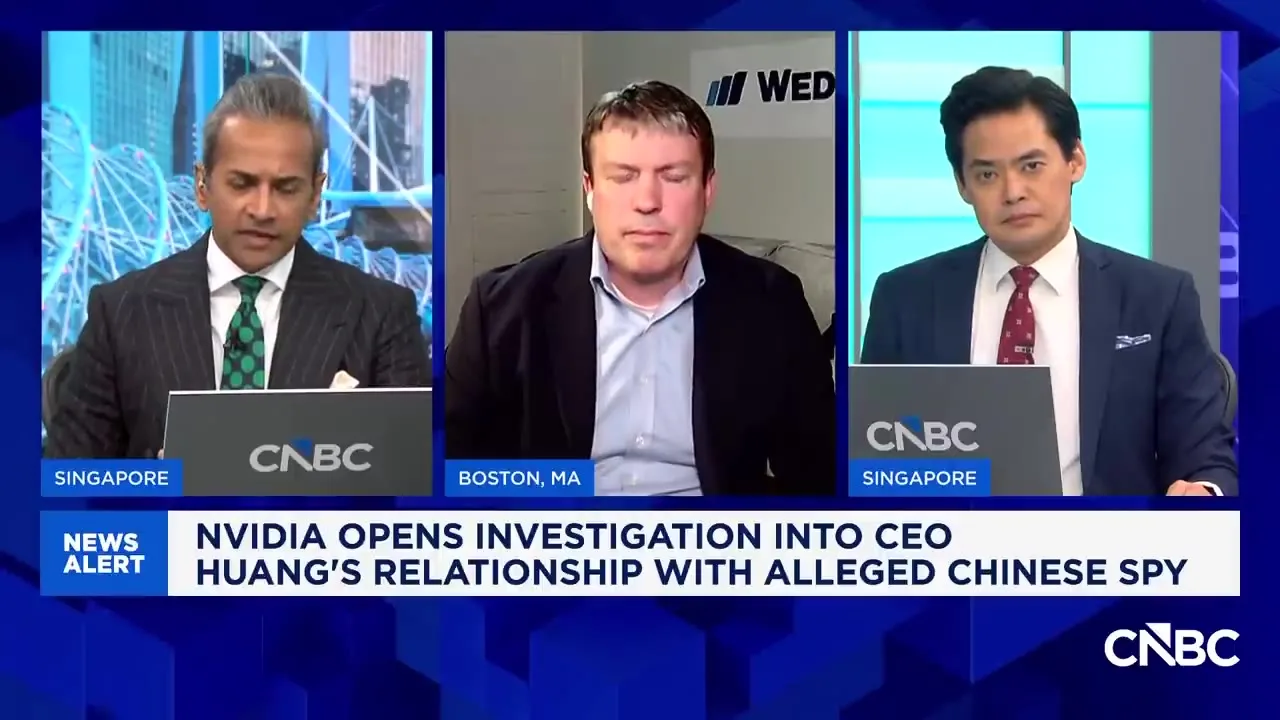
Nvidia Chief Executive Jensen Huang is unlikely to leave the company based on historical precedent, though government findings could influence the outcome, Wedbush analyst Matt Bryson said in an interview.
A resolution could take well into next year. His assessment left open both what U.S. authorities might find and whether Huang would consider stepping aside.
In the CNBC International interview published Nov. 10, Bryson described Nvidia as unusually dependent on Huang, with decisions concentrated at the top. He estimated that Huang directly manages about 60 executives.
That structure makes Nvidia's direction harder to judge if Huang leaves. Bryson compared Huang's influence with Steve Jobs' role at Apple before Tim Cook emerged, while contrasting Nvidia with AMD, where other executives could potentially take on responsibilities held by Lisa Su.
Bryson's investment case rested on Nvidia's position as the largest supplier of artificial intelligence chips and the pace of its growth. He cited Nvidia's projection of 70% growth next year and predicted the figure would be higher, although the exchange did not specify what measure would grow.
Using his own estimates for Nvidia's fiscal 2028, Bryson put its valuation near 10 times, without identifying the financial measure behind that multiple. He described the fiscal year as only three months away. He could not recall finding a company growing at that pace with such a low valuation.
On the possibility of Huang losing his job, Bryson questioned whether previous executive departures offered a useful comparison. He referred to departures at Intel and HP, but distinguished those circumstances from the questions surrounding Huang.
The unresolved issue was whether a relationship discussed in the interview had given Mega Speed or China an advantage. Bryson referred to access to graphics processing units, chips used for AI computing, in Singapore in 2024. He expressed doubt that Huang had shared Nvidia's confidential information.
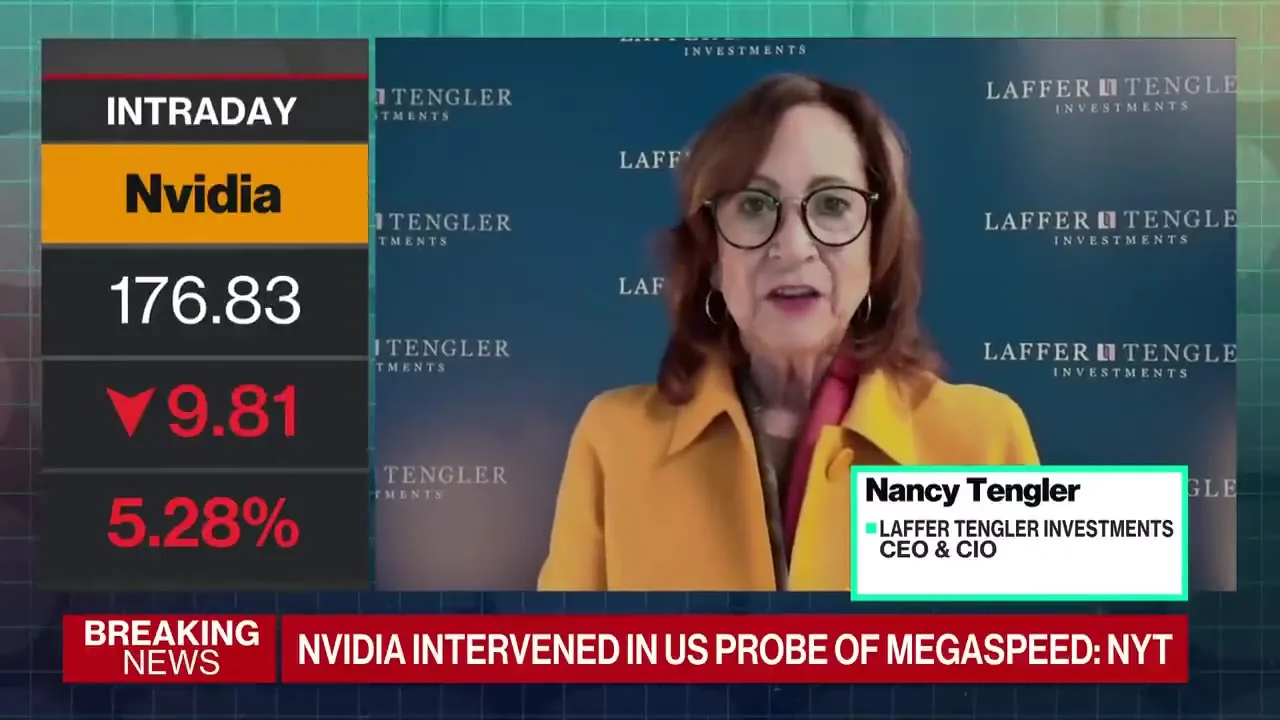
Bryson linked Nvidia's share decline to the company's dependence on Huang. He described the stock as falling about 4% that day, while most stocks he followed rose 5% or more. The interview did not identify those other stocks.
He expected the uncertainty to persist beyond the next month or two, with an outcome depending partly on U.S. government findings. He described the Justice Department's approach under the administration as relatively lenient and cited its handling of Super Micro as a comparison.
Asked whether Huang should take leave, Bryson declined to speculate about his personal circumstances. Any professional decision would depend partly on whether Huang believed his conduct had affected Nvidia's business. “Without being Jensen, without being inside Nvidia, I think it's really, really hard to say,” he said.