Oil prices climbed Friday as incidents in Saudi Arabia and around the Strait of Hormuz raised concern about Gulf supply, lifting the U.S. benchmark to its strongest settlement in nearly six months.
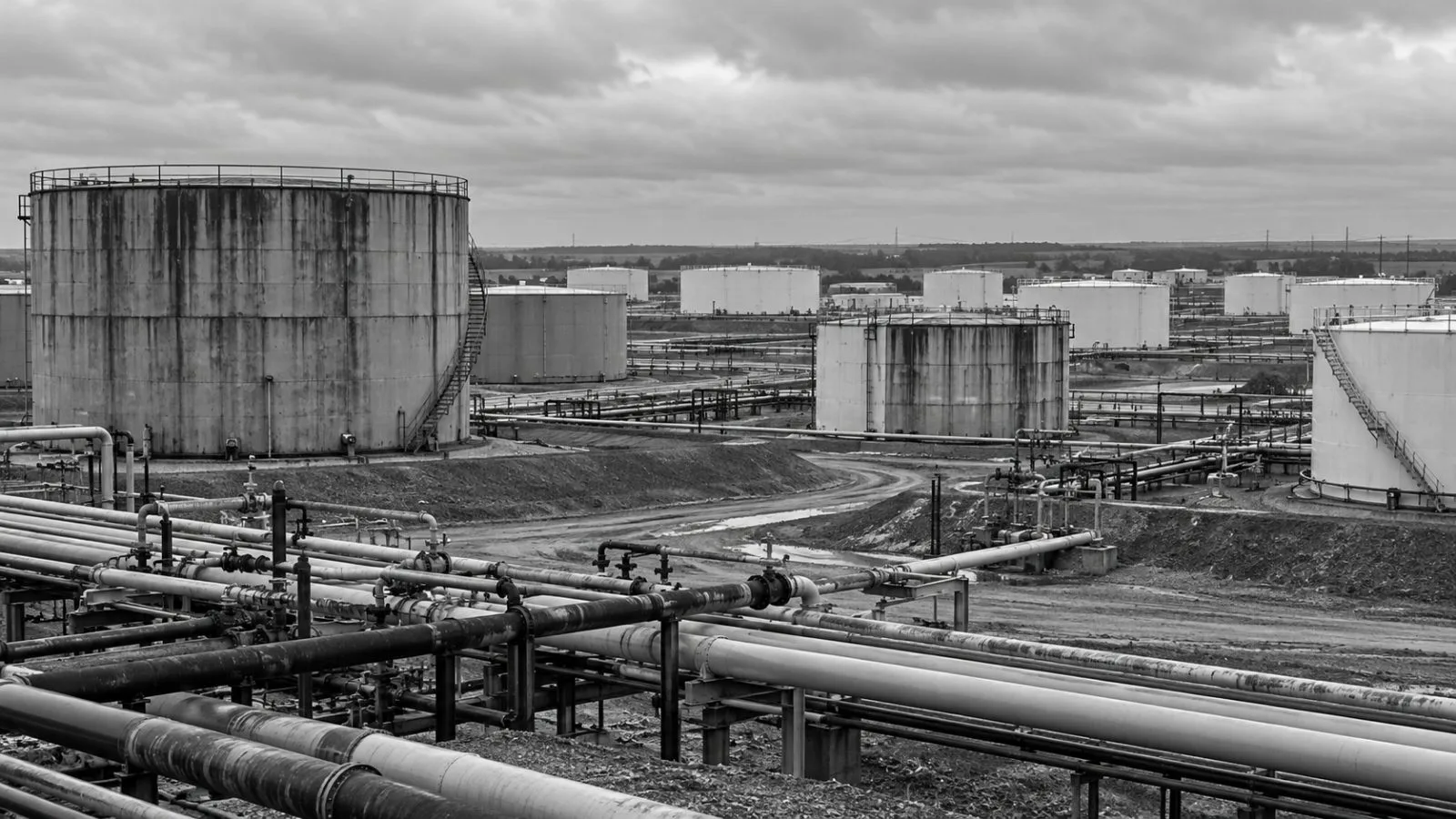
West Texas Intermediate (WTI) crude futures settled at $103.27 a barrel on Oct. 23, up $3.80, or 3.8%, Reuters reported. Brent crude ended at $116.72, gaining $3.55, or 3.14%, for its highest settlement since April 29, the news agency said. “Fears of supply disruptions drove the advance,” Adam Turnquist, chief cross-asset strategist at LPL Financial, told Reuters.
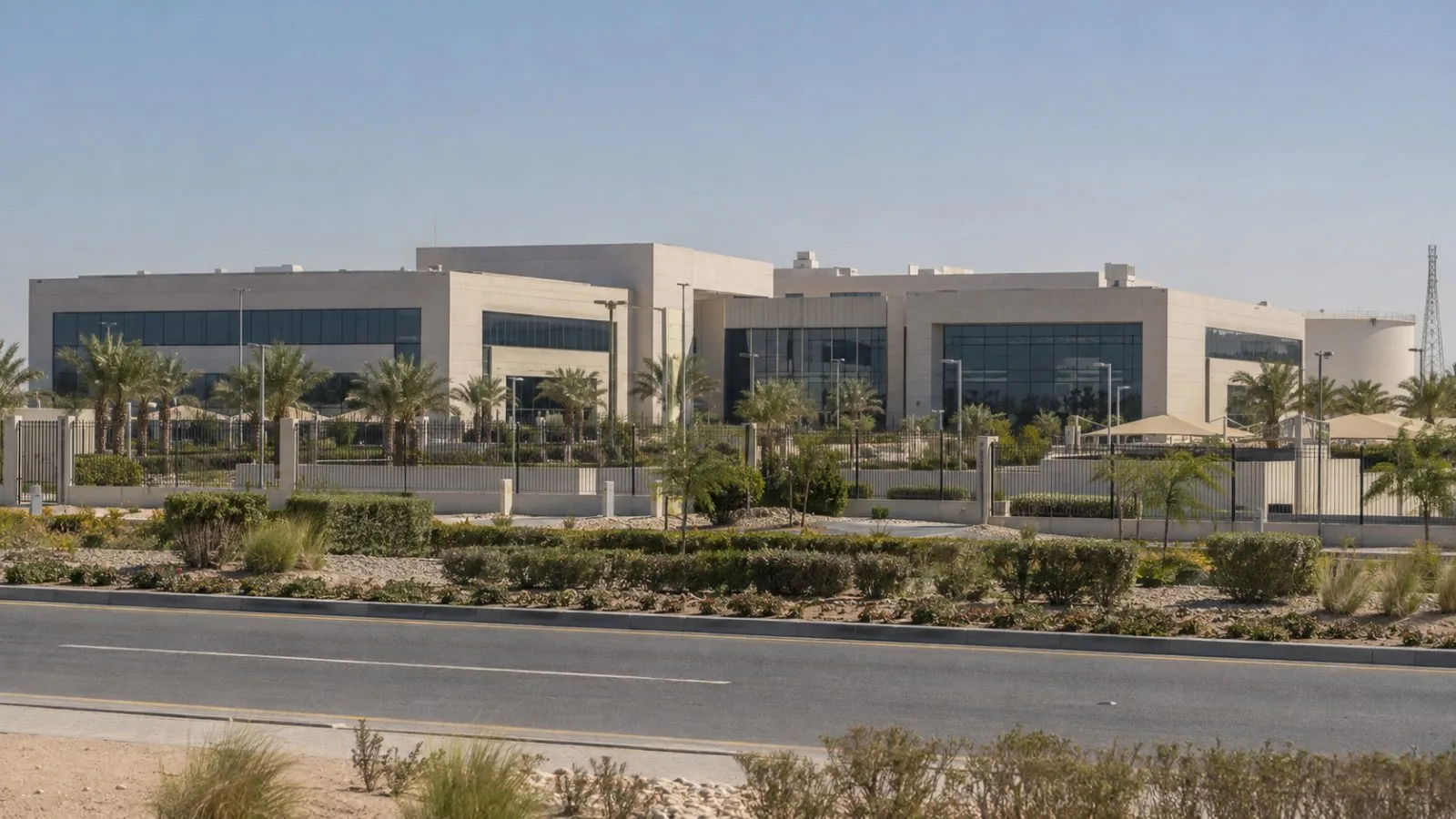
Saudi Arabia’s Ministry of Energy said air defenses intercepted a drone attempting to strike a facility at Saudi Aramco’s Shaybah field on Oct. 21. It said falling debris started a fire in a contractor’s vehicle outside the facility perimeter. The ministry also reported that two residents, one Filipino and one Nepali, were killed and two others, one Pakistani and one Indian, were injured. Operations were unaffected, and the ministry did not identify who launched the drone.
UKMTO said the report arrived late and described an outbound tanker hit at 1715 UTC on Oct. 22, about 7 nautical miles northeast of Limah, Oman; the projectile’s origin was unknown. The vessel continued toward its next port. UKMTO did not name the tanker or identify the projectile’s source.
The United Arab Emirates’ Ministry of Climate Change and Environment said a tanker spill affected beaches in Umm Al Quwain and that containment and cleanup were underway. The ministry did not name the vessel or state the cause.
The U.S. Energy Information Administration (EIA) said its October outlook linked elevated risks to tanker traffic with higher shipping and insurance costs, adding a premium to oil prices. The International Energy Agency said refiners in Asia processing Middle Eastern crude had negative margins in September as delivered costs rose. EconoTimes has previously reported on freight costs tied to Hormuz delays.