Researchers mapped regional differences in western North Pacific Calanus diets, offering a view of nitrogen and plankton pathways in a food web that supports fish and seabirds.
The team inferred food sources from isotopic patterns in amino acids from adult copepods. The study appeared in Science Advances on Sept. 18, 2026. The researchers grouped the specimens as Calanus spp. because they could not assign every sample to a species.
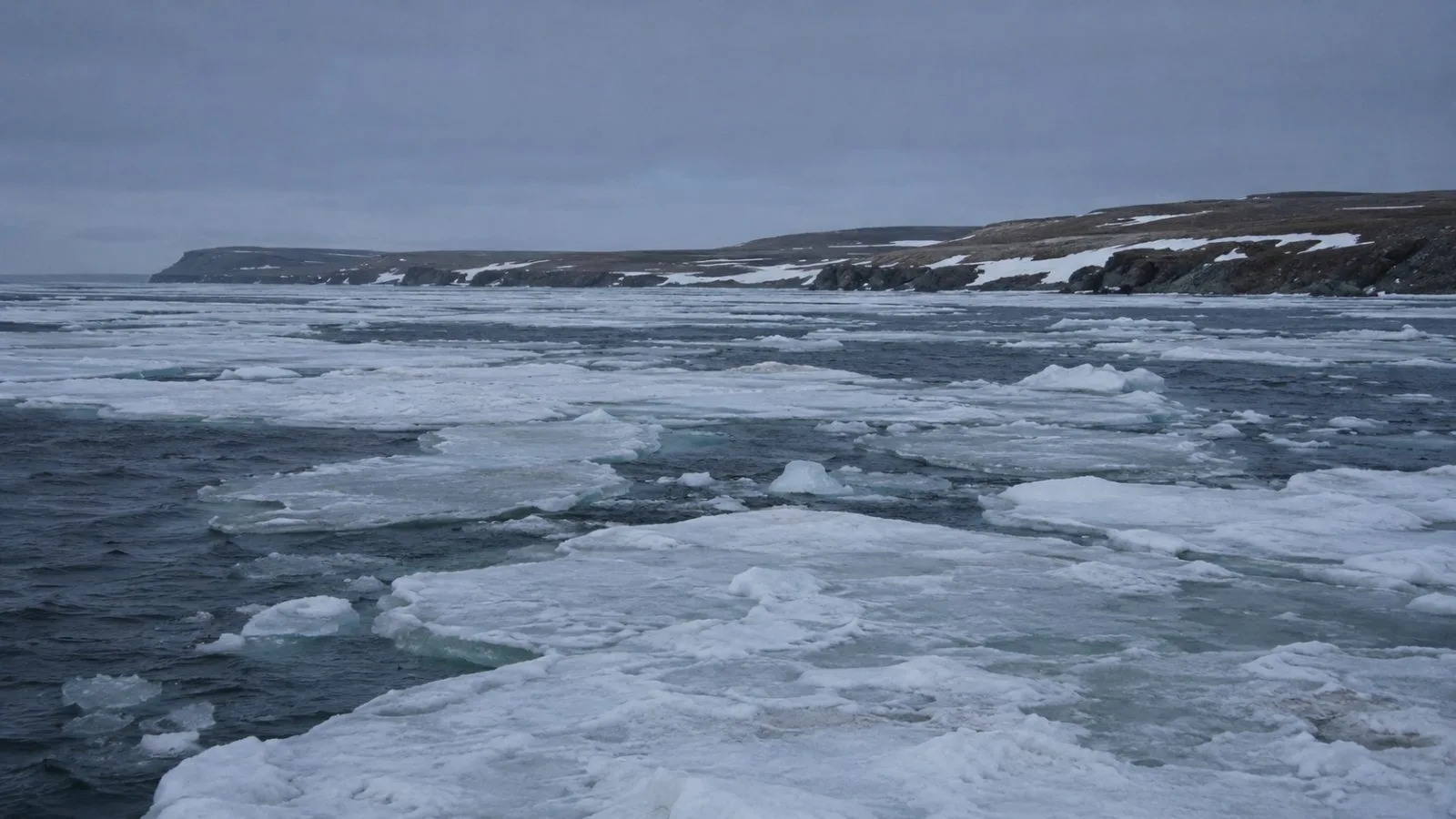
In tropical and subtropical Pacific waters, nitrogen-fixing organisms made up an estimated 19.6 ± 5.8% of the copepods’ diet, while heterotrophic bacteria accounted for 30.6 ± 5.3%. In the Bering Strait and southern Chukchi Sea, dinoflagellates contributed an estimated 54.4 ± 10.5%.
The study also assessed nitrogen sources for microalgae. Biologically fixed nitrogen accounted for 29.2 ± 7.9% of microalgal nitrogen in tropical and subtropical waters. In the Pacific Arctic, nitrate was the primary nitrogen source for eukaryotic microalgae, at 91.4 ± 2.3%.
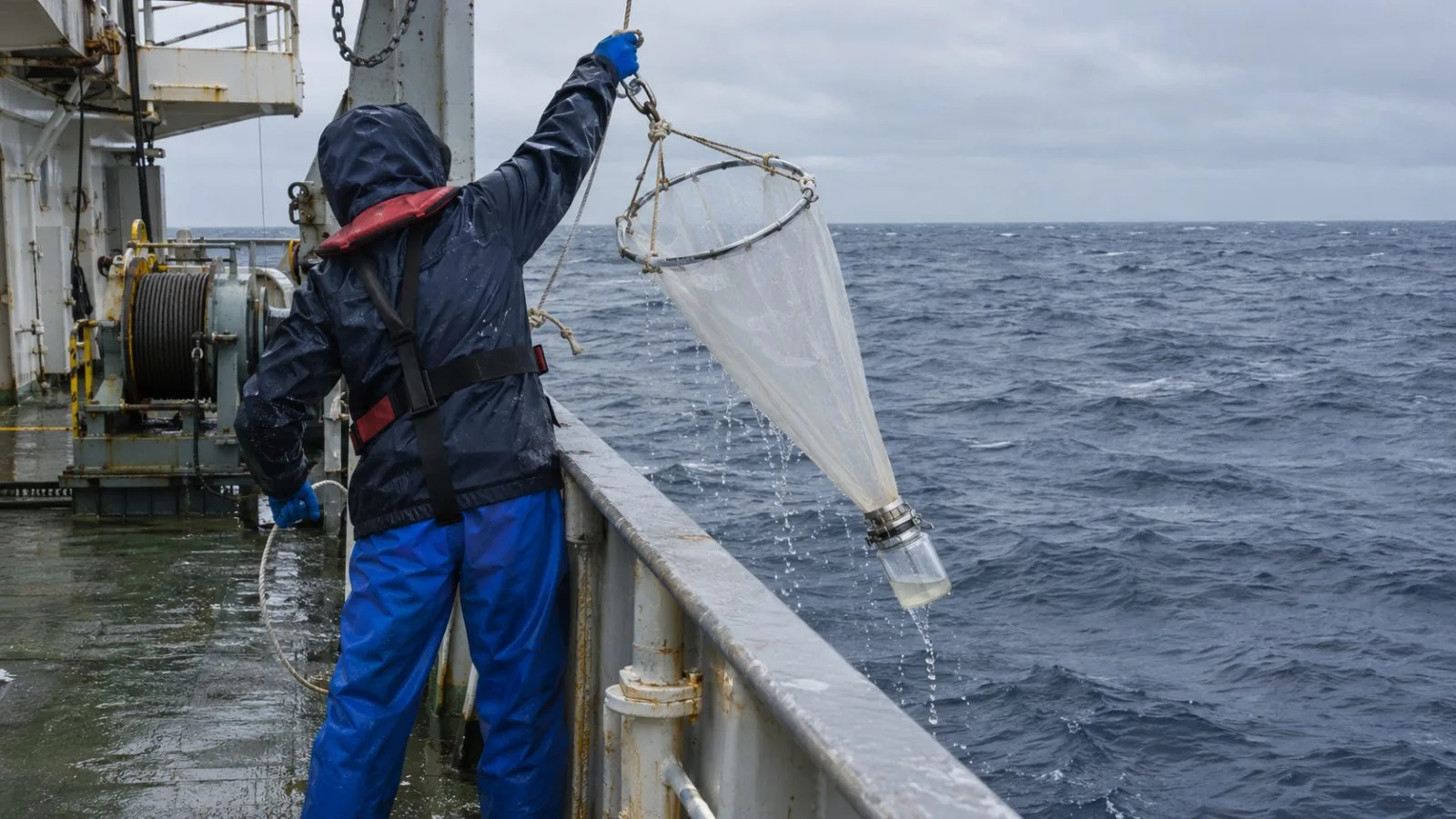
The samples came from cruises across different years and seasons. Tropical and subtropical Pacific sampling included four cruises from October 2017 to May 2020; collections from the subarctic Pacific to the Arctic took place on summer cruises in 2015, 2016 and 2017. The authors said this uneven seasonal coverage meant they could not assess seasonal variation.
Calanus are filter-feeding zooplankton that pass energy through marine food webs to fish and seabirds. The paper discusses a possible warming-related pathway: stronger ocean layering could reduce the movement of nutrients from deeper water toward the surface, potentially shifting the plankton available to zooplankton.
The regional estimates do not establish that warming caused the diet differences. The researchers called for broader sampling across seasons and locations to examine how food-web patterns may change as the ocean warms.