


 Yandex Data Center Hit by Drone Strike as Russia-Ukraine Cyber Infrastructure Attacks Escalate
  Panama Declares Emergency After 7.7 Earthquake Triggers 200 Aftershocks
  Greenland Lawmakers Back Trump Security Deal Despite Economic Concerns
  European Auto Stocks Rise as EU-China Trade Deal Targets Hybrid Imports
  Kim Jong Un Showcases ICBM Ahead of Possible Trump Meeting
  Elon Musk Donates $366 Million to 2026 US Midterms
  North Korea Fires Ballistic Missiles Amid Rising Tensions With South Korea
  Most Americans Oppose Election Betting on Prediction Markets, Poll Finds
  US Condemns China Sanctions on Taiwan Allies Belize and Paraguay
  US Authorities Raid Ilhan Omar’s Home Amid Immigration Fraud Probe
  Pakistan Declares Emergency in Khyber Pakhtunkhwa, Suspends Imran Khan’s PTI Government
  Brazil Election: Lula and Bolsonaro Rally Ahead of October 25 Runoff
  Zelenskiy Offers Russia Energy Truce Amid Trump Pressure
  India Voter List Protests Reach Supreme Court as Opposition Demands Election Chief's Resignation
  Jordan Bardella Antisemitism Allegations Threaten Le Pen’s Campaign
  US Judge Blocks Trump Administration’s Taxpayer-Funded Political Ads
  UK Finance Minister Healey Calls for Fiscal Discipline Amid Global Risks


 Add as a preferred source on Google
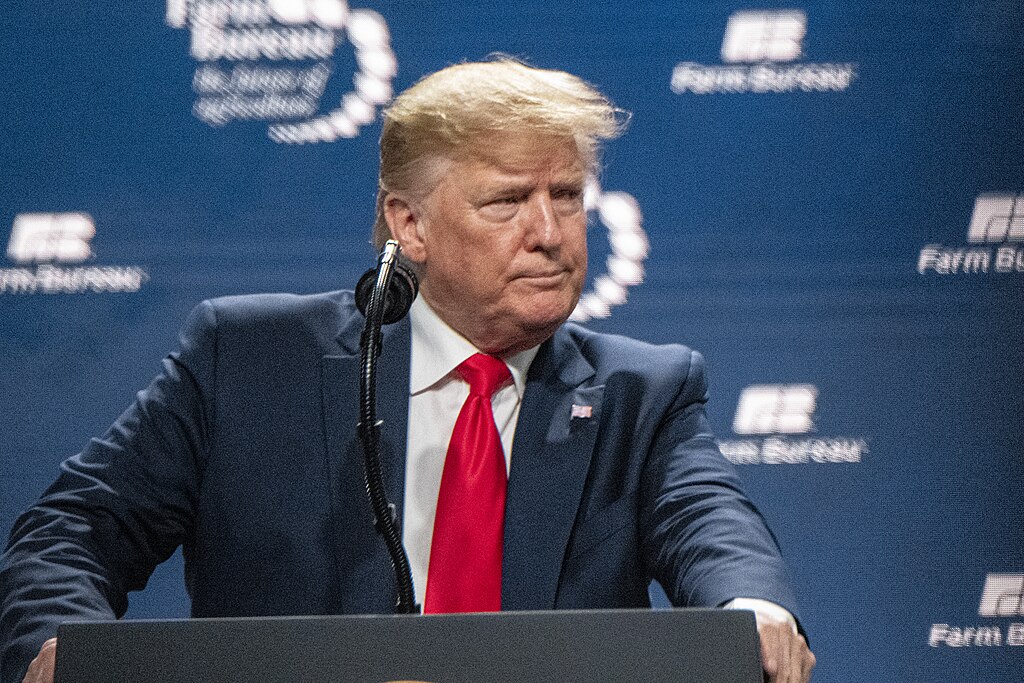
Donald Trump’s rise to the presidency not only redefined his political career but also left an indelible mark on the modern conservative movement in the United States. His leadership from 2016 to 2020 reshaped the Republican Party, moving it away from the traditional conservatism of figures like Ronald Reagan and toward a populist, nationalist agenda that remains dominant in the party today. Trump’s influence has sparked both admiration and division among conservatives, but his role in transforming the GOP and conservative ideals is undeniable.
Trump’s approach, often branded as “Trumpism,” focused on issues such as economic nationalism, a hardline stance on immigration, skepticism of global institutions, and an appeal to working-class voters who felt alienated by the political establishment. While his policies resonated with a broad base of Republican voters, they also introduced new fault lines within the party, leading to ongoing debates over the future direction of the conservative movement.
Populism and Economic Nationalism
One of Trump’s most significant contributions to the modern conservative movement was his embrace of populism and economic nationalism. Trump’s “America First” agenda prioritized policies aimed at boosting American industries, protecting domestic jobs, and reducing trade deficits. This marked a stark departure from the free-market conservatism that had defined the GOP for decades, where the focus had traditionally been on deregulation, free trade, and global capitalism.
Trump’s tariffs on Chinese goods and the renegotiation of trade deals, such as the United States-Mexico-Canada Agreement (USMCA), were central to his vision of restoring American economic power. His trade war with China, in particular, won support from manufacturing and industrial workers, but it also faced criticism from free-market conservatives who saw these policies as counterproductive to economic growth.
While Trump’s economic nationalism remains popular with his base, it has created a divide within the conservative movement, pitting populist Republicans against those who still favor traditional free-market principles.
Immigration and Border Security
Trump’s hardline stance on immigration became a cornerstone of his presidency and a defining feature of his influence on the conservative movement. His promise to build a wall along the U.S.-Mexico border, coupled with policies like “zero tolerance” and family separations, reflected a broader shift in the Republican Party’s approach to immigration. This tougher stance resonated with voters who felt that previous administrations had failed to secure the nation’s borders.
Trump’s immigration policies, while popular among his base, also alienated moderate Republicans and sparked debates about the party’s direction on immigration reform. Nevertheless, his legacy on this issue continues to shape GOP positions, with border security remaining a key priority for many conservative lawmakers.
Reshaping the Republican Party
Perhaps Trump’s most lasting impact is his reshaping of the Republican Party itself. His election victory in 2016 disrupted the traditional GOP establishment and redefined what it meant to be a conservative. Trump’s base of support came from a coalition of disaffected working-class voters, evangelical Christians, and rural Americans, many of whom had previously felt ignored by both parties. This new coalition propelled Trump to victory and has continued to influence Republican politics.
Under Trump’s leadership, the GOP has moved away from traditional conservative figures like Mitt Romney and George W. Bush, and toward a more populist, nationalist platform. This transformation has led to internal conflicts, with “Never Trump” Republicans clashing with Trump loyalists over the future of the party.
The Legacy of Trumpism
As Trump remains a key figure in U.S. politics and potentially prepares for another presidential run in 2024, his influence on the conservative movement shows no signs of waning. The policies he championed—economic nationalism, immigration enforcement, and a rejection of globalism—continue to dominate the Republican platform. However, the long-term future of Trumpism within the GOP remains uncertain, as the party grapples with whether to continue down this path or return to more traditional conservatism.
Disclaimer: EconoTimes cannot independently verify claims about Donald Trump’s influence on the modern conservative movement.
Trump’s role in shaping the conservative movement has redefined American politics, introducing a new era of populist conservatism that resonates with many voters. Whether this shift is a temporary phase or a lasting transformation of the Republican Party remains a pivotal question as Trump’s impact continues to be felt in every corner of the political landscape.







