


 Zelenskiy Slams US Over Deadly Russian Strikes on Ukraine
  Flavio Bolsonaro Leads Lula 49%-45% in Brazil Runoff Poll
  Trump Cancels Alabama Football Trip as Hurricane Isaias Approaches
  Trump Sanctions International Criminal Court, Sparking EU Backlash
  Marco Rubio Warns Russia-Ukraine War Could Spark Wider Conflict
  Yandex Data Center Hit by Drone Strike as Russia-Ukraine Cyber Infrastructure Attacks Escalate
  Berlin Coalition Talks Advance After Left Party Antisemitism Deal
  US Judge Blocks Trump Administration’s Taxpayer-Funded Political Ads
  Russian Strikes Kill Six in Ukraine, Including Three in Kharkiv
  US, EU Push for Action Against Asia’s Excess Factory Capacity
  Ripple Chairman Chris Larsen Donates $22.5 Million Ahead of US Midterms
  Zelenskiy Offers Russia Energy Truce Amid Trump Pressure
  Houthis Warn Saudi Airports After Deadly Riyadh Attack
  Trump Buys Up to $25M in Meta Stock, Invests in SpaceX Debt
  Trump Secures Russian Diesel Deal as US Fuel Prices Surge
  Trump Announces Russia-Ukraine Energy Ceasefire Amid U.S. Pressure on Kyiv


 Add as a preferred source on Google
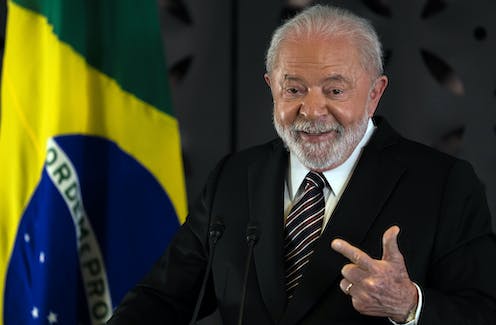
Brazil’s presidential election campaign intensified on Sunday as President Luiz Inacio Lula da Silva and conservative Senator Flavio Bolsonaro mobilized supporters in Sao Paulo ahead of the October 25 runoff vote.
The closely contested Brazil presidential election has highlighted deep political divisions, with both candidates seeking to expand their support after a narrow first-round result on October 4.
Bolsonaro, the son of former President Jair Bolsonaro, emerged as the frontrunner with 47% of the vote, while Lula finished approximately two percentage points behind.
Seeking to strengthen his political alliances, Bolsonaro met with reelected Sao Paulo Governor Tarcisio de Freitas and held discussions with local mayors and city councilors.
His campaign emphasized stronger cooperation between federal and municipal governments, particularly in addressing crime and improving public security.
Bolsonaro pledged to increase federal funding for municipalities if elected, arguing that local governments need greater financial support to tackle violence and strengthen essential services.
Meanwhile, Lula addressed thousands of supporters during a major campaign rally on Avenida Paulista, one of Sao Paulo’s most prominent streets.
The incumbent president placed public safety and crime prevention at the center of his reelection campaign, promising greater federal involvement in combating criminal activity.
Lula said his administration would pursue a tougher approach toward offenders while ensuring better protection for workers and communities.
The president also urged younger Brazilians to participate in the October 25 election, recognizing their importance in determining the outcome of the closely fought presidential race.
He additionally appealed to elderly voters, particularly those aged over 70, who are not legally required to vote in Brazil.
Among Lula’s supporters was 79-year-old retired Petrobras employee Carlos Teobaldo da Silva, who attended the rally wearing his former company’s orange uniform.
Silva, who advanced from bricklayer to maintenance supervisor during his career, expressed confidence in Lula’s leadership and pledged to support his reelection despite voting being optional at his age.
With less than two weeks remaining before the Brazil presidential runoff, both campaigns are intensifying efforts to attract undecided voters and consolidate political alliances.
Public security, federal funding and voter turnout are emerging as decisive issues in a presidential contest that could shape Brazil’s political direction for the next four years.







