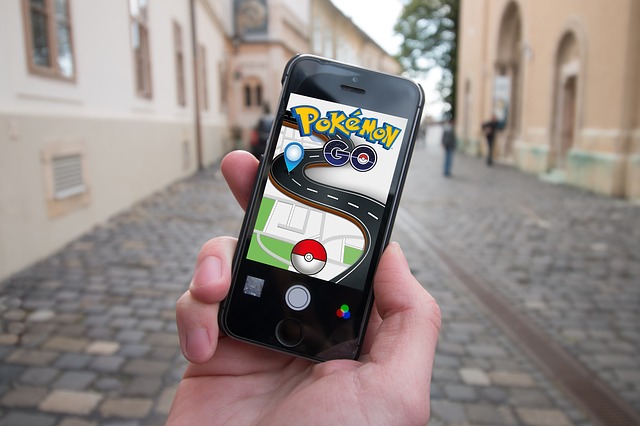
It’s summertime in the Northern Hemisphere, a time for barbeques, sandcastles, rowing a boat in a blessed breeze, and staring longingly through the office window at a sun you’ll never get to feel on your vitamin D-starved skin. In 2016, summer was also about something far more unfathomable though – Pokémon Go. But with the frenzy that surrounded Niantic’s augmented reality (AR) game all but over, is the world a better or a worse place?
Casual Users
First off, a caveat: Pokémon Go hasn’t gone anywhere; it’s still alive and well, and recently celebrated its one-year anniversary with a fire and ice-themed Solstice Event, which, inevitably, increased the spawn rate of our hottest and coolest friends, Pokémon like Charmander and Lapras. However, as of April 2017, the game’s daily player base has fallen by 23m – more than 80% of the 28m people (mostly millennials) who downloaded it at its peak.
From Niantic’s perspective, its flagging userbase is disappointing but, as an app that made $35m in its first month, Pokémon Go has been a riotous success, if an apparently short-lived one. Also, with an almost collective hysteria governing its incredible popularity, it was perhaps inevitable that the app would bleed casual users and the merely curious almost immediately after the sun vanished for another summer.
Mobile Gaming
Pokémon Go’s free pass to the Android and iOS markets has run out, though, with even the release of a new generation of creatures (Sudowoodo, Mareep, and co.) failing to stem the tide of departing users. Given Canada’s newfound obsession with mobile gaming (the Entertainment Software Association of Canada indicates that the number of people identifying as mobile players has climbed from 6% to 41% since 2012), it’s a shame.
There’s an obvious problem of choice on the mobile market. For example, while apps like Clash of Clans and Candy Crush keep the country busy, Canucks play online slots too, with casino revenue in the country climbing year-on-year from 2011 to $6.2bn. It’d be easy to cite the incentives doled out by the industry for that rise; brands like JackpotCity offer a welcome bonus of $1,600 while Ruby Fortune has a $750 offer for new players.
Missed Opportunity
However, PoGo is arguably the only app in history that got gamers outside when the sun had its hat on; the title was attributed with everything from reducing stress in workers to aiding weight loss and helping the shy and anxious make new friends. From that perspective, it’s worth mourning PoGo’s slide in player numbers, even if the app put so many uncoordinated, bewildered people on the streets that safety advice sold newspapers for a while.
Remarkably, Pokémon Go’s success hasn’t been followed by a similar, rival app; AR is still the almost exclusive domain of Niantic, who also made PoGo’s predecessor Ingress. So, along with the declining number of trainers out there in the world, there’s also a certain feeling that Pokémon Go is a one-of-a-kind game, both in the way it plays and in the type of inclusive, social experience it offers to gamers. And, again, it’s hard not to regret its decline.
Pokémon Go is far from finished but the app and its technology is as much a missed opportunity as it is an incredible success.