U.S. coffee drinkers hoping for cheaper coffee after President Donald Trump rolled back key import tariffs are likely to be disappointed. While the tariff reductions removed duties on hundreds of food items, including coffee, retail coffee prices in the United States are expected to remain elevated well into next year due to lingering supply chain pressures and historically high raw coffee bean prices.
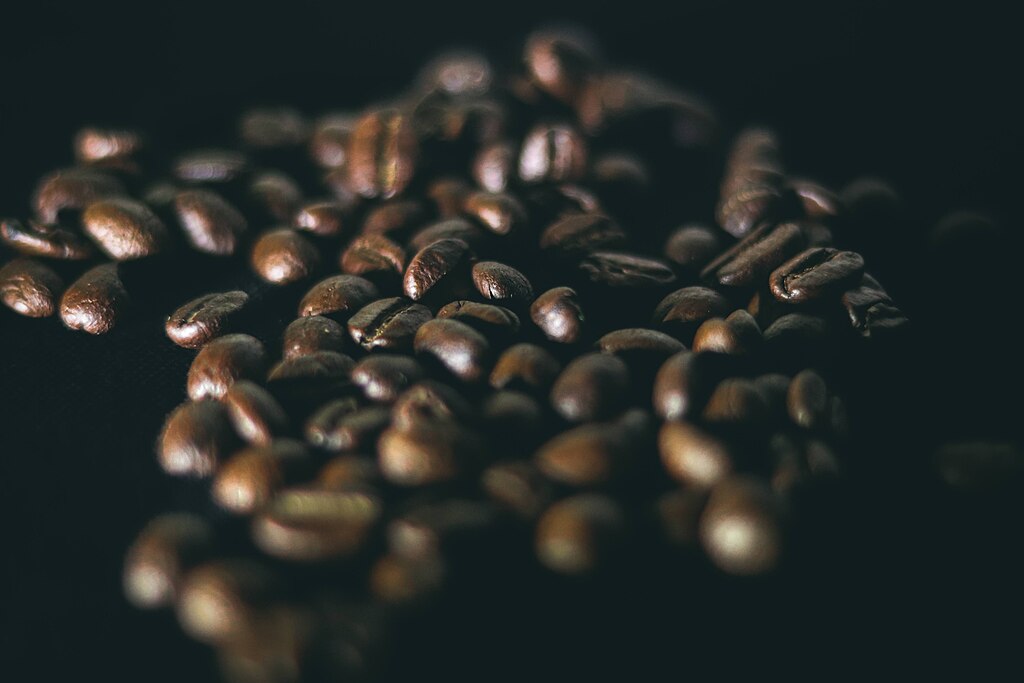
The import tariffs imposed over the summer, which affected major coffee-producing countries such as Brazil, did push raw coffee bean prices higher. However, industry experts say these tariff-related costs have not yet fully reached consumers. Instead, today’s high coffee prices are primarily the result of severe global coffee supply shortages last year, driven by adverse weather and three consecutive production deficits. These factors caused raw coffee bean prices to double in the 12 months leading up to March.
According to analysts, it typically takes at least nine months for changes in raw coffee prices to filter through the supply chain. Roasters usually hold two to three months of bean inventories, followed by additional time for roasting, packaging, and negotiating prices with retailers, which often happens quarterly. As a result, even though tariffs have been eased, their impact on retail prices will be slow and limited.
The U.S., the world’s largest coffee consumer, has seen retail coffee prices rise nearly 19% year over year as of November, with very little of that increase attributed to tariffs. Meanwhile, raw coffee prices surged almost 35% between August and November when tariffs were in effect, and those higher costs have yet to fully appear on supermarket shelves. Since the tariff rollback, raw bean prices have fallen only modestly, reinforcing the idea that coffee prices tend to rise faster than they fall.
While the tariff reversal is helping slow the pace of further price increases, it is not enough to bring prices down quickly. Some major roasters may still raise prices in 2025 as elevated bean costs persist. For consumers, this means higher coffee prices are likely to stick around longer, complicating efforts by policymakers to curb food inflation ahead of the 2026 U.S. midterm elections.