The next round of a global effort to compare economies through differences in buying power is underway, following results covering 176 economies, the World Bank said in an institutional announcement.
Future rounds of the International Comparison Program aim to cover more countries, improve data and provide faster updates. The announcement gave no timetable for the next release or numerical targets for those improvements.
The World Bank Group published the explanation, “From Local Prices to the Global Economy: The International Comparison Program,” on Oct. 27. It described how the comparisons are compiled and how institutions use them to measure economic activity and inform policy.
The effort brings together statistical agencies and experts across nearly 200 economies. Its starting point is that currencies have different buying power, so comparing economic activity requires accounting for differences in what goods and services cost.
The comparisons use purchasing power parities, adjustments that account for price differences between countries. These allow economic data from countries with different currencies and price levels to be compared on a common basis.
National statistical offices collect prices and spending data, while regional agencies check the information and coordinate the work. The bank manages the global effort, with chief statisticians and economic experts from around the world overseeing it.
The resulting benchmark serves policymakers, researchers and international institutions. The United Nations, the Organisation for Economic Co-operation and Development, the International Monetary Fund and the bank use it to track growth, poverty and economic trends.
The latest results cited in the announcement were published in May 2024. Those comparisons cover gross domestic product, living costs and price levels, providing a basis for examining differences in economic activity across the participating economies.
The data also help set the international poverty line, which supports measurement of a United Nations Sustainable Development Goal. Their uses extend to economic and social policies involving health, education and infrastructure, alongside assessments of global trade and competitiveness.
The announcement also linked the comparisons to allocations involving the EU Cohesion Fund and to shareholding and quota calculations at the fund and the bank. It gave no allocation amounts or changes resulting from the data.
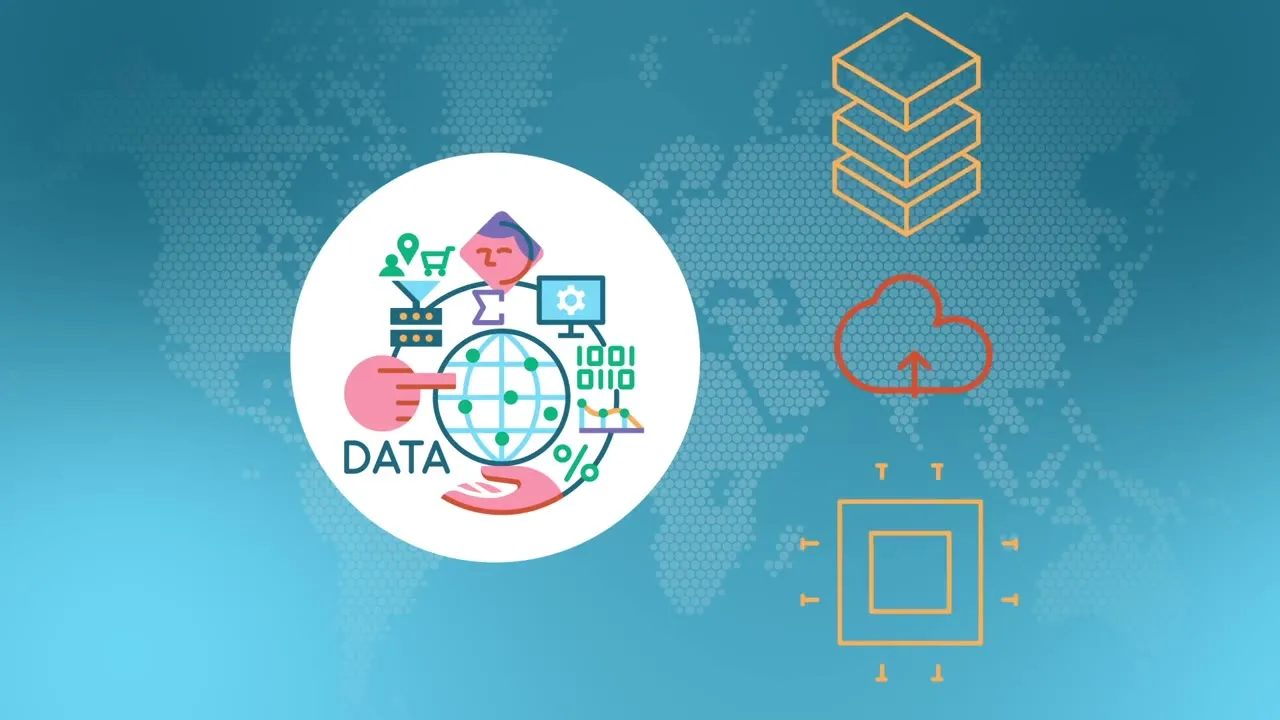
The work includes training national statistical offices and introducing collection methods such as web scraping and scanner data. These methods form part of efforts to update how prices are gathered and processed.
“The next ICP cycle is already underway,” the bank said. It left open which additional countries future rounds would cover and how much sooner updated comparisons would become available.