Xi Jinping’s continued rule could make China’s economic problems harder to resolve over the next five years and leave relations abroad unimproved, according to a Brookings Institution discussion.
The outlook put China’s leadership at the centre of the economic choices ahead. Xi was described as willing to persist with the current strategy despite the damage it could do to relations with other countries.
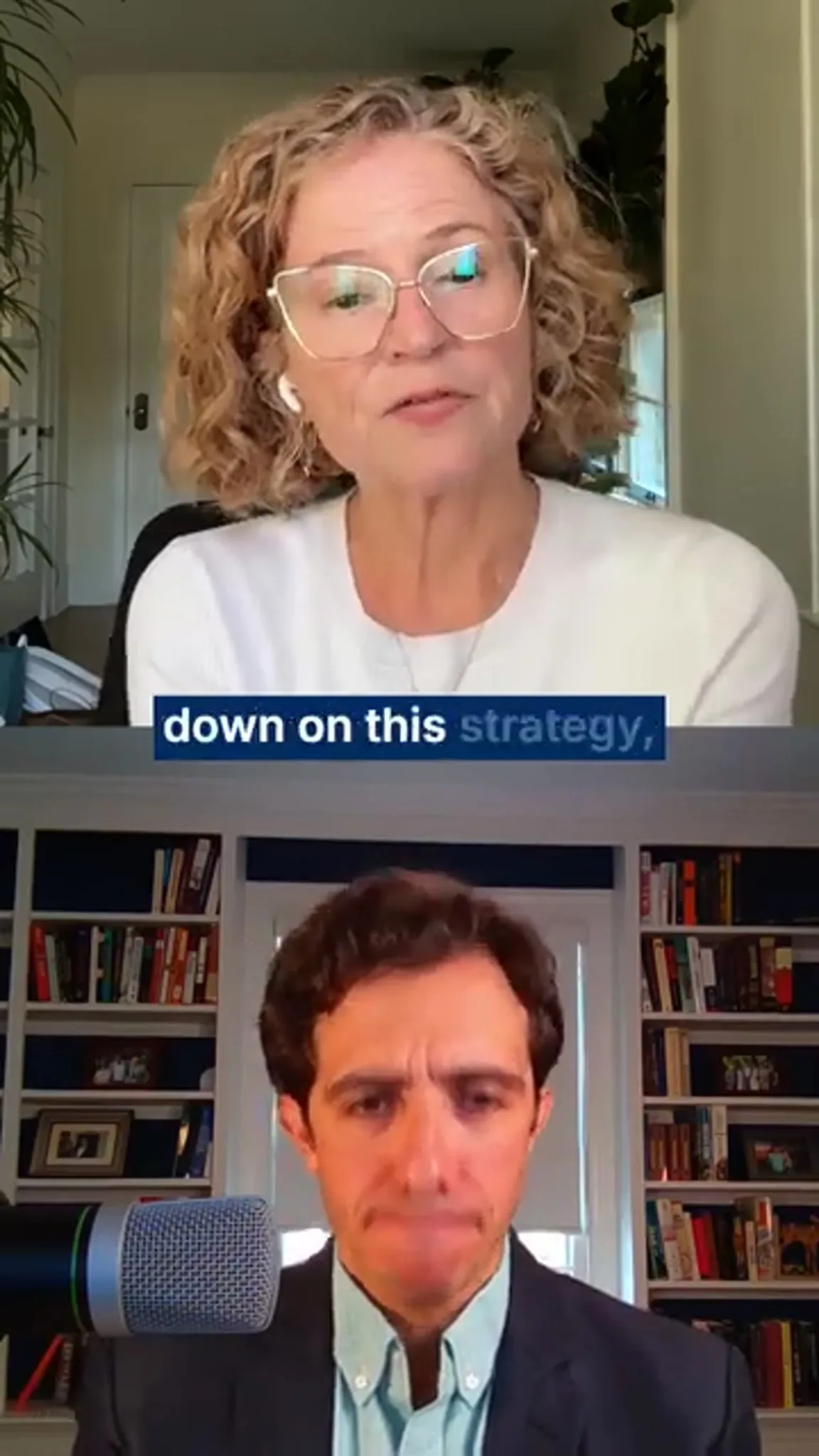
The remarks came in “Can Xi Jinping address China’s economic problems,” published Oct. 30. The supplied transcript does not identify the person answering the question or give their title or institution.
The answer began with the difficulty of assessing public opinion in China. It offered an explicitly anecdotal view that people in lower and middle economic groups may be more likely to accept the government’s explanation for the country’s difficulties. That account of public attitudes was presented as an impression, with uncertainty about how people in those groups viewed the economy’s problems.
That explanation puts the blame on Donald Trump, the trade war and efforts to prevent China’s rise. The remarks did not offer polling figures to establish how widely people hold that view.
Overcapacity, production beyond what markets can absorb, was described as a trap in that setting. Efforts by Europe and the United States to protect their economies and increase employment could reinforce Beijing’s account of foreign attempts to hold China back.
In that assessment, measures intended to support domestic economies abroad could also strengthen the explanation offered to people in China for their own economic difficulties.
The answer then turned to people who hold capital in China and private entrepreneurs. For those groups, it linked the outlook more directly to Xi and to whether he would still be in office in five years.
The assessment in the discussion was: “I think Xi Jinping is perhaps ill-informed on the economy”. It also described him as willing to “double down on this strategy.” The remarks portrayed worse foreign relations as a consequence he would accept.
The answer left open whether Xi would remain in office over that period. It gave no numerical growth forecast or alternative policy programme, making its assessment conditional on his continued leadership and persistence with the current approach.
The economic outlook and the outlook for foreign relations therefore rested on the same condition: whether Xi remained in office and continued the strategy described in the discussion.