


 Britain has almost 1 million young people not in work or education – here’s what evidence shows can change that
  Hanmi Pharm Soars 30% on $2.3 Billion Genentech Obesity Drug Deal
  1 in 3 uni students experience serious financial hardship. Could concession cards for all help?
  SK Biopharmaceuticals Secures Global Rights to Biohaven Epilepsy Drug Opakalim
  Debate over H-1B visas shines spotlight on US tech worker shortages
  Trump Signs Order to Cut Routine Childhood Vaccines
  New York Declares Measles Disaster Emergency as Cases Surge
  FDA Approves Mirum’s Atebrioz for Rare Bone Disorder FOP
  Heritage, desire and diplomacy: why China still values scotch whisky
  GLP-1 Weight-Loss Drug Use Surges Among U.S. Children
  Why have so few atrocities ever been recognised as genocide?
  The American mass exodus to Canada amid Trump 2.0 has yet to materialize
  Can your cat recognise you by scent? New study shows it’s likely
  Novo Nordisk Eyes Turnaround as Oral Wegovy Challenges Eli Lilly in Weight-Loss Drug Race
  How to support someone who is grieving: five research-backed strategies
  Stuck in a creativity slump at work? Here are some surprising ways to get your spark back


 Add as a preferred source on Google
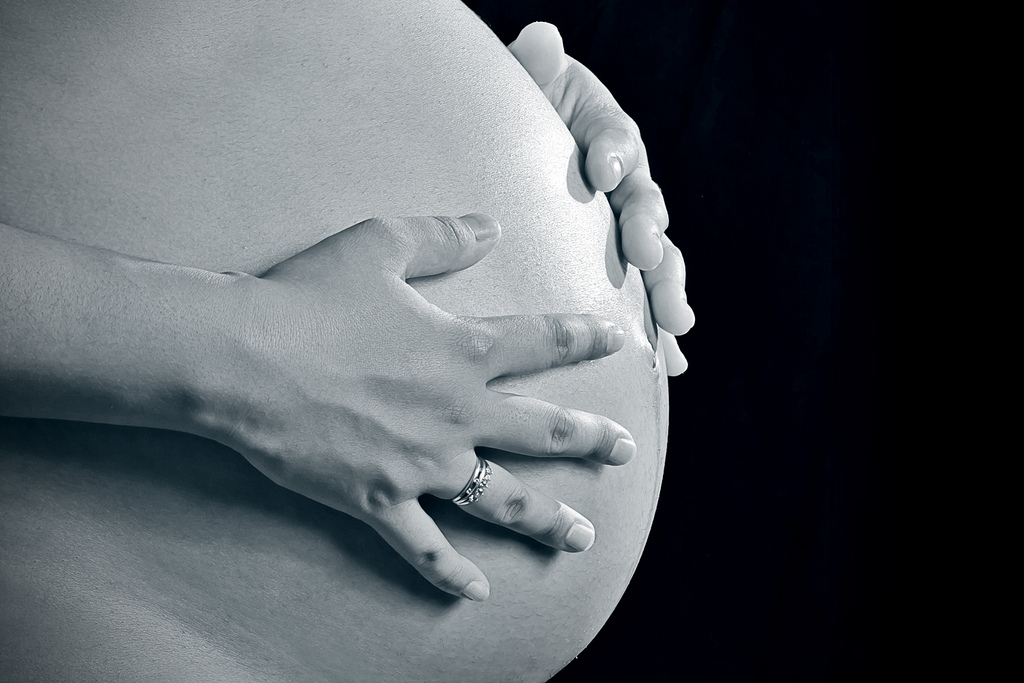
Conventional wisdom dictates that the older a woman gets, the more danger they face when giving birth for the first time. For a while now, medical doctors have had this opinion as well, which is why women are often encouraged by their physicians to have a baby while still young. However, new research suggests that there may be more to this than previously thought. In fact, it would seem that older first-time mothers are more likely to live longer than their younger counterparts.
The study was conducted by researchers from the University of California San Diego School of Medicine, and they found that mothers who decided to become pregnant for the first time at a later time are more likely to live to be 90 years old or more, MedicalXpress reports. The research was led by Dr. Aladdin Shadyab and he said that they found a correlation between the ages that the mothers gave birth, how many times they gave birth, and how long they lived.
"We found that women who had their first child at age 25 or older were more likely to live to age 90," Dr. Shadyab said. "The findings indicate that women with two to four term pregnancies compared with a single term pregnancy were also more likely to live at least nine decades."
The study looked into 20,000 cases of pregnant women for 21 years. Of those numbers, 54 percent lived to the age of 90, but these findings simply suggest correlation as opposed to definitive proof of anything. There are other various factors that could affect how long these women lived, including lifestyle, diet, and genetics.
In the press release about the findings, Dr. Shadyab clarified that their research does not suggest that women should delay their pregnancy. With age also comes other complications that could result in increased risks when giving birth, including hypertension and diabetes. Rather, it’s simply meant to be an indicator that those who survived older pregnancies may have already been in excellent health, to begin with.







