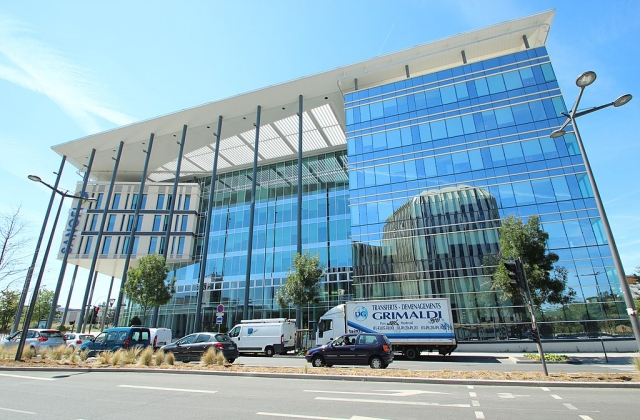
French pharmaceutical giant Sanofi has announced plans to acquire U.S.-based biotech company Dynavax Technologies in a deal valued at approximately $2.2 billion (€1.9 billion). The acquisition, agreed on Wednesday, is aimed at expanding Sanofi’s vaccine portfolio with Dynavax’s adult hepatitis B vaccine Heplisav-B and an experimental shingles vaccine, Z-1018, positioning Sanofi for long-term growth amid shifting global vaccine policies.
Under the terms of the deal, Sanofi will pay $15.50 per Dynavax share, representing a 39% premium over the biotech firm’s previous closing price. Following the announcement, Dynavax shares surged nearly 39% in U.S. trading, while Sanofi shares edged down slightly. The French drugmaker plans to fund the acquisition using available cash and expects to close the transaction in the first quarter of 2026, noting that the deal will not affect its 2025 financial outlook.
Industry analysts view the acquisition as strategically sound, particularly as vaccine manufacturers face growing regulatory and market uncertainty. In the United States, recent policy changes under the Trump administration, including the removal of a universal recommendation for infant hepatitis B vaccination, have sparked controversy and raised concerns about future immunisation rates. Against this backdrop, Sanofi is seeking to diversify beyond its existing vaccine offerings and reduce reliance on blockbuster drugs such as Dupixent, which is expected to face patent expiry in 2031.
Dynavax’s Heplisav-B vaccine targets adults aged 18 and over and offers a two-dose regimen completed within one month, compared with traditional three-dose schedules. The vaccine generated $90 million in sales in the third quarter of 2025, with analysts projecting peak annual U.S. sales of around $609 million. Meanwhile, the experimental shingles vaccine Z-1018 has shown promising early results, demonstrating comparable immune response to GSK’s market-leading Shingrix with a potentially improved safety profile.
The deal comes as vaccine makers globally report pressure on demand, particularly in the U.S. flu market. It also follows mixed news for Sanofi, which recently disclosed that the U.S. FDA declined to approve its experimental multiple sclerosis drug tolebrutinib, adding to investor concerns after several clinical setbacks. Despite these challenges, Sanofi’s acquisition of Dynavax is widely seen as a move to secure new revenue growth drivers and strengthen its competitive position in the evolving vaccine market.