

 Menu
Menu

 Search

- News

- Economy

- Central Banks
- Investing
- Research
- Roundups
- Digital Currency
- Insights
- Technical Analysis
- Technology
- Business
- Law
- Health
- Nature
- Fintech
- Science
- Topic
- Opinions
- ©Econometrics LLC . All Rights Reserved.
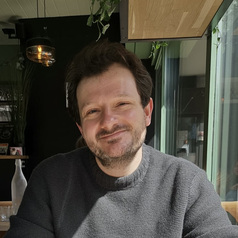
Filippo Cervelli
Lecturer in Modern and Contemporary Japanese Literature, SOAS, University of London
Filippo Cervelli received his PhD in Oriental Studies from the University of Oxford, and is currently Lecturer in Modern and Contemporary Japanese Literature at SOAS University of London. Broadly speaking, his research focuses on representations of individual and social crises across modern and contemporary Japanese literature and popular culture. He has written on the fiction of Takahashi Gen’ichirō, Abe Kazushige, on post-Fukushima literature, on manga, and on animation. He recently co-edited the interdisciplinary special issue The Lonely Nerd (2022), on representations of nerds and loneliness, for the journal Exchanges. He is currently exploring narrations of space and peripheral realities in modern Japanese literature; on the popular culture side, he is focusing on the works of Hosoda Mamoru.

Less 
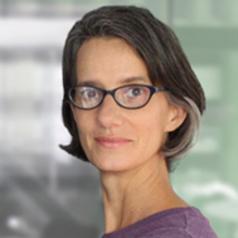
Filomena Nunes
Professor of Physics, Michigan State University
My interest in physics started in middle school. I had questions about everything and initially thought I would be an engineer. I did my undergraduate in Engineering in Lisbon but realized theory was my real passion. I moved to England for a PhD in Theoretical Physics. In research, I started out with halo nuclei and modeling their properties. That lead to the theory for nuclear reactions of unstable nuclei and the connections to astrophysics. That lead to uncertainty quantification, Bayesian statistics, experimental design...
Less
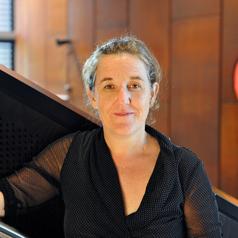
Fiona Allison
Research Fellow, Jumbunna Institute of Indigenous Education and Research, University of Technology Sydney
Fiona is currently employed as a Research Fellow at Jumbunna Institute for Indigenous Education and Research and at James Cook University, as well as undertaking consultancies for government and non-government organisations.
As Research Fellow at Jumbunna, Fiona is Senior Researcher for a First Nations Access to Justice project aimed at improving First Nations civil/family law access to justice. This project seeks to better understand how First Nations peoples define access to justice (as processes and outcomes) in the areas of tenancy, consumer/credit and debt, social security, child protection and discrimination.
Fiona has explored access to justice in other recent projects. She has completed an evaluation of an initiative for NT Legal Aid which employs social workers alongside lawyers to meet psychosocial needs of those caught up in the justice or child protection systems. She has also recently completed a 2-year evaluation of an Aboriginal and Torres Strait Islander Health Justice Partnership based in Cairns and a report on First Nations civil and criminal law access to justice issues in the Barkly region of the NT.
Fiona was lead investigator on the NT and QLD pilots of justice reinvestment (JR). JR is a framework that uses community development approaches to reduce incarceration, with some focus in Australia on Indigenous incarceration (and strengthening Indigenous self-determination as a response to this incarceration). She is currently working as JR data and research consultant with Just Reinvest NSW in Moree and Mt Druitt. Fiona current chairs Justice Reinvestment Network Australia, a network bringing together communities implementing JR and their supporters, as well as academic and government advocates of JR.
Fiona has worked from early 2011 at JCU. She was a Senior Researcher within the Justice and Social Inclusion Unit at the Cairns Institute, JCU for the Indigenous Legal Needs Project (ILNP). The ILNP, an Australian Research Council Linkage Project, was the first comprehensive exploration of the civil and family law needs of Aboriginal and Torres Strait Islander people nationally. Fiona also taught human rights and related subjects to staff of Papua New Guinea’s Department of Justice at JCU. Since 2017 Fiona has been working on place-based collective impact project focused on improving outcomes for children (0-12) in the southern corridor of Cairns. This project has been funded by Mission Australia.
Prior to working at JCU, Fiona taught legal studies at Tranby Aboriginal College in Sydney and worked at the Australian Human Rights Commission as a conciliator of race and human rights complaints. She has also worked at Community Legal Centres in the NT and NSW as a generalist solicitor and a family violence and Aboriginal outreach solicitor.
Less
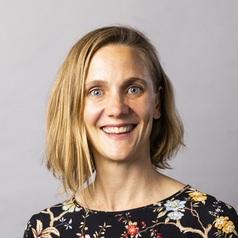
Fiona Berry
Research Principal, Institute for Sustainable Futures, University of Technology Sydney
Research Principal at the Institute for Sustainable Futures at University of Technology Sydney. Passionate about local food systems, community engagement and interdisciplinary research.
Less
Fiona Blyth
Professor, University of Sydney
Fiona Blyth is a Professor at the Sydney School of Public Health, Faculty of Medicine and Health, University of Sydney.
Less
Fiona Brookman
Professor of Criminology, University of South Wales
Fiona Brookman is Professor of Criminology at the University of South Wales, UK. She received her PhD from Cardiff University in 2000. She conducts research mainly in the areas of policing, violence and homicide. She is also interested in narrative and visual criminology. She has extensive experience of conducting in-depth interviews with violent offenders as well as with detectives and forensic scientists. She has undertaken ethnographic research of homicide investigation in the UK and US, which has included spending hundreds of hours shadowing homicide detectives, and following cases from crime scene to court.
Fiona has over 80 publications including those in international journals and numerous chapters in edited collections, including The Oxford Handbook of Offender Decision Making (Oxford: 2017), In Their Own Words (Oxford: 2013) and Narrative Criminology (New York: 2015). She is lead editor of the Handbook of Homicide (Wiley: 2017) and author of Understanding Homicide (Sage: 2022) (2nd edition).
Fiona is Director of the Criminal Investigation Research Network (https://criminology.research.southwales.ac.uk/cirn/). CIRN aims to advance knowledge on the theory and practice of major crime investigation. The network brings together leading academics from around the world with expertise in major crime investigation and senior investigating officers and practitioners at the forefront of developing practice and strategy. Fiona is a member of a Home Office Expert Advisory Panel on Serious Violence Policy and Editorial Board Member of the American Journal of Criminal Justice.
Less
Fiona Burgemeister
Research Officer, La Trobe Rural Health School, La Trobe University
My PhD examined the implementation and evaluation of place-based initiatives for disadvantaged children and their families. I work part-time for the La Trobe Rural Health School as a Research Officer. I also conduct research in the area of gender-based violence. I have more than 25 years experience as a senior health administrator with expertise in strategy, policy, governance and operations.
Less
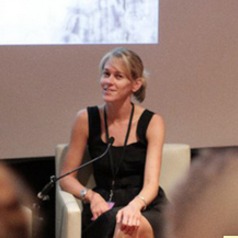
Fiona Crawford
Adjunct Lecturer at the Centre for Justice, Queensland University of Technology
Fiona Crawford is an Adjunct Lecturer at the Centre for Justice at the Queensland University of Technology.
She is the co-author Never Say Die: The Hundred-Year Overnight Success of Australian Women’s Football and the author of The Matilda Effect.
Less
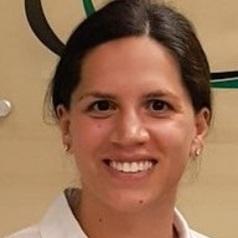
Fiona Doukas
PhD candidate, University of Sydney
Fiona is a hospital pharmacist with over 12 years of clinical experience. She has worked in the field of infectious diseases and antimicrobial stewardship since 2013.
After completing a Bachelor of Pharmacy, and a Master of Public Health specialising in Infectious Diseases Epidemiology & Control, Fiona is now a PhD candidate at the University of Sydney. Her PhD thesis is on interventions that improve antimicrobial use, under the supervision of Professor Andrew McLachlan AM.
Fiona is currently on secondment at the Australian Commission on Safety and Quality in Health Care revising the Antimicrobial Stewardship Clinical Care Standard. Her permanent position is as the Senior Pharmacist (Antimicrobial Stewardship) at Concord Repatriation General Hospital in Sydney.
Less
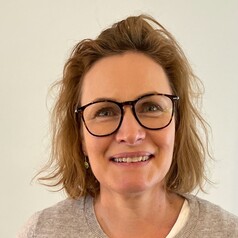
Fiona Giles
Research Fellow, La Trobe Rural Health School, La Trobe University
My PhD examined the implementation and evaluation of place-based initiatives for disadvantaged children and their families. I am a Research Fellow at the La Trobe Rural Health School and the University of Melbourne. I conduct research in the areas of gender-based violence, domestic and family violence, and rural health inequalities. I have more than 25 years experience as a senior health administrator with expertise in strategy, policy, governance and strategic communications.
Less
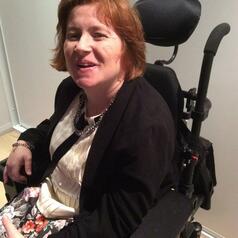
Fiona Given
Fiona Given completed her Arts/Law degree at Macquarie University in 2003. She is a part time Research Assistant at UTS. Fiona has a general member on the Guardianship Division of the NSW Civil and Administrative Tribunal for almost ten years. She is on the board of Assistive Technology Australia.
Less
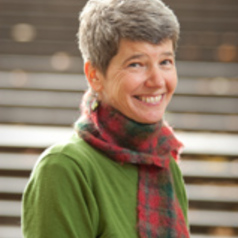
Fiona Haines
Fiona Haines (BA (Hons), PhD) is a Professor in the School of Social and Political Sciences and Adjunct Senior Research Fellow at ANU. She has a BA (Hons) and PhD from the University of Melbourne. Her PhD won the 1996 Chancellor's Prize for excellence (Arts and Social Sciences). She teaches in the area of corporate and white collar crime, regulation and compliance as well as the sociology of crime and deviance.
Professor Haines research interests and published work (including The Paradox of Regulation Edward Elgar 2011, Globalization and Regulatory Character Ashgate, 2005 and Corporate Regulation: Beyond Punish or Persuade, Oxford, Clarendon Press, 1997) encompasses a diverse range of corporate harms, disparate regulatory regimes and regulatory contexts: environmental harm, workplace safety, product safety (including product liability insurance), corporate collapse, industrial disasters and anti-competitive conduct. Her current work extends is in three main areas: the impact of non judicial methods to ensure ethical practice of multinational business, exploring the connection between financial and climate regulation, and the development of regulatory regimes to enable decarbonisation of the Australian Electricity industry. Her work is both central to Criminological interests in corporate deviance and also inherently interdisciplinary. Her various research projects involve a number of partners including the Melbourne Energy Institute (she is a member of the executive of MEI), the Centre for Public Policy and, with respect to the control of multinational business, Oxfam Australia and ActionAid Australia.
Professor Haines has advised government in the area of regulation and regulatory policies. She has worked with and range of government agencies including: Department of Justice (Victoria) Civil Law Policy, Primary Industries and Resources (South Australia) (PIRSA), National Road and Transport Commission and the Victorian Taxi Directorate. As a result of her research and consultancy work, she is called on to address government and professional conferences and seminars in a wide range of areas, most recently for the Victorian Law Reform Commission and the Victorian Human Rights and Equal Opportunities Commission. She was a member of the Victorian Government Advisory Committee for the Equal Opportunity Act review, chaired by the former Victorian Public Advocate, Julian Gardiner in 2008 and a member of the Victorian Government Firearms Consultative Committee from 2005-2009.
Professor Haines co-edited the international journal Law & Policy with Professors Nancy Reichman (University of Denver) and Colin Scott (University College Dublin) from 2006-2012. She sits on several editorial boards including Regulation and Governance and the socio-legal studies series for Palgrave MacMillan.
Less
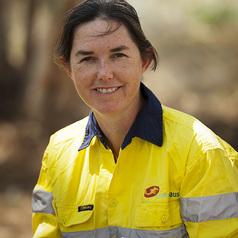
Fiona Hook
Adjunct associate, The University of Western Australia
Fiona Hook, the owner, managing director, and executive archaeologist of Archae-aus, boasts over three decades of expertise in cultural heritage management and community consultation across Australia, with a special focus on Western Australia and parts of Asia. Throughout her career, she has spearheaded countless successful projects, ensuring seamless delivery on time and within budget while upholding the highest standards of cultural heritage documentation and management.
Her commitment to excellence extends beyond project management; Fiona is deeply involved in the professional archaeological community. As a full member of the Australian Association of Consulting Archaeologists, she has also served as President of both the Australian Archaeological Association and the Australian Association of Consulting Archaeologists. Her dedication to advancing the field is evident in her frequent presentations at international and Australian conferences, where she shares insights gleaned from her extensive experience.
Currently, Fiona is a Adjunct Lecturer and PhD Candidate at the University of Western Australia's Archaeology Department, further enriching her knowledge and contributing to cutting-edge research in the field. With a passion for preserving cultural heritage and fostering collaboration within the archaeological community, she is committed to driving positive change and shaping the future of cultural heritage management.
Less

Fiona Kennedy
PhD Researcher, School of Medicine, Trinity College Dublin
Fiona Kennedy is a physiotherapist and PhD student with the School of Medicine in Trinity College, the University of Dublin, Ireland.With over 25 years of clinical experience, Fiona has a special interest in frailty and ageing, and inclusion health.
She completed her MSc in Neurology and Gerontology in the Royal College of Surgeons, Dublin, Ireland in 2020 and her MSc research focussed on managing frailty in community-dwelling older adults.
Her PhD focuses on the role of exercise in building strength and resiliance to target physical functioning deficits and frailty in socially excluded populations.
Less
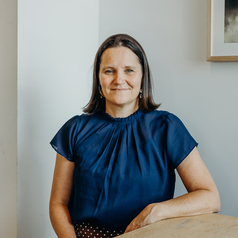
Fiona Langridge
Senior Research Fellow in Pacific and Global Child Health, University of Auckland, Waipapa Taumata Rau
Fiona Langridge is a Pacific raised Palangi, child health researcher, clinician and advocate. She has experience in global health for children, specifically the Pacific region. She is currently a Cure Kids senior research fellow with the University of Auckland working on projects related to respiratory health and climate change and rheumatic heart disease in Fiji, and child protection in Tonga. She has worked as a paediatric physiotherapist and developmental coordinator with children and communities in Aotearoa, New Zealand and the United Kingdom. Her research has included: the Fiji Oxygen Project, Climate change and mental wellbeing - impacts on Pacific peoples, Child Protection in Tonga, Pacific infantcare practises, and the Growing Up in New Zealand study. Her areas of expertise are: global child health, Pacific child health, respiratory health, climate change, community engagement, and child protection.
Less
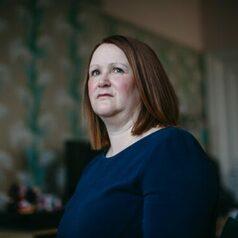
Fiona Leverick
Professor of Criminal Law and Criminal Justice, University of Glasgow
Fiona Leverick is Professor of Criminal Law and Criminal Justice at the University of Glasgow. She was a member of the team that undertook the Scottish Jury Research, a major study of mock jury decision making funded by the Scottish Government which has informed the debate over the abolition of the not proven verdict. Fiona Leverick has authored three books on criminal law: the fourth edition of Gerald Gordon’s The Criminal Law of Scotland (with James Chalmers, SULI/W. Green, 2023); Killing in Self-Defence (Oxford University Press, 2006); and Criminal Defences and Pleas in Bar of Trial (with James Chalmers, SULI/W. Green, 2006). She has published over 30 papers in peer reviewed journals and has provided policy advice on the prosecution of sexual offences in the UK and elsewhere.
Less

Fiona Longmuir
Lecturer - Educational Leadership, Monash University
Dr Fiona Longmuir is a Lecturer in Educational Leadership in the School of Education, Culture and Society at Monash University. She has a background of 15 years as a teacher and leader at schools in disadvantaged, urban communities in Victoria, Australia. Fiona’s research interests are in intersections of educational leadership, educational change, and student empowerment. Her recent research studies have investigated teachers' working conditions, student engagement in alternative education settings and leading and learning through crisis and disruption.
Less
Fiona MacDonald2
Principal Research Fellow, Institute for Sustainable Industries and Liveable Cities, Victoria University
Dr Fiona MacDonald is Senior Research Fellow in the Institute for Sustainable Industries and Liveable Cities (ISILC), Victoria University. Fiona's research sits within the sociology of education discipline. Her research interests include middle childhood, social justice, social inclusion, inclusive education, gender and space and place. She has a particular interest in social and cultural influences in the lives of children and young people.
Her research is positioned at the intersection of education, belonging and connectedness for children and young people. Fiona’s research in schools and learning environments, both mainstream and alternative, investigates the significance of these spaces in the everyday lives of children and young people and how they negotiate these spaces.
Fiona is currently investigating; educational transitions for young people from custody, schools preparedness and response to bullying and cyber bullying, and building resilience in diverse communities in the face of natural disasters
Less

Fiona Murphy
Assistant Professor in Refugee and Intercultural Studies, Dublin City University
Less
Fiona Robards
Lecturer, Faculty of Medicine and Health, University of Sydney
Dr Fiona Robards has experience as a lecturer, researcher, policy analyst, health service manager and psychologist. She is a Senior Research Fellow in Child and Adolescent Health and supervises Higher Degree by Research students (PhD) and MD research students. Fiona coordinates three public health units of study in the Masters of Sexual and Reproductive Health, Faculty of Medicine and Health. Fiona is also an Associate Editor for the Health Promotion Journal of Australia.
Fiona has a strong interest in public health advocacy to achieve equity, health and wellbeing for marginalised young people. Her PhD explored ‘How marginalised young people navigate the Australian healthcare system’. As part of her national public health advocacy, Fiona is and a member of the Australian Child Rights Taskforce Leadership Group and Policy Working Group and the Public Health Association of Australia’s Child and Youth Health Special Interest Group Committee. In her international advocacy, Fiona is Co-chair of the Women, Children and Youth Health Working Group, World Federation of Public Health Associations.
Less
Fiona Sing
Research Fellow, Population Health, University of Auckland, Waipapa Taumata Rau
Less
Fiona Spooner
Senior Data Analyst, Our World in Data, Oxford Martin School, University of Oxford
Fiona is a Senior Data Analyst at Our World in Data. She was previously a Turing Postdoctoral Fellow at the University of Exeter working on tracking the Sustainable Development Goals and modelling the Covid-19 pandemic. She has a PhD in Ecology and Environment from UCL (London, UK) and an MSc in Conservation Science from Imperial College (London, UK).
Less
Fiona Walsh
Ethnoecologist, The University of Western Australia
Fiona works for Aboriginal people and organisations in cross-cultural contexts. After a science degree in Zoology she learnt from Martu about bush foods, ngurra (Country) and 1980s outstation life. She contributed to the successful Martu Native Title Determination. Her PhD is in Botany and Anthropology. Mparntwe / Alice Springs is her home of 30 years. She was a CSIRO Scientist and, following the closure of CSIRO Alice Springs laboratory, now works an independent consultant Ethnoecologist. She has co-written many chapters, books, reports. She also works as a photographer and film-maker with media effective in cross-cultural and intergenerational communication. The desert people and termite research has received two minor funding awards. It is largely unpaid but motivated by respect for Aboriginal people and their knowledge and desert landscapes.
Less
Fiona Wright
Judy Harris Writer in Residence, Charles Perkins Centre, University of Sydney
Less
Fionagh Thomson
Senior Research Fellow (visual ethnographer), Durham University
I am a visual ethnographer, ecologist, human geographer and ethicist - based in the Centre for Extragalactic Astronomy (Durham Uni). I am interested in how knowledge and ideas are created within our everyday world – focusing on what we do rather than what we think we do. I work with video, camera, paper and conversation.
Current research interests: Responsible & Sustainable space science/satellite design (dark skies, dark matter, the darker side of satellites); viable over mythical sources of renewable energy; extension of human senses through technologies, and the mythical rise of robots/AI over humans.
I am a nomadic researcher travelling across disciplines. my current home is astrophysics and space science. My background includes: visual anthropology, human geography, environmental ethics (land rights) and educational philosophy. Fieldwork locations include the rainforests of Papua New Guinea, the islands of the Scottish Hebrides, the consulting spaces of NHS hospitals/patients' homes and mountaintop astronomical observatories in the Spanish Canary Islands.
Previous projects include the conflict between sufficiency and safety in blood manufacturing, the relationship between creative arts and wellbeing in later life, the role of IT within health professional-patient interactions during the consultation, and the social and ethical implications of a European Nanomedicine (lab-on-a-chip) project.
Less
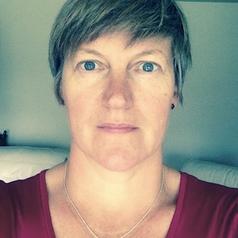
Fionagh Thomson1
Senior Research Fellow (visual ethnographer), Durham University
I am a visual ethnographer, ecologist, human geographer and ethicist - based in the Centre for Extragalactic Astronomy (Durham Uni). I am interested in how knowledge and ideas are created within our everyday world – focusing on what we do rather than what we think we do. I work with video, camera, paper and conversation.
Current research interests: Responsible & Sustainable space science/satellite design (dark skies, dark matter, the darker side of satellites); viable over mythical sources of renewable energy; extension of human senses through technologies, and the mythical rise of robots/AI over humans.
I am a nomadic researcher travelling across disciplines. my current home is astrophysics and space science. My background includes: visual anthropology, human geography, environmental ethics (land rights) and educational philosophy. Fieldwork locations include the rainforests of Papua New Guinea, the islands of the Scottish Hebrides, the consulting spaces of NHS hospitals/patients' homes and mountaintop astronomical observatories in the Spanish Canary Islands.
Previous projects include the conflict between sufficiency and safety in blood manufacturing, the relationship between creative arts and wellbeing in later life, the role of IT within health professional-patient interactions during the consultation, and the social and ethical implications of a European Nanomedicine (lab-on-a-chip) project.
Less
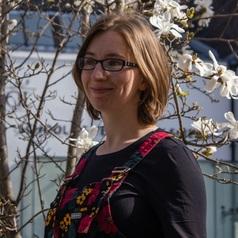
Fionnuala McCully
PhD candidate in behavioural ecology, University of Liverpool
Fionnuala is a behavioural ecologist specialising in the behaviour of birds. She completed her MSc Animal Behaviour at the University of Exeter, where she studied the social networks of flamingos. Currently, she Is working towards her PhD at the University of Liverpool. Her current research focuses on individual differences in behaviour (animal personality), parental care and social interactions in seabirds. Outside of research, she has several years of higher education teaching experience and enjoys creating science communication content.
Less
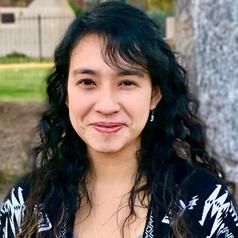
Fiorella Vera-Adrianzén
Political science lecturer, Santa Clara University
Fiorella Vera-Adrianzén attended law school at the Universidad Católica of Peru and received her Ph.D. in Political Science from the University of New Mexico. She teaches courses in Comparative Politics, International Relations, and Research Methods at Santa Clara University. She specializes in transitional justice, participatory politics, and social mobilization in Latin America. Her research examines how victim participation affects the subnational implementation and effectiveness of reparations within indigenous communities in Peru. She is also engaged in various participatory research efforts working with communities affected by conflict in Colombia.
Less
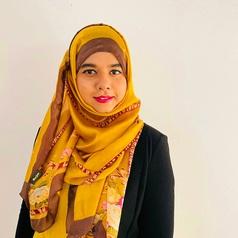
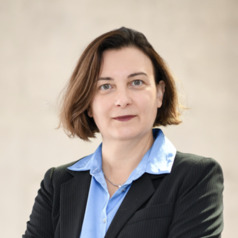
Flavia Cardoso
Assistant Professor, Universidad del Desarrollo
I am currently Assistant Professor at Universidad del Desarrollo in Santiago, Chile. I hold a PhD from UNIVERSITÉ PARIS I- PANTHEON SORBONNE / ESCP BUSINESS SCHOOL. My interests include macro-level factors influencing consumer experiences, particularly in connection with vulnerable consumers, family consumption, sustainability and international border-crossing.
My research agenda envisages a widening of research contexts by focusing on promoting a conversation between theorizations developed in mature markets and the reality of emerging economies and applying marketing knowledge to contribute positively to society. My work has been featured in the Journal of Business Research, Journal of Marketing Management, Consumption, Markets & Culture, Research in Consumer Behavior and Advances in Consumer Research, among other outlets.
Less
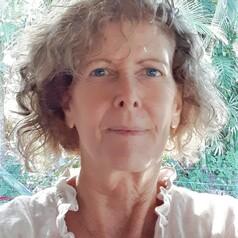
Flavia Santamaria
Koala Biologist, CQUniversity Australia
I am a biologist, with an in-depth understanding of animal biology, zoology and skills in laboratory work. During my PhD in koala ecology, I expanded my expertise to include research based on monitoring wildlife in the natural environment. I radio-tracked koalas, examined their health status, observed their movements and their fodder selection. Since then, I have been interested in the prevalence of disease and other issues causing the decline of many koala populations. Currently, I am a researcher with Koala Research-CQ (Central Queensland) at Central Queensland University. I have designed surveys to assess the number of koalas and evaluate koala habitat.
My current research focuses on the non-invasive detection and assessment of stress and disease in koalas with a particular focus, but not exclusively. on populations of Central Queensland. Aside from my research, I have been involved with Landcare groups in improving the habitat of koalas and in the rescue of koalas after wildfires.
Less

Flavia Senkubuge
Deputy Dean: Health Stakeholder Relations in the Faculty of Health Sciences, University of Pretoria
Professor Flavia Senkubuge is a Specialist in Public Health Medicine with a PhD in Public Health
and an MBA from the Edinburgh Business School. She is the current chair of the WHO/Afro
region African Advisory Council on Research and Development (AACHRD). Her interest areas are
in health systems strengthening, health policy, global health and leadership for health. She is a
Fellow of the Kofi Annan Global Health Leadership Fellowship. In 2022 she was recognised by
Harvard Public Health as one of the 25 standout voices in African Public Health.
Less
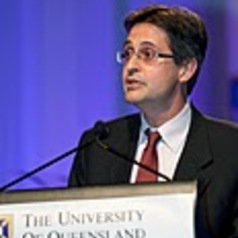
Flavio Menezes
Flavio Menezes is a Professor of Economics at the University of Queensland where he served two terms as Head of the School of Economics. During his tenure, the School experienced considerable growth and change and became one of the top economics department in Australia
Flavio joined the University of Queensland in June 2006 after more than a decade at the Australian National University, where he was, amongst other responsibilities, the Foundation Director of the Australian Centre of Regulatory Economics.
Flavio was also a part-time Vice President with the Regulatory Economics and Public Policy Practice at CRA International in Canberra until May 2006 and a Senior Consultant until May 2007.
Flavio Menezes has published over 50 journal articles on the economics of auctions, competition and regulatory economics, industrial organisation, and market design. He is regarded as Australia’s leading auction theory expert and author of a well-known textbook on auction theory published by Oxford University Press.
Flavio Menezes has presented seminars and delivered lectures in the Americas, Europe and in the Asia Pacific Region. He has lectured to both academic audiences and practitioners. His academic career has taken him to world renowned institutions as a visitor. He is a vice President of the Economic Society of Australia (Queensland Branch), a member of several editorial boards and associate editor of a number of international journals.
Professor Menezes has a rich consulting experience. Overseas consulting includes being the main advisor on the determination of a privatisation model for utilities, providing advice on electricity regulatory reform, and reviewing government procurement practices.
Consulting experiences in Australia include advising the ACCC, IPART, the Victorian Government and the DCC on the application of auction theory to regulatory environments and providing economic advice to various private and public organisations on mergers, competition policy cases and regulatory issues in defence, energy, banking, health, transport and telecommunications.
Less
- Market Data




