


 Oil Prices Rise as US-Iran Tensions Threaten Strait of Hormuz Oil Shipments
  China Factory PMI Seen Returning to Growth in June as AI Export Demand Supports Economy
  Economic pessimism has set in – but there are reasons for Australians to be hopeful
  Asian Currencies Stay Range-Bound as Investors Eye China Data, RBNZ Outlook and U.S.-Iran Ceasefire
  Japan Targets 1%+ Real Economic Growth With ¥370 Trillion Investment Plan
  Oil Prices Drop as Middle East Supply Recovery Eases Market Concerns
  Gold Price Ends Lower for Fourth Week Despite Rebound as Fed Rate Hike Bets Strengthen
  US Dollar Slips After PCE Inflation Data Eases Fed Rate Hike Expectations
  Asian Stocks Slip as US-Iran Ceasefire Hopes Lift Oil, Dollar Strength Persists
  Asian Currencies Trade Mixed as Yen Hovers Near 40-Year Low, Dollar Holds Firm on Fed Outlook
  Wall Street Ends Lower as AI Stocks Drag Markets, Fed Rate Outlook Shifts
  Trump Threatens 100% Tariffs on Countries Imposing Digital Services Taxes on U.S. Tech Firms
  Bank Regulation Rollbacks in the U.S. and UK Could Increase Financial Risks, Study Warns
  South Korea’s KOSPI Plunges as Apple Price Hikes and OpenAI IPO Delay Shake AI Chip Stocks
  Asian Stocks Sink as Apple Price Hikes Spark AI Valuation Fears, South Korea and Japan Lead Selloff
  China Sets 1.25% Overnight Reverse Repo Rate Below Market Expectations
  Iran Attack in Strait of Hormuz Pushes Oil Prices Higher


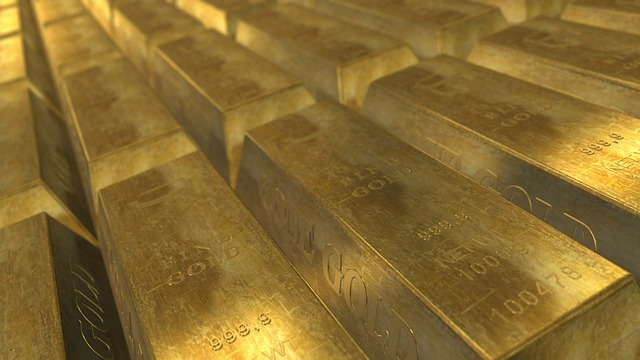
Gold prices declined during Asian trading on Monday as investors weighed renewed geopolitical tensions in the Middle East alongside growing expectations that the U.S. Federal Reserve could raise interest rates later this year. While the United States and Iran reportedly agreed to halt military attacks and continue diplomatic talks, lingering uncertainty surrounding inflation and monetary policy continued to pressure the precious metal.
Spot gold slipped 0.8% to $4,055.50 per ounce by 01:14 GMT, while gold futures fell 0.7% to $4,069.25 per ounce. The decline extended last week's losses, when bullion dropped to its lowest level in nearly eight months as investors shifted focus toward stronger U.S. economic data and the possibility of tighter monetary policy.
Although reports indicated that Washington and Tehran had agreed to stop exchanging strikes and resume negotiations later this week, the fragile nature of the ceasefire kept financial markets cautious. At the same time, easing concerns over energy supply disruptions pushed oil prices back to pre-conflict levels, reducing fears of inflation fueled by higher crude prices.
Despite the temporary improvement in geopolitical sentiment, gold continued to face significant headwinds from a stronger U.S. dollar and elevated Treasury yields. Higher bond yields increase the opportunity cost of holding non-yielding assets such as gold, making the precious metal less attractive compared with interest-bearing investments.
Market expectations for tighter monetary policy also remained a major factor. According to CME FedWatch data, traders are now pricing in more than a 30% probability that the Federal Reserve will implement another interest rate hike before the end of 2026. Recent U.S. inflation figures and hawkish signals from the Fed's June policy meeting have reinforced concerns that policymakers may need to keep borrowing costs higher for longer to contain persistent price pressures.
Other precious metals also traded lower during the Asian session. Spot silver declined 1.3% to $58.4435 per ounce, while spot platinum fell 1.1% to $1,622.34 per ounce, reflecting broad weakness across the metals market as investors adjusted to rising rate expectations.
Looking ahead, traders will closely monitor developments in U.S.-Iran negotiations, upcoming U.S. economic data, Federal Reserve commentary, Treasury yields, and movements in the U.S. dollar. These factors are expected to remain the primary drivers of gold prices and the broader precious metals market in the near term.







