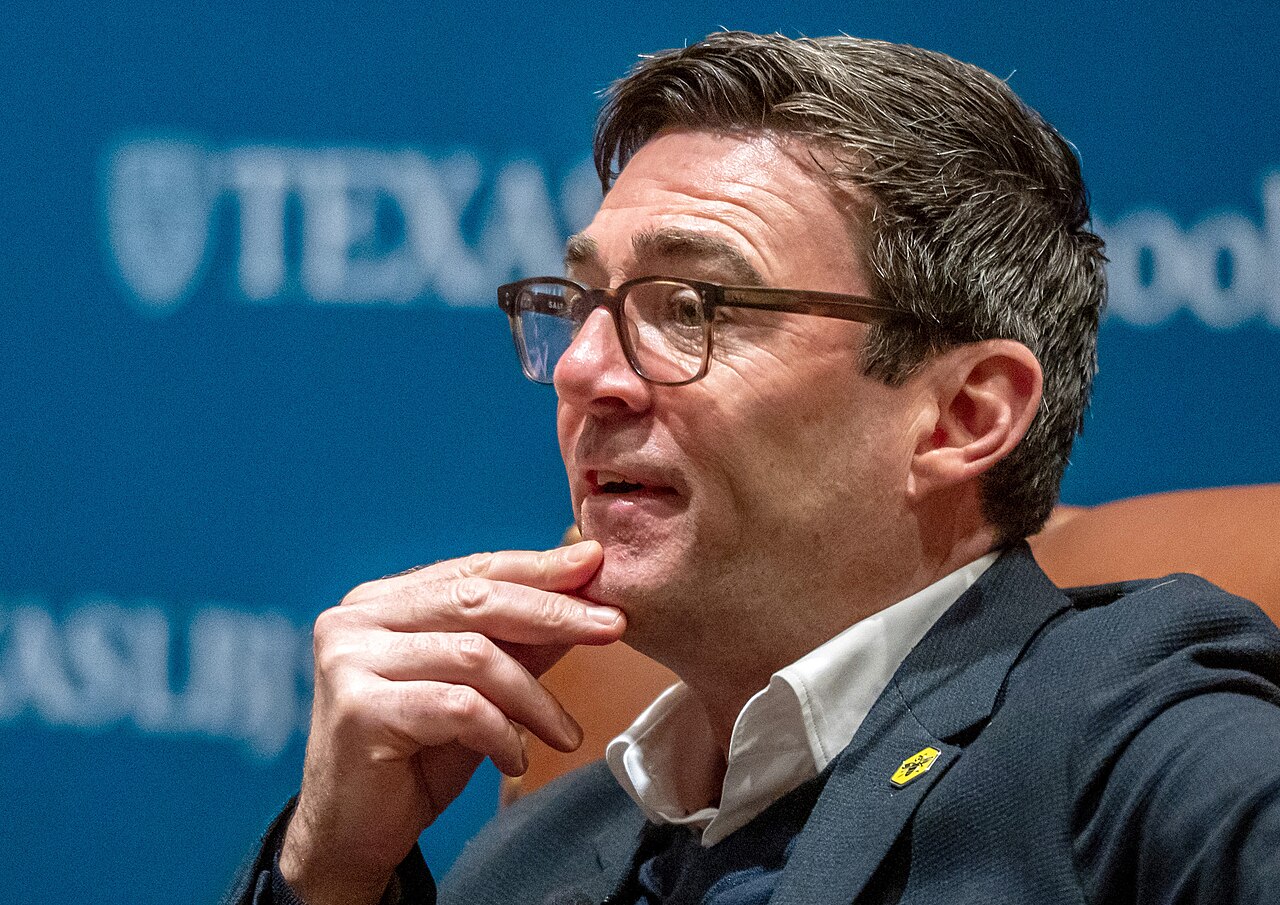
Andy Burnham is set to outline his vision for the United Kingdom on Monday as the Labour politician positions himself to succeed Keir Starmer as the country’s next prime minister. Burnham is expected to focus on shifting political power away from London and giving greater authority to regional and local governments, presenting decentralization as the cornerstone of his leadership agenda.
Burnham returned to Westminster earlier this month after winning a parliamentary seat and is currently the only declared candidate in the Labour leadership contest. Following Keir Starmer’s announcement that he would step down after just two years in office, Burnham could become Britain’s next prime minister within weeks if no significant challenger emerges.
Known for his tenure as Mayor of Greater Manchester and often referred to as the “King of the North,” Burnham will use his speech to argue that Britain needs a new governing model that empowers communities outside the capital. According to his office, his plan is designed to transform not only who governs the country but also how it is governed.
The proposed agenda includes a 10-year strategy to improve living standards by promoting reindustrialization, expanding housing development, investing in infrastructure, and reforming public utilities. Burnham will also pledge to overhaul public procurement policies to ensure government contracts better support British businesses, manufacturing, and employment.
His team says the reforms are intended to help “lift Britain back up to where it should be” while providing the country with the “circuit-breaker” needed to address long-standing economic and regional inequalities.
If Burnham enters Downing Street, he would become Britain’s seventh prime minister in just a decade. Many Labour supporters believe his popularity outside London, combined with his focus on regional investment, could help the party reconnect with voters and counter the growing influence of Nigel Farage’s anti-immigration Reform UK party.
Despite the ambitious proposals, Burnham is expected to face significant fiscal constraints. Britain’s economy continues to grapple with the lingering effects of the war in Ukraine, while the recent energy shock linked to the U.S.-Iran conflict has further pressured public finances.
Burnham has previously suggested Britain should become less dependent on financial markets, though he later clarified that his comments had been taken out of context. He has also moderated earlier positions supporting widespread nationalization and a near-term return to the European Union.
Housing Minister Steve Reed reiterated that a Burnham-led government would continue to follow Labour’s existing fiscal framework established ahead of the 2024 general election. Those commitments include balancing day-to-day government spending with tax revenues and reducing national debt as a proportion of economic output.
Speaking to Sky News, Reed said Burnham remains committed to fiscal discipline, arguing that maintaining the current rules has helped restore economic stability after years of uncertainty. The emphasis on responsible public finances suggests Burnham intends to combine regional investment with budgetary restraint as he seeks to convince voters and financial markets that Labour can deliver both economic growth and long-term stability.