


 OpenAI Annualized Revenue Hits $50 Billion, Below Earlier Estimates
  Apple Supplier Luxshare Sees Limited Impact From US Patent Probe
  Arm Shares Fall Over 3% After Qualcomm Wins License Dispute
  New York Times, AFP Join Coalition to Protect Content From AI
  Amazon in Talks to Acquire AI Startup Decart for $7 Billion
  Moonshot AI Executives Seek Settlement Ahead of Hong Kong IPO
  Apple Cuts iPhone 18 Pro Production Orders Amid Weak Demand
  Meta Launches Muse Wonder AI Models, Shares Rise 3.7%
  Trump Buys Up to $25M in Meta Stock, Invests in SpaceX Debt
  Nvidia’s China AI Chip Market Share Falls to 34% as Huawei Gains Ground
  Nvidia Invests in Four French AI Companies to Expand European Presence
  Samsung, SK Hynix Shares Plunge as China Chip Competition Grows
  OpenAI Revenue Hits $50 Billion, Below Earlier $70 Billion Estimate
  TSMC Profit Set to Surge 65% as AI Chip Demand Drives Record Earnings
  Arm Breaches Qualcomm License Deal, Jury Awards $2
  Robinhood Chain Eyes Priority Gas Auctions for Faster Trades


 Add as a preferred source on Google
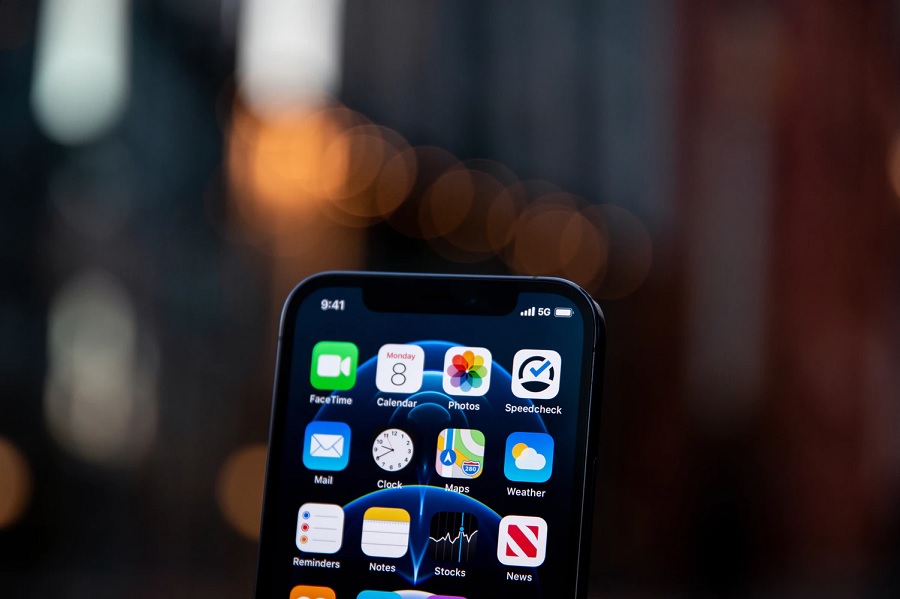
Apple has finally released its widely discussed privacy feature in iOS 14.5 that requires developers to seek users’ permission before they can be tracked across apps and websites. It turns out that there are certain instances where the system-wide setting for app tracking is disabled by default.
Why the ‘Allow Apps to Request to Track’ toggle can’t be used on some devices
It took around seven months before the App Tracking Transparency feature officially launched for iOS 14 devices. For the most part, it appears to be working as it should, and users have encountered app prompts inquiring whether they want to be tracked or not across apps and websites.
In the revamped Privacy settings, users can set tracking permissions per app. There is also a toggle in the Tracking menu that serves as a system-wide toggle labeled: “Allow Apps to Request to Track.” Some have found that this option was disabled by default, but others discovered that this section is grayed out and cannot be toggled.
It appears that this is not a bug. In an Apple support page, first spotted by MacRumors, Apple provided three instances where the “Allow Apps to Request to Track” toggle cannot be used. This option will be unusable for devices with child accounts, devices with an Apple ID affiliated to an educational institution, and devices using an Apple ID created in the last three days.
Apple also clarified that, for the three circumstances mentioned, requests for app tracking permission are denied by default. Apps will also be unable to acquire IDFA of devices that matched those descriptions. “If the status of your account or device changes, and you subsequently choose to enable ‘Allow Apps to Ask to Track,’ then the app's next request to track will display the permission prompt to you,” Apple added.
Other significant features deployed via iOS 14.5
The release of iOS 14.5 follows the official launch of the AirTag. Apple’s long-awaited UWB tracker can only be used with devices that run on this software update. Apple has also officially released the feature that allows iPhone users to unlock their devices using their Apple Watches if they are wearing face masks, and using Face ID would unsafe or inconvenient.
Another previously tested feature that officially launched on iOS 14.5 is the introduction of new Apple Maps functions letting drivers report road accidents and hazards, which is similar to the popular app Waze. iPhone 12 users will also be delighted to know that the latest update carries the dual-SIM 5G support.
Featured photo by Frederik Lipfert on Unsplash







