


 US-Iran Tensions Escalate as New Strikes Threaten Ceasefire and Impact Global Oil Markets
  Jerome Powell Warns Against Politicizing the Federal Reserve, Defends Democratic Institutions
  US Stock Futures Rise as Hopes Grow for U.S.-Iran Peace Deal
  US Pushes Israel-Lebanon De-Escalation Plan as Hezbollah Tensions Escalate in Southern Lebanon
  Indian Government Bonds Seen Opening Steady Ahead of RBI Policy Decision
  US to Accelerate Troop Withdrawal from Europe, NATO Allies to Review Plans Next Month
  India Manufacturing Growth Accelerates in May Despite Rising Costs
  Asian Currencies Hold Steady as U.S. Dollar Gains on Inflation and Middle East Concerns
  Oil Prices Rebound Above $92 as Israel-Hezbollah Conflict Fuels Middle East Supply Concerns
  Gold Prices Hold Near Record Levels as Inflation Concerns Offset Middle East Ceasefire Hopes
  Trump Signs Executive Order to Expand Access to Federal Lands in the U.S.
  German Retail Sales Decline Less Than Expected in April 2026
  Kentucky School District Secures $27 Million in Social Media Addiction Lawsuit Settlements
  US Imposes Fresh Iran Oil Sanctions Despite Progress on Ceasefire Talks
  US Tightens AI Chip Export Rules, Impacting Nvidia and AMD Sales to Chinese Firms
  Poland Considers Revoking Zelensky’s Top Honor Over Controversial UPA Army Unit Recognition
  U.S. Launches Strikes on Iranian Drone and Radar Facilities Following MQ-1 Drone Incident


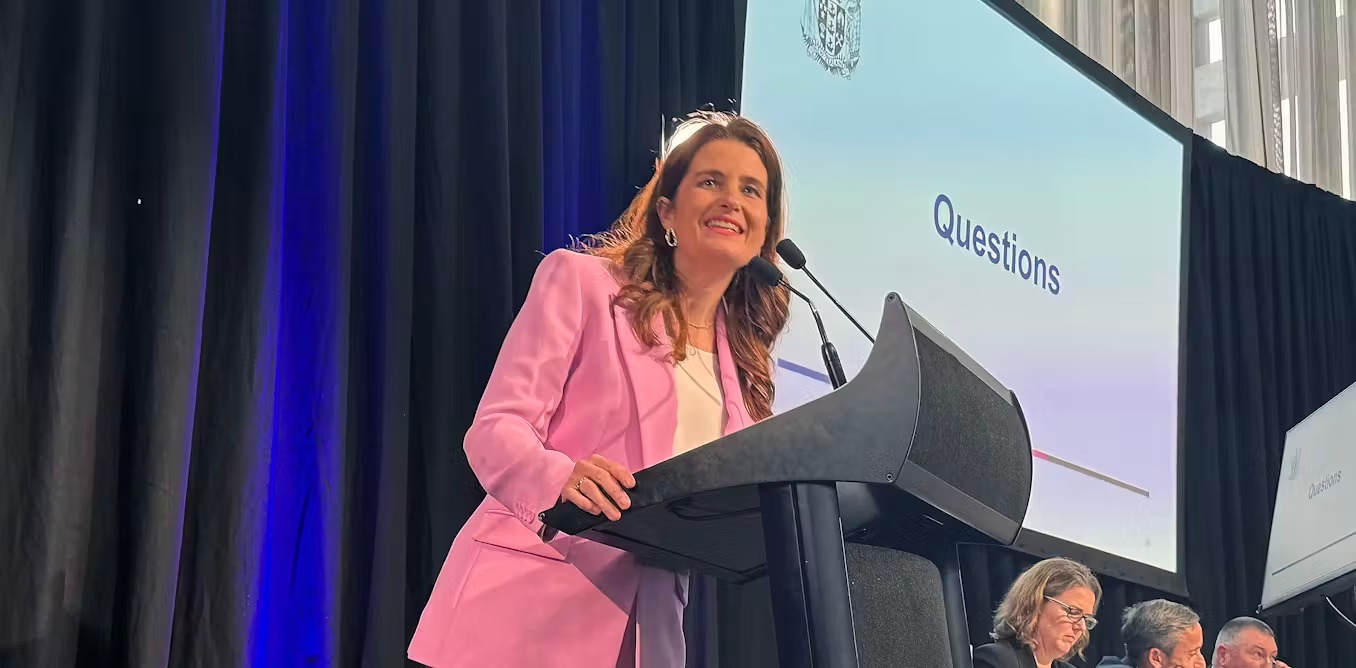
New Zealand’s government is preparing deep public sector spending cuts as it aims to strengthen its economic reputation before the country’s closely contested November 2026 election. Finance Minister Nicola Willis announced on Tuesday that the government plans to reduce thousands of public service jobs while avoiding pre-election cash handouts in the upcoming national budget.
Speaking at a Business North Harbour event, Willis said the coalition government intends to lower the number of core public service employees to no more than 55,000 full-time workers by July 2029. The move would cut around 8,700 positions compared to figures recorded in December last year.
According to Willis, the goal is to return the size of New Zealand’s public service workforce to roughly 1% of the national population, which she described as a historic benchmark. Essential frontline sectors including healthcare, education, and law enforcement will not be affected. Teachers, nurses, doctors, police officers, and employees of Crown entities are excluded from the planned reductions.
The New Zealand budget, scheduled for release on May 28, will also include operating budget cuts for most government agencies. Departments are expected to reduce spending by 2% next year, followed by additional 5% cuts over the following two years. The government expects these measures to save approximately NZ$2.4 billion during the forecast period.
Willis defended the fiscal tightening by pointing to rising public debt, global economic uncertainty, and annual debt servicing costs estimated at NZ$9 billion. She stressed that the government would avoid “free” spending promises or election giveaways, arguing that New Zealand cannot afford another period of excessive public spending.
The government recently confirmed that operating spending for the 2026-27 fiscal year would be set at NZ$2.1 billion, lower than previous forecasts, while capital spending will increase to a net NZ$5.7 billion.







